
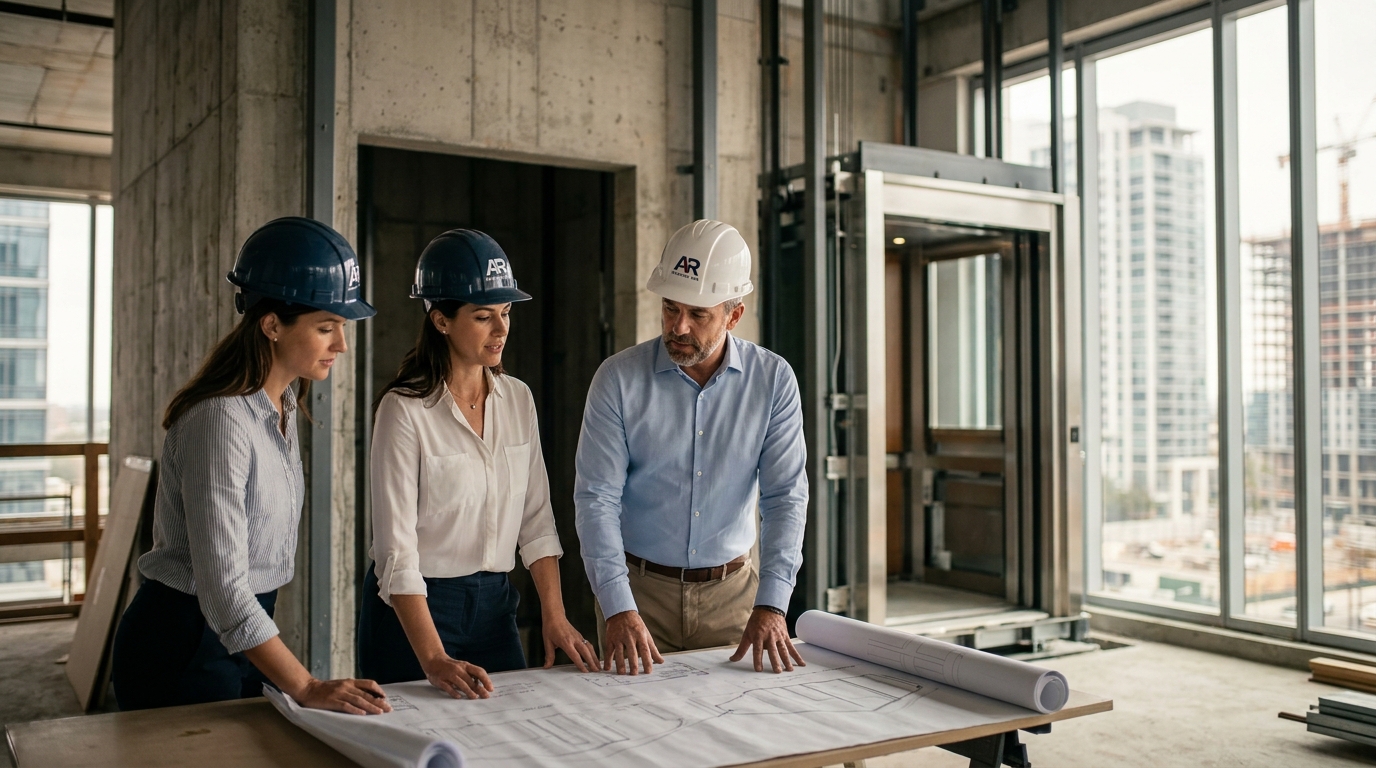
The commercial real estate sector is undergoing a massive shift toward vertical mobility solutions that prioritize both efficiency and sustainability. According to recent industry projections, the global elevator and escalator market is expected to reach significant valuation milestones by 2026, driven by urbanization and the need for modern infrastructure. For building owners and developers, understanding the financial implications of new elevator supply and installation is critical to project viability. This guide breaks down the exact cost drivers, regulatory requirements, and strategic advantages of investing in modern vertical transportation systems. (About https arelevatorusa com)
Cost Breakdown by Elevator Type
Installing a new elevator is not a one-size-fits-all proposition. The base cost varies significantly depending on the technology, capacity, and architectural integration required. AR Elevator USA specializes in diverse systems, ensuring that every building receives a tailored solution that balances budget with performance. (Annual Inspection Deficiency Repair)
Hydraulic Elevators
Hydraulic systems are often the most cost-effective option for low-rise commercial buildings, typically those under six stories. These systems use a piston and fluid mechanism to lift the cab. While the initial installation cost is lower, they may incur higher long-term energy costs compared to traction systems. They are ideal for buildings with limited machine room space.Traction Elevators
Traction elevators are the standard for mid-to-high-rise commercial structures. They use steel ropes and counterweights to move the cab efficiently. The installation cost is higher due to the complexity of the machinery and the need for a dedicated machine room or machine-room-less (MRL) configuration. However, they offer superior speed and energy efficiency.Machine-Room-Less (MRL) Elevators
MRL elevators represent the modern standard for commercial installations. By placing the machinery inside the hoistway, these systems save valuable square footage in the building. The installation cost is competitive with traditional traction elevators but offers significant architectural flexibility and energy savings.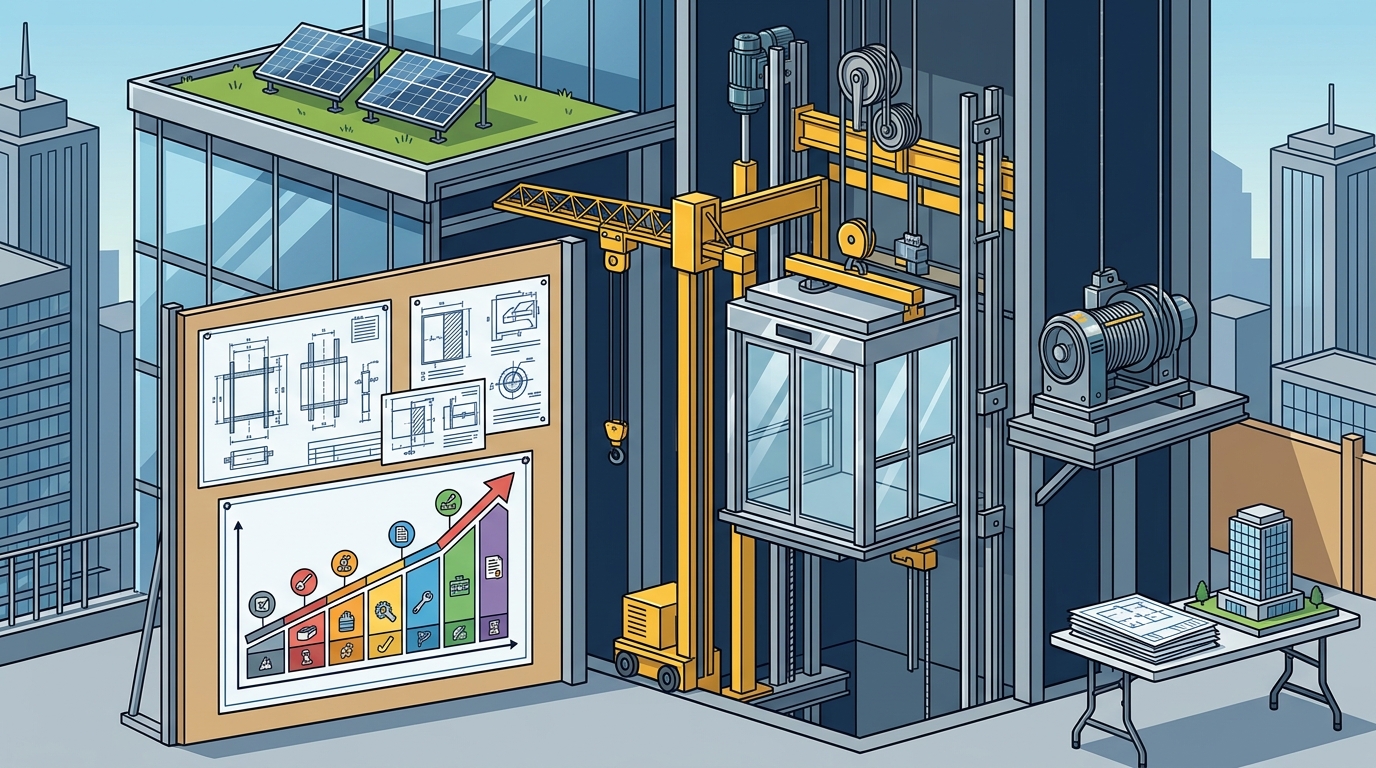
Key Factors Influencing Installation Costs
Several dynamic variables impact the final price tag of a commercial elevator project. Understanding these elements allows for more accurate budgeting and prevents unexpected overruns during the construction phase.
Building Height and Stops
The number of floors and the distance the elevator must travel directly correlate with material costs. Longer shafts require more robust structural support, heavier cables, and more powerful motors. Each additional stop adds to the complexity of the control system and the installation labor.Customization and Finishes
Commercial elevators are often viewed as a statement of brand identity. Custom cab interiors, specialized lighting, and unique door configurations can significantly increase costs. Standard finishes are more affordable, but high-end materials like glass, stainless steel, or wood paneling require specialized fabrication and installation.Site Preparation and Structural Modifications
If the building requires new shaft construction or significant structural reinforcement, these costs are separate from the elevator unit itself. Existing buildings may need retrofitting to accommodate new hoistways, which can involve demolition and reconstruction of interior walls.Regulatory Compliance and Safety Standards
Navigating the regulatory landscape is a critical component of any commercial elevator installation. In Nevada and the broader Western region, strict adherence to safety codes is non-negotiable. AR Elevator USA ensures that every project meets or exceeds these rigorous standards.
ASME A17.1 Standards
The American Society of Mechanical Engineers (ASME) sets the national safety code for elevators and escalators. Compliance with ASME A17.1 is mandatory for all new installations. This includes specific requirements for emergency communication, braking systems, and door safety mechanisms. Failure to comply can result in severe legal penalties and operational shutdowns.Nevada State Regulations
Nevada has specific state-level regulations that govern elevator safety and inspection. These include requirements for annual inspections, deficiency repairs, and code compliance consultancy. AR Elevator USA provides professional compliance consultancy solutions to ensure your building remains compliant with all local and state laws.Annual Inspection and Deficiency Repair
Regular inspections are required to maintain operational licenses. If deficiencies are found, they must be repaired promptly to avoid work permit expiration. AR Elevator USA offers comprehensive annual inspection deficiency repair services to keep your systems running safely and legally.The Role of IoT in Modern Elevators
Modern commercial elevators are no longer just mechanical devices; they are intelligent systems connected to the broader building ecosystem. The integration of Internet of Things (IoT) technology is transforming how elevators are maintained and operated.
Predictive Maintenance
IoT-enabled elevators use sensors to monitor performance in real-time. This data allows for predictive maintenance, where potential issues are identified and resolved before they cause downtime. This proactive approach reduces emergency repair costs and extends the lifespan of the equipment.Real-Time Monitoring and Control
Building managers can monitor elevator status, usage patterns, and energy consumption from a centralized dashboard. This visibility enables better resource allocation and operational efficiency. AR Elevator USA’s Giga Lift Smart IoT Elevator Services provide cutting-edge connectivity and monitoring capabilities.Enhanced Rider Experience
Smart elevators can optimize traffic flow, reducing wait times for passengers. Features like destination dispatch systems direct riders to the appropriate car, improving overall building efficiency and user satisfaction.Return on Investment and Energy Efficiency
While the upfront cost of a commercial elevator installation is substantial, the long-term return on investment (ROI) can be significant. Energy efficiency, increased property value, and reduced maintenance costs all contribute to the financial benefits.
Energy-Saving Technologies
Modern elevators incorporate regenerative drives that convert braking energy back into the building’s power grid. This technology can reduce energy consumption by up to 70% compared to older systems. AR Elevator USA specializes in power-efficient designs that align with green building certifications.Property Value Enhancement
A modern, reliable elevator system is a key selling point for commercial properties. It enhances accessibility, improves tenant satisfaction, and increases the overall market value of the building. Buildings with outdated or unreliable elevators often struggle to attract high-quality tenants.Reduced Downtime Costs
Frequent elevator breakdowns can disrupt business operations and damage a building’s reputation. Investing in high-quality installation and preventive maintenance minimizes downtime, ensuring continuous access for tenants and visitors.Key Takeaways
- Commercial elevator installation costs vary widely based on type, height, and customization, with hydraulic systems being more affordable for low-rise buildings and traction systems preferred for high-rises.
- AR Elevator USA is a family-owned, local company proudly serving Nevada and the Western region, with over 8 years of local experience.
- Compliance with ASME A17.1, A17.2, and A17.3 standards is mandatory for all new installations to ensure public safety.
- IoT integration enables predictive maintenance, reducing emergency repair costs and extending equipment lifespan.
- Energy-efficient elevators can reduce power consumption by up to 70%, contributing to green building certifications and lower operational costs.
- AR Elevator USA offers 24/7 entrapment response with a 1-hour response guarantee, ensuring rapid assistance in emergencies.
- Regular annual inspections and deficiency repairs are required to maintain compliance with Nevada state regulations.
Frequently Asked Questions
How much does it cost to install a new commercial elevator?
The cost of installing a new commercial elevator typically ranges from $50,000 to $150,000 or more, depending on the type of elevator, number of stops, customization, and site preparation requirements. AR Elevator USA provides transparent pricing and detailed quotes for every project.
Do I need to upgrade my elevator for Nevada’s new MCS 2301 requirements?
Yes, absolutely. Nevada has specific regulatory requirements that may necessitate upgrades to existing systems. AR Elevator USA offers professional compliance consultancy solutions to help you navigate these regulations and ensure your building remains compliant.
What is the difference between hydraulic and traction elevators?
Hydraulic elevators use a piston and fluid mechanism, making them suitable for low-rise buildings with lower upfront costs. Traction elevators use steel ropes and counterweights, offering greater speed and efficiency for mid-to-high-rise buildings.
How does IoT technology improve elevator performance?
IoT technology enables real-time monitoring and predictive maintenance, allowing for proactive issue resolution before downtime occurs. This results in increased reliability, reduced repair costs, and enhanced rider experience.
What is AR Elevator USA’s response time for emergencies?
AR Elevator USA offers 24/7 entrapment response with a 1-hour response guarantee, ensuring rapid assistance and peace of mind for building owners and tenants.
Can AR Elevator USA help with elevator modernization?
Yes, AR Elevator USA specializes in elevator modernization, alteration, and upgrading services. We transform aging elevators into smart, efficient systems using cutting-edge IoT technology and energy-saving designs.
What types of elevators does AR Elevator USA service?
AR Elevator USA services all elevator types, including passenger, freight, hydraulic, traction, machine-room-less (MRL), residential, and rack & pinion elevators. We provide comprehensive maintenance, repair, and installation services for every make and model.
Ready to Upgrade Your Building?
Investing in a new commercial elevator is a strategic decision that enhances property value, operational efficiency, and tenant satisfaction. AR Elevator USA is your trusted partner for all elevator needs, from initial design and installation to ongoing maintenance and modernization. Contact us today to schedule a consultation and receive a customized quote for your project.
Contact AR Elevator USA to learn more about our services and how we can help you achieve your vertical transportation goals.