
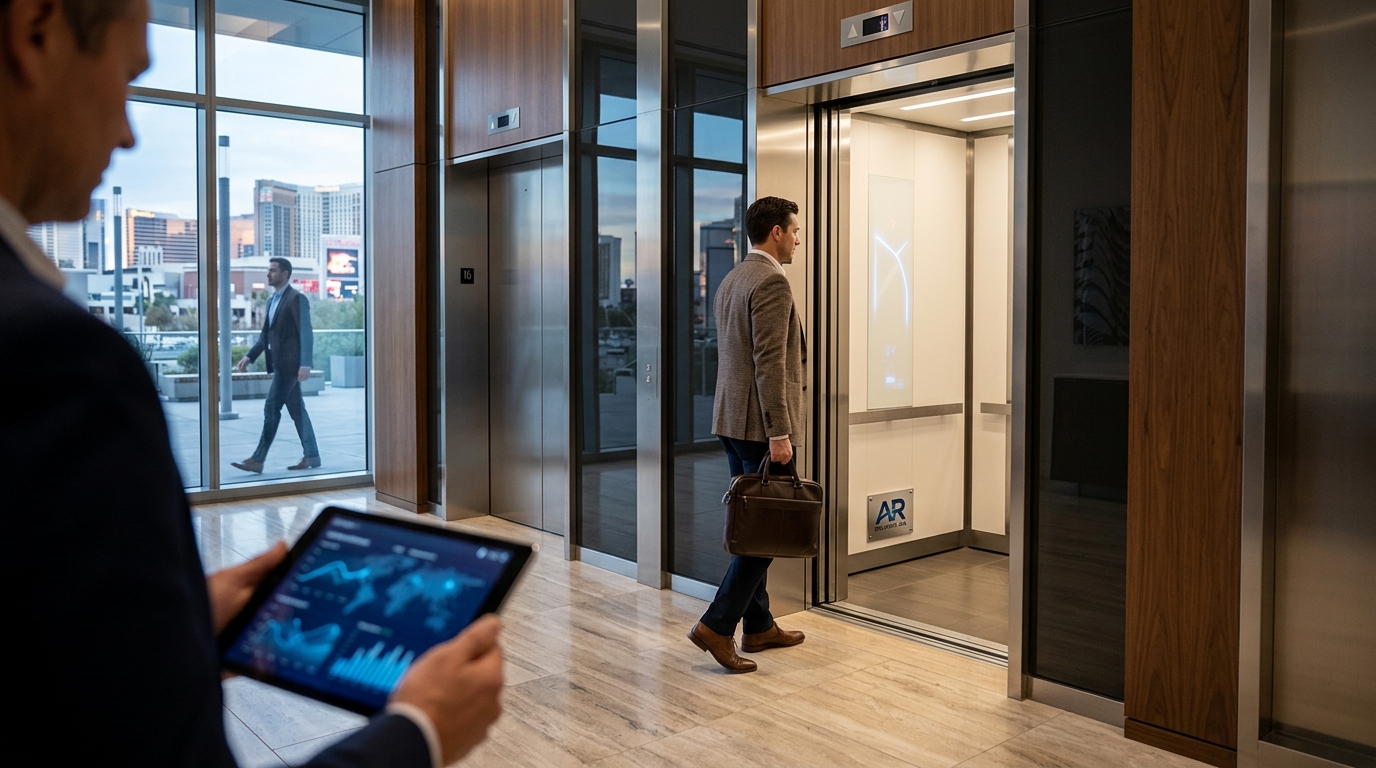
Can I install a smart IoT elevator installation system in my office building?
Integrating smart technology into vertical transportation is no longer a futuristic concept but a standard operational requirement for modern commercial real estate. According to recent industry data, buildings equipped with IoT-enabled elevator systems report a significant reduction in unplanned downtime, directly impacting tenant satisfaction and operational efficiency. This guide explains how AR Elevator USA facilitates the transition from legacy mechanical systems to intelligent, connected networks tailored for Nevada office environments. (Contact https arelevatorusa com)
Understanding IoT Elevator Technology
Internet of Things (IoT) elevator systems utilize a network of sensors and connectivity modules to monitor the health and performance of elevator machinery in real time. This technology transforms traditional elevators from isolated mechanical units into data-driven assets. The core definition of an IoT elevator system is a networked vertical transportation solution that uses wireless communication to transmit operational data to a central monitoring platform. (About https arelevatorusa com)
For office building managers, this means moving away from reactive maintenance, where repairs happen only after a breakdown, to predictive maintenance. Predictive maintenance allows facility teams to address minor issues before they escalate into costly failures or safety hazards. The system continuously analyzes variables such as motor temperature, door cycle counts, and vibration patterns to identify anomalies. (Elevator Annual Inspection amp)
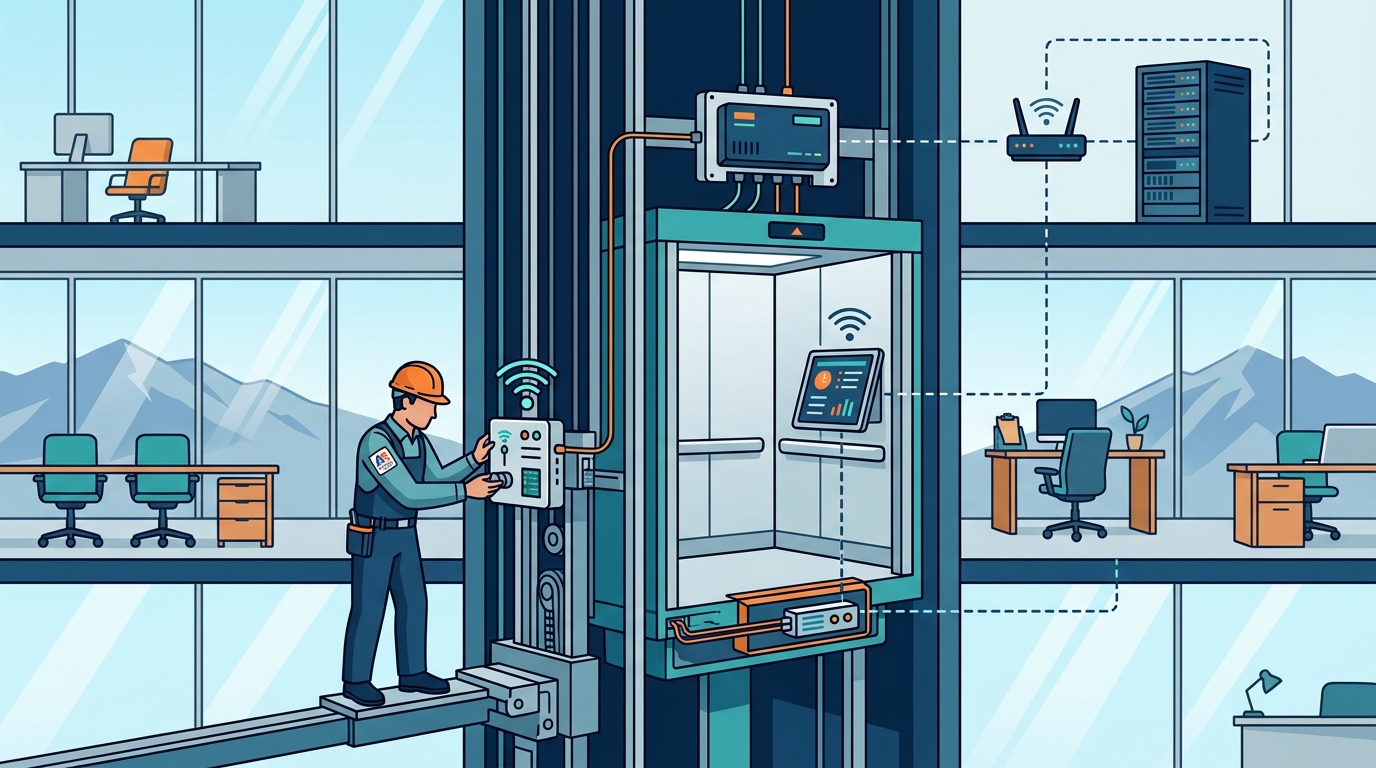
Implementing this technology requires specialized hardware installation and software integration. It is not merely a software update but a physical retrofitting of the elevator car, machine room, and hoistway with smart sensors. These sensors communicate via secure protocols to cloud-based dashboards accessible by authorized personnel. This infrastructure ensures that building owners have complete visibility into the status of their vertical transportation assets. (Elevator Code Compliance Services)
Benefits for Office Buildings
Office buildings in high-traffic areas like Las Vegas face unique challenges regarding elevator usage. Peak hour congestion and frequent door cycling accelerate wear and tear. Smart IoT systems address these challenges through several key mechanisms. (Annual Inspection Deficiency Repair)
Reduced Downtime and Increased Uptime
The primary benefit of IoT integration is the dramatic reduction in elevator downtime. By predicting failures, maintenance can be scheduled during off-peak hours, ensuring that elevators remain operational during critical business hours. Data shows that predictive maintenance can reduce unplanned downtime by up to 50 percent compared to traditional scheduled maintenance. This reliability is crucial for maintaining tenant confidence and preventing workflow disruptions.
Enhanced Safety and Compliance
Safety is paramount in commercial real estate. IoT systems provide continuous monitoring of safety components, such as brakes, sensors, and emergency communication devices. If a safety parameter deviates from the norm, the system alerts technicians immediately. This proactive approach ensures that elevators remain compliant with strict safety regulations. For instance, adherence to ASME A17.1 standards is facilitated by real-time data logging, which provides an audit trail of system performance and safety checks.
Energy Efficiency and Cost Savings
Smart elevators optimize energy consumption by adjusting operations based on real-time usage patterns. Features such as regenerative drives and smart standby modes reduce electricity usage. According to energy efficiency reports, modernized elevator systems can reduce energy consumption by 30 to 40 percent. This not only lowers utility bills but also contributes to green building certifications, which are increasingly important for office leasing.
The Installation Process
Installing a smart IoT elevator system is a complex engineering project that requires precision and expertise. The process involves several distinct phases, from initial assessment to final commissioning.
Phase 1: Site Assessment and Audit
The first step is a comprehensive audit of the existing elevator infrastructure. Technicians evaluate the age, model, and condition of the current machinery. They determine which components can be retrofitted with IoT sensors and which require replacement. This assessment ensures that the smart system is compatible with the existing hardware. It also identifies any immediate safety issues that must be addressed before installation.
Phase 2: Hardware Installation
During this phase, certified technicians install the necessary hardware. This includes mounting sensors on motors, doors, and control panels. Wiring is routed securely to connect these sensors to a central gateway device. The gateway acts as the bridge between the elevator hardware and the cloud-based monitoring platform. All installations are performed in accordance with local electrical codes and safety standards.
Phase 3: Software Configuration and Integration
Once the hardware is in place, the software is configured to match the building's specific needs. This involves setting up the monitoring dashboard, defining alert thresholds, and integrating the system with the building's existing management software. The system is calibrated to recognize normal operating parameters for that specific elevator model. This customization ensures accurate data interpretation and effective predictive analytics.
Phase 4: Testing and Commissioning
The final phase involves rigorous testing to ensure the system functions correctly. Technicians simulate various scenarios to verify that alerts are triggered appropriately and that data is transmitted accurately. The system is then handed over to the building management team, along with comprehensive training on how to use the monitoring platform. This ensures that the building staff can effectively utilize the new technology.
The Giga Lift Smart System
AR Elevator USA offers the Giga Lift Smart IoT Elevator Services, a proprietary solution designed for modern office buildings. This system integrates intelligent elevator solutions with advanced IoT connectivity to provide real-time monitoring and predictive maintenance capabilities.
The Giga Lift system is built on a foundation of smart building technology. It allows for seamless integration with other building management systems, creating a unified ecosystem for facility operations. The system provides detailed insights into elevator performance, including energy usage, ride quality, and component health.
One of the key features of the Giga Lift system is its ability to facilitate remote diagnostics. Technicians can diagnose issues without visiting the site, reducing response times and service costs. This capability is particularly valuable for office buildings with multiple elevator banks, as it allows for efficient management of maintenance resources. The system also supports over-the-air updates, ensuring that the software remains current with the latest security patches and feature enhancements.
Compliance and Safety Standards
Installing a smart elevator system must adhere to strict regulatory frameworks. In Nevada, elevator installations and modifications are governed by specific state regulations and national codes. Compliance with these standards is not optional; it is a legal requirement for operating commercial elevators.
AR Elevator USA provides professional compliance consultancy solutions for Nevada state elevator regulations. Our team ensures that all IoT installations meet or exceed ASME A17.1, A17.2, and A17.3 standards. These codes outline the safety requirements for the construction, installation, and maintenance of elevators and escalators.
Furthermore, the installation process includes thorough documentation and reporting. This documentation serves as proof of compliance and is essential for annual inspections. The smart system itself aids in compliance by maintaining a digital log of all maintenance activities and safety checks. This digital record simplifies the inspection process and provides a clear history of the elevator's operational status.
Key Takeaways
- IoT elevator systems use sensors and connectivity to enable predictive maintenance, reducing downtime by up to 50 percent.
- AR Elevator USA specializes in the Giga Lift Smart IoT system, offering real-time monitoring and remote diagnostics for office buildings.
- Installation involves a four-phase process: site assessment, hardware installation, software configuration, and testing.
- Smart elevators can reduce energy consumption by 30 to 40 percent, contributing to green building goals.
- All installations must comply with ASME A17.1, A17.2, and A17.3 standards and Nevada state regulations.
- Predictive maintenance allows for repairs during off-peak hours, minimizing disruption to office tenants.
- AR Elevator USA provides 24/7 entrapment response and a 1-hour response guarantee for emergency situations.
Frequently Asked Questions
Can I retrofit an existing elevator with IoT technology?
Yes, most existing elevators can be retrofitted with IoT sensors and connectivity modules. The feasibility depends on the age and condition of the current machinery. AR Elevator USA conducts a thorough site assessment to determine the best approach for your specific elevator.
How does IoT improve elevator safety?
IoT systems monitor safety components in real time, detecting anomalies before they lead to failures. This proactive monitoring ensures that safety issues are addressed immediately, reducing the risk of accidents and ensuring compliance with safety codes.
What is the Giga Lift Smart System?
The Giga Lift Smart System is AR Elevator USA's proprietary IoT solution. It integrates intelligent elevator controls with cloud-based monitoring to provide predictive maintenance, energy efficiency, and real-time performance data.
Is the installation process disruptive to office operations?
The installation is planned to minimize disruption. Work is typically scheduled during off-peak hours, and the process is phased to keep at least one elevator operational at all times. AR Elevator USA coordinates closely with building management to ensure minimal impact on tenants.
How often do IoT sensors need to be calibrated?
IoT sensors are designed for long-term stability and require minimal calibration. However, regular maintenance checks are recommended to ensure accuracy. These checks are often integrated into the preventive maintenance schedule.
Does the system comply with Nevada elevator codes?
Yes, all IoT installations by AR Elevator USA comply with Nevada state regulations and ASME standards. We provide full documentation and support for annual inspections and code compliance audits.
What kind of support is available after installation?
AR Elevator USA offers comprehensive support, including 24/7 emergency response, remote diagnostics, and regular system updates. Our team is available to assist with any technical issues or operational questions.
Contact AR Elevator USA
Ready to modernize your office building's vertical transportation? AR Elevator USA is your trusted partner for smart IoT elevator installations in Nevada. We provide expert assessment, precision installation, and ongoing support to ensure your system operates at peak performance. Contact us today to schedule a consultation and discover how our Giga Lift Smart System can transform your building's efficiency and safety.