
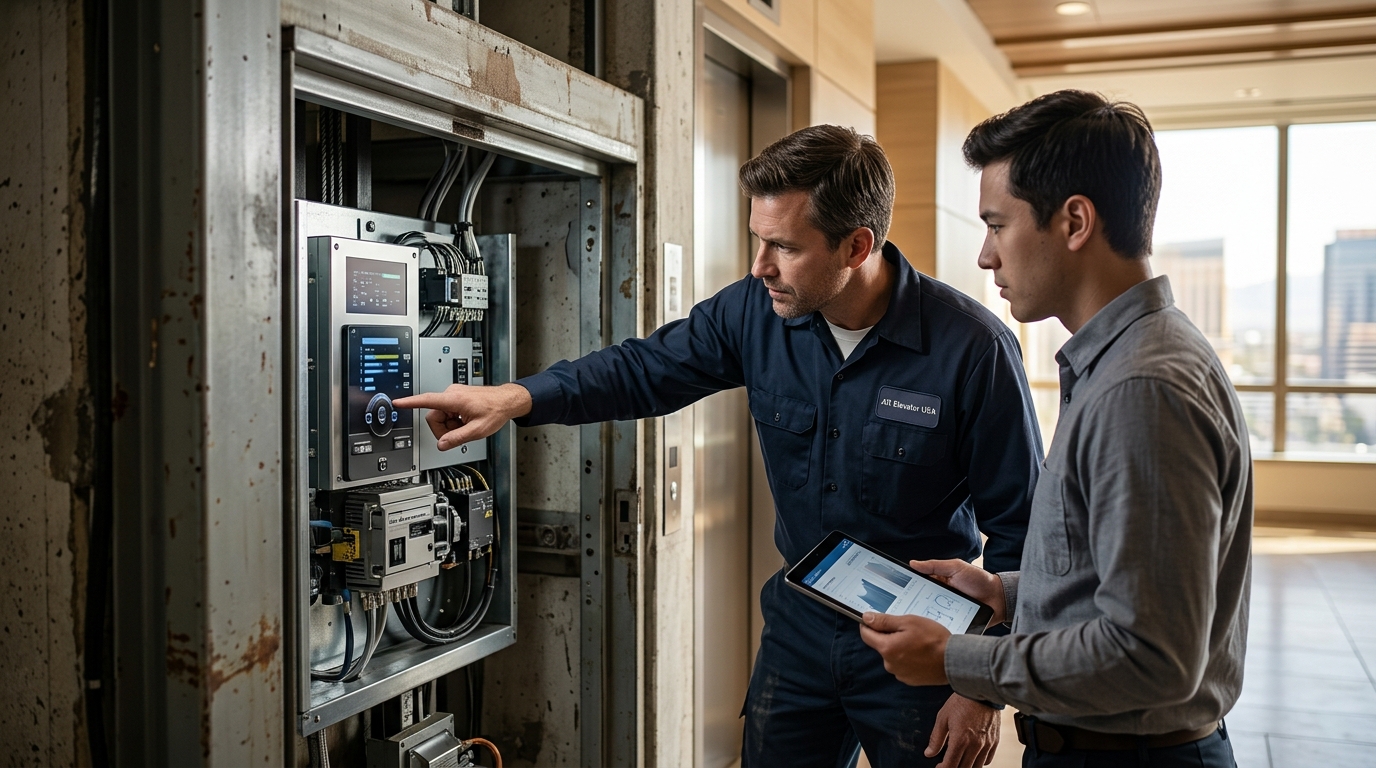
Elevator modernization is the strategic replacement of aging mechanical and electrical components to extend system life, enhance safety, and improve energy efficiency. According to industry data, modernizing an elevator can reduce energy consumption by up to 75 percent compared to original equipment. This process is not merely a repair but a complete transformation of the vertical transportation infrastructure. Building owners in Nevada and the Western United States face unique regulatory and environmental challenges that make modernization a critical investment for property value and operational continuity. (About https arelevatorusa com)
Why Modernize Your Elevator System?
Elevator systems degrade over time due to mechanical wear, electrical component obsolescence, and changing safety standards. Modernization addresses these issues proactively. The primary driver is often reliability. Older elevators suffer from frequent breakdowns, leading to costly emergency repairs and tenant dissatisfaction. Research indicates that predictive maintenance can reduce unplanned downtime by 50 percent when paired with modern control systems. (Elevator Annual Inspection amp)
Energy efficiency is another critical factor. Traditional relay-based control systems consume significant power. Upgrading to variable voltage variable frequency (VVVF) drives allows for smoother starts and stops, drastically cutting electricity usage. This aligns with green building initiatives and reduces long-term operational costs for property managers. (Elevator Code Compliance Services)
Safety compliance is non-negotiable. Building codes evolve, and older elevators may no longer meet current standards for fire service, accessibility, and emergency communication. Modernization ensures that your property remains compliant with local and federal regulations, avoiding legal liabilities and fines. (Annual Inspection Deficiency Repair)
Types of Elevator Modernization
Modernization is not a one-size-fits-all solution. The scope depends on the age, type, and condition of the existing installation. Understanding the different levels of modernization helps in planning the project budget and timeline.
1. Partial Modernization
Partial modernization focuses on specific components that are failing or obsolete. This might include replacing the car operator, door operators, or the call station interface. This approach is cost-effective for elevators that are mechanically sound but lack modern user interfaces or energy-saving features. It extends the life of the system without the capital expenditure of a full overhaul.
2. Full Mechanical Modernization
This involves replacing the core mechanical components, such as the motor, gearbox, brake, and hoist ropes. The control system may remain unchanged or be upgraded simultaneously. Full mechanical modernization is ideal for hydraulic or traction elevators where the machinery is worn but the shaft and car structure are in good condition. It restores the elevator to near-new performance levels.
3. Complete System Modernization
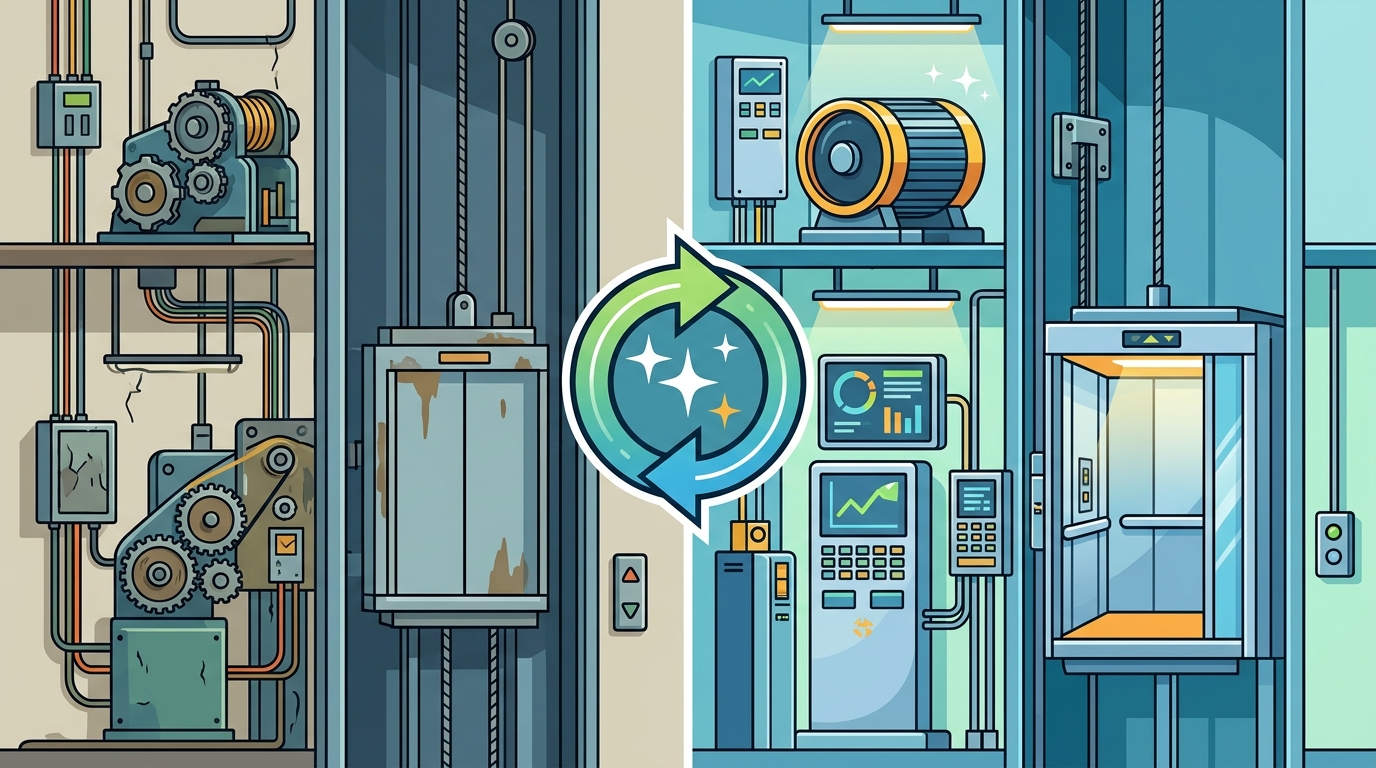
A complete modernization replaces all major components, including the control system, motor, drive, doors, and often the car and cab interior. This is the most comprehensive option, effectively creating a new elevator within the existing shaft. It offers the highest level of energy efficiency, reliability, and aesthetic improvement. According to the American Society of Mechanical Engineers, complete modernization can extend the elevator's operational life by 20 to 30 years.
Integrating Smart IoT Technology
The modern elevator is no longer just a mechanical device; it is a connected node in the smart building ecosystem. Integrating Internet of Things (IoT) technology is a key component of contemporary modernization projects.
IoT-enabled elevators utilize sensors to monitor performance data in real time. This data is transmitted to a cloud-based platform where it is analyzed to predict potential failures before they occur. This shift from reactive to predictive maintenance minimizes downtime and optimizes service intervals. Industry reports show that IoT monitoring can reduce maintenance costs by 20 percent through optimized service scheduling.
AR Elevator USA offers Giga Lift Smart IoT Elevator Services, which provide intelligent elevator solutions with real-time monitoring and predictive maintenance capabilities. This technology allows building owners to view elevator status remotely, receive instant alerts for any anomalies, and ensure continuous operation. The integration of smart technology also enhances the rider experience through features like destination dispatch and touchless call buttons.
Navigating Code Compliance and Regulations
Elevator modernization must adhere to strict safety codes and regulations. In Nevada, compliance with state-specific regulations is essential. The primary standard is the ASME A17.1 Safety Code for Elevators and Escalators, along with ASME A17.2 and A17.3 for specific applications.
Modernization projects often trigger a requirement for a new annual inspection. Any deficiencies identified during this inspection must be repaired before the work permit expires. According to the National Elevator Industry Inc. (NEII), compliance with ASME standards is critical for preventing elevator-related accidents.
AR Elevator USA provides professional code compliance consultancy solutions for Nevada state elevator regulations. Our team ensures that every modernization project meets or exceeds all applicable codes. We handle the documentation and coordination with local authorities to ensure a smooth inspection process. This includes addressing deficiencies related to fire service, emergency communication, and accessibility requirements.
The Modernization Process Explained
Executing an elevator modernization project requires careful planning and coordination to minimize disruption to building occupants. The process typically follows these steps:
- Assessment and Survey: A thorough inspection of the existing elevator system is conducted. This includes evaluating the mechanical components, electrical controls, and shaft conditions. The goal is to identify all deficiencies and determine the scope of modernization needed.
- Design and Engineering: Based on the assessment, a custom modernization plan is developed. This includes selecting the appropriate equipment, designing the new control system, and planning the installation sequence. The design ensures compatibility with the existing shaft and building infrastructure.
- Procurement and Permitting: All necessary equipment is ordered, and permits are obtained from local authorities. This step ensures that the project stays on schedule and complies with all regulatory requirements.
- Installation: The installation phase involves removing old components and installing new ones. This is often done in phases to keep at least one elevator operational if possible. Certified technicians perform the installation with precision and care.
- Testing and Commissioning: Once installation is complete, the elevator undergoes rigorous testing. This includes safety function tests, performance tests, and compliance inspections. Any issues are resolved before the elevator is returned to service.
- Training and Handover: Building staff are trained on the new system, including its features and maintenance requirements. Documentation, including warranties and service manuals, is provided.
AR Elevator USA specializes in elevator modernization, alteration, and upgrading services. We provide complete turnkey solutions that cover every aspect of the project, from initial survey to final commissioning. Our team ensures that the modernization is delivered on time and within budget, with transparent pricing and no hidden costs.
Key Takeaways
- Modernization can reduce elevator energy consumption by up to 75 percent.
- Predictive maintenance via IoT can cut unplanned downtime by 50 percent.
- ASME A17.1 is the primary safety code governing elevator modernization in the US.
- AR Elevator USA serves Nevada and the Western region with licensed, full-service support.
- Complete modernization can extend an elevator's life by 20 to 30 years.
- IoT integration enables real-time monitoring and proactive maintenance.
- Code compliance is mandatory and requires professional inspection and repair.
Frequently Asked Questions
What is the difference between elevator repair and modernization?
Elevator repair addresses specific, immediate issues to restore function. Modernization involves replacing obsolete or worn components to improve performance, efficiency, and safety, effectively upgrading the system to current standards.
How long does an elevator modernization project take?
The duration varies based on the scope of work. A partial modernization may take a few weeks, while a complete system modernization can take several months. AR Elevator USA provides detailed timelines during the planning phase to minimize disruption.
Do I need to upgrade my elevator for Nevada’s new MCS 2301 requirements?
Yes, compliance with Nevada state regulations, including MCS 2301, is essential. Modernization ensures that your elevator meets these current code requirements, avoiding penalties and ensuring safety.
What is Giga Lift Smart IoT Technology?
Giga Lift is AR Elevator USA’s proprietary smart elevator solution. It integrates IoT connectivity, predictive maintenance, and real-time monitoring to enhance elevator reliability and reduce operational costs.
Can modernization improve the aesthetic of my elevator?
Yes. Modernization often includes upgrading the car interior, doors, and call stations. This can significantly improve the look and feel of the elevator, enhancing the building's overall appeal.
How does AR Elevator USA ensure code compliance?
Our team of certified technicians and compliance experts ensures that all modernization projects meet or exceed ASME A17.1 and Nevada state regulations. We handle all documentation and inspection coordination.
What is the ROI of elevator modernization?
The return on investment comes from reduced energy costs, lower maintenance expenses, extended equipment life, and increased property value. Studies show that modernized elevators can increase building property values by 5 to 10 percent.
Ready to Modernize Your Elevator?
Don't let aging elevator systems compromise your building's safety and efficiency. AR Elevator USA is your trusted partner for elevator modernization in Nevada and the Western United States. Contact us today to schedule a consultation and receive a transparent, no-obligation quote for your modernization project.
Contact AR Elevator USA to learn more about our services.