
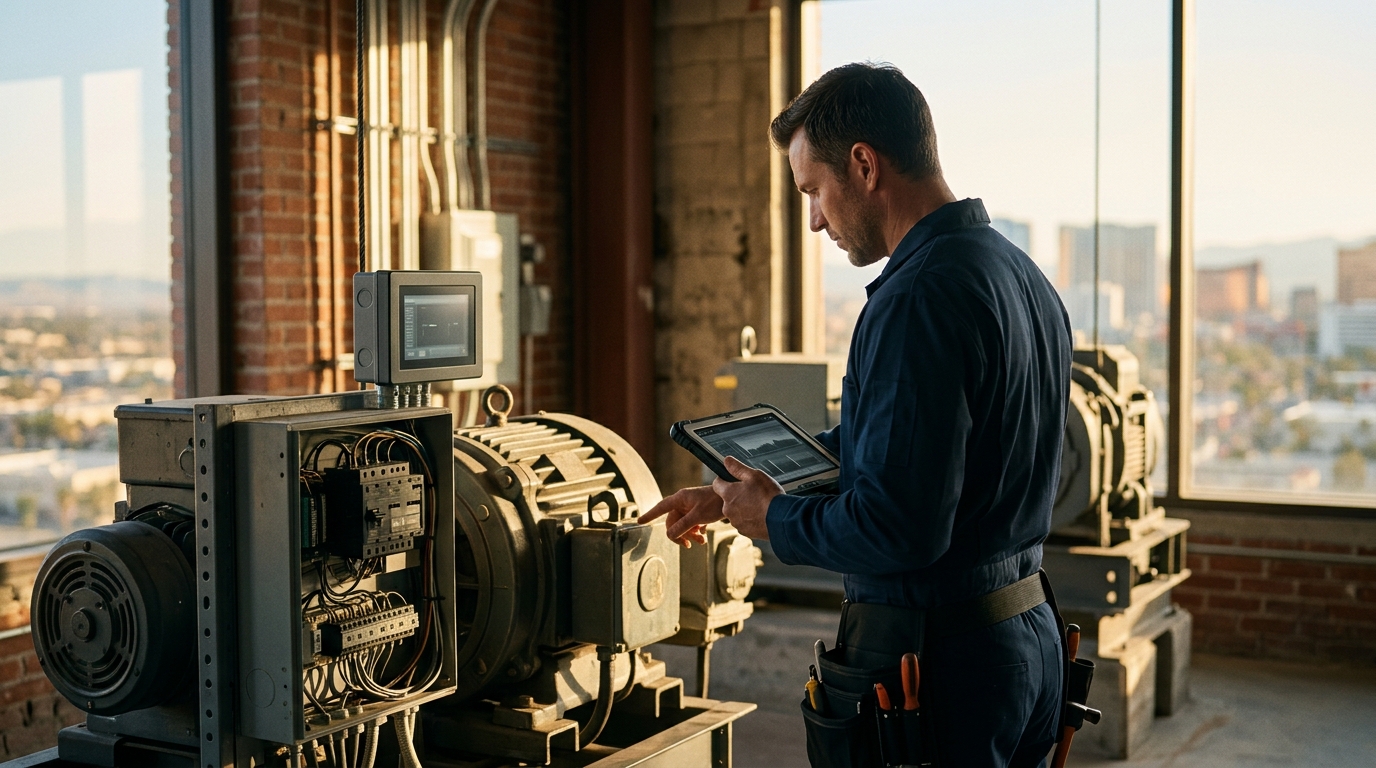
Elevator modernization is not merely a cosmetic upgrade; it is a critical infrastructure overhaul that extends the lifespan of vertical transportation systems while drastically improving energy efficiency and safety. According to industry data, modernized elevators can reduce energy consumption by up to 70% compared to their aging predecessors, making them essential for sustainable building operations. This guide details the strategic, technical, and regulatory steps required to successfully modernize an existing elevator installation system. (Contact https arelevatorusa com)
Understanding Elevator Modernization
Elevator modernization is the process of replacing obsolete components with new, efficient technology to restore reliability and meet current safety standards. Unlike routine maintenance, which addresses wear and tear, modernization tackles systemic obsolescence. As buildings age, their elevator systems often become incompatible with modern energy codes and accessibility requirements. Modernization bridges this gap by integrating smart technology, such as the Giga Lift Smart IoT Elevator Services, which allows for real-time monitoring and predictive maintenance. (About https arelevatorusa com)
The decision to modernize is often driven by rising repair costs, frequent breakdowns, or the need for LEED certification. A modernized system not only improves the rider experience but also significantly reduces the building's carbon footprint. For property managers in Nevada, understanding the local regulatory landscape is crucial, as code compliance services ensure that all upgrades meet state-specific mandates.
Phase 1: Comprehensive System Assessment
The first step in modernization is a thorough diagnostic evaluation. This phase determines which components are beyond repair and which can be refurbished. A professional assessment typically involves inspecting the motor, control panel, doors, and cab interior. (Elevator Annual Inspection amp)
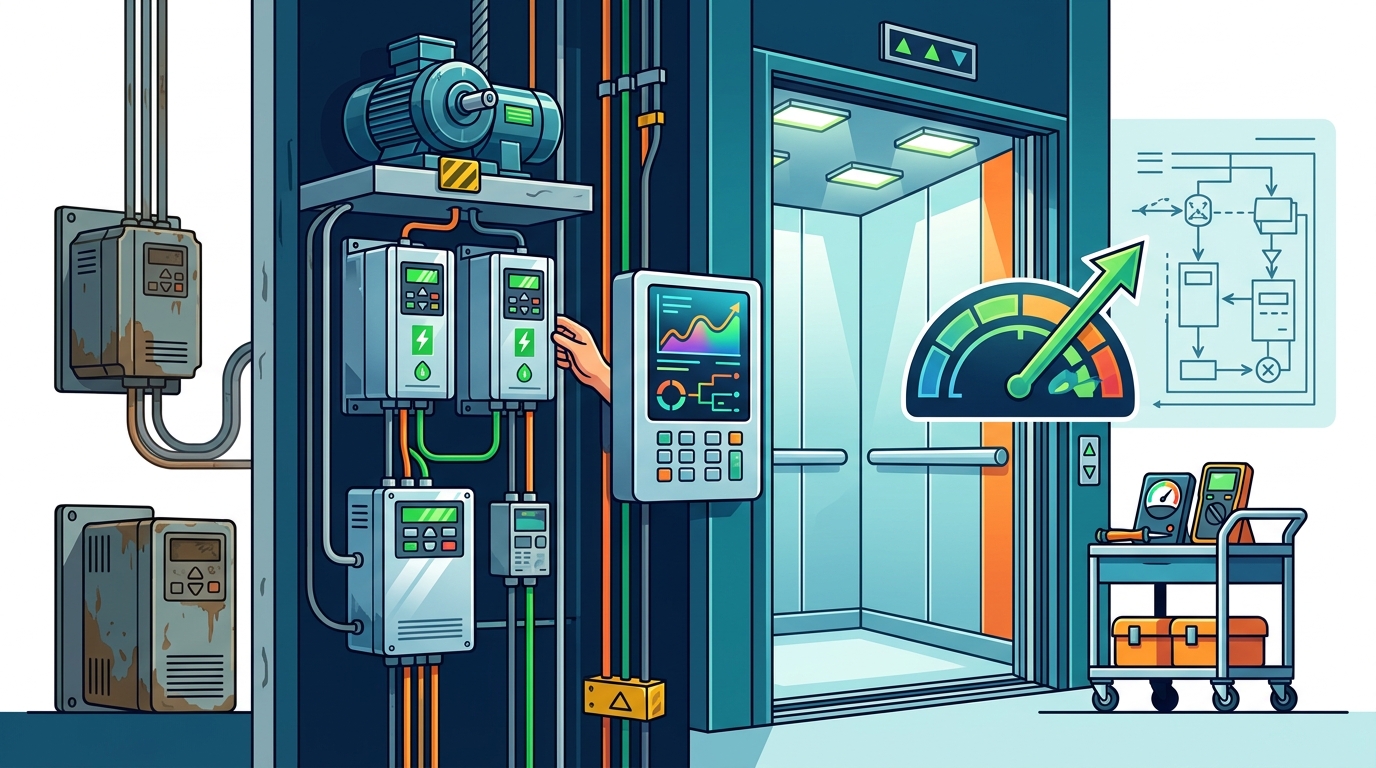
Identifying Obsolete Components
Many older elevators use relay-based control systems that are no longer manufactured. These systems are prone to failure and difficult to repair. Identifying these obsolete parts early allows for a more accurate budget. AR Elevator USA specializes in elevator modernization, alteration, and upgrading services, providing detailed reports on component viability.
Evaluating Power Efficiency
Energy consumption is a major factor in modernization decisions. Older hydraulic and traction elevators often consume excessive power. By analyzing current energy usage, building owners can project the savings from new power-efficient designs. This analysis often reveals that the ROI for modernization is achieved within three to five years through reduced utility bills and lower maintenance costs.
Phase 2: Core Technology Upgrades
Modernization involves replacing the "brain