
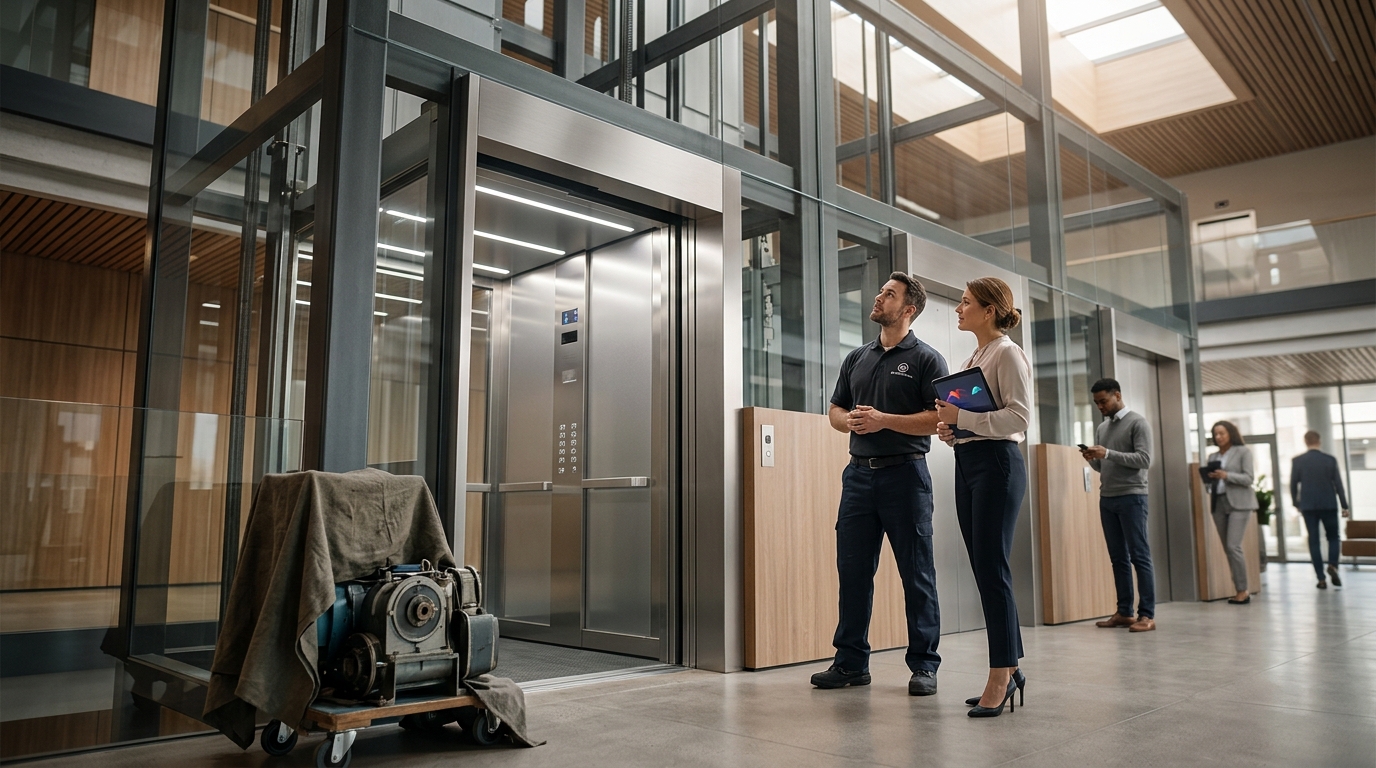
Elevator modernization is not merely a cosmetic upgrade; it is a critical infrastructure overhaul that extends the operational lifespan of vertical transportation systems by decades. According to industry data, modernizing an elevator can reduce energy consumption by up to 75% compared to older hydraulic or legacy traction models. This transformation involves replacing outdated control systems, upgrading mechanical components, and integrating smart IoT connectivity to ensure safety and efficiency. For building owners in Nevada and the Western region, navigating these upgrades requires a partner who understands local code compliance and advanced engineering. (About https arelevatorusa com)
Why Modernization is Critical for Safety and Efficiency
As elevator systems age, their components degrade, leading to increased downtime and higher maintenance costs. Elevator modernization is the process of replacing obsolete parts with new, code-compliant technology to restore reliability. This is distinct from routine maintenance, which focuses on keeping existing systems running. Modernization addresses the root causes of failure by updating the brain of the elevator: its control system.
Older elevators often lack the energy-efficient motors and regenerative drives found in modern units. Upgrading these systems can significantly lower utility bills while improving ride comfort. Furthermore, modern safety standards have evolved rapidly. Older systems may not meet current ASME A17.1 codes, posing liability risks for property managers. Modernization ensures that your building’s vertical transportation meets the latest safety benchmarks, protecting passengers and reducing legal exposure.
For building owners, the decision to modernize is often driven by frequent breakdowns, outdated aesthetics, or the need for accessibility compliance. By investing in a comprehensive upgrade, you transform a liability into a valuable asset that enhances the building’s marketability and operational efficiency.
Phase 1: Comprehensive System Assessment
The first step in any modernization project is a thorough diagnostic evaluation. You cannot upgrade what you do not fully understand. A professional assessment identifies which components are beyond repair and which can be salvaged to reduce costs.
Evaluating the Control System
The control system is the central nervous system of the elevator. In older installations, relay-based controllers are prone to failure due to worn contacts and outdated logic. Modernizing the controller involves replacing it with a microprocessor-based system that offers faster response times, better traffic management, and diagnostic capabilities. This upgrade is often the most impactful change for improving reliability.
Inspecting Mechanical Components
Mechanical parts such as guide rails, ropes, buffers, and doors must be inspected for wear and alignment. If the mechanical infrastructure is in good condition, it may be possible to retain these parts, focusing the budget on the electrical and control upgrades. However, if the mechanical wear is severe, a full mechanical modernization may be required to ensure smooth operation.
Assessing Power and Electrical Infrastructure
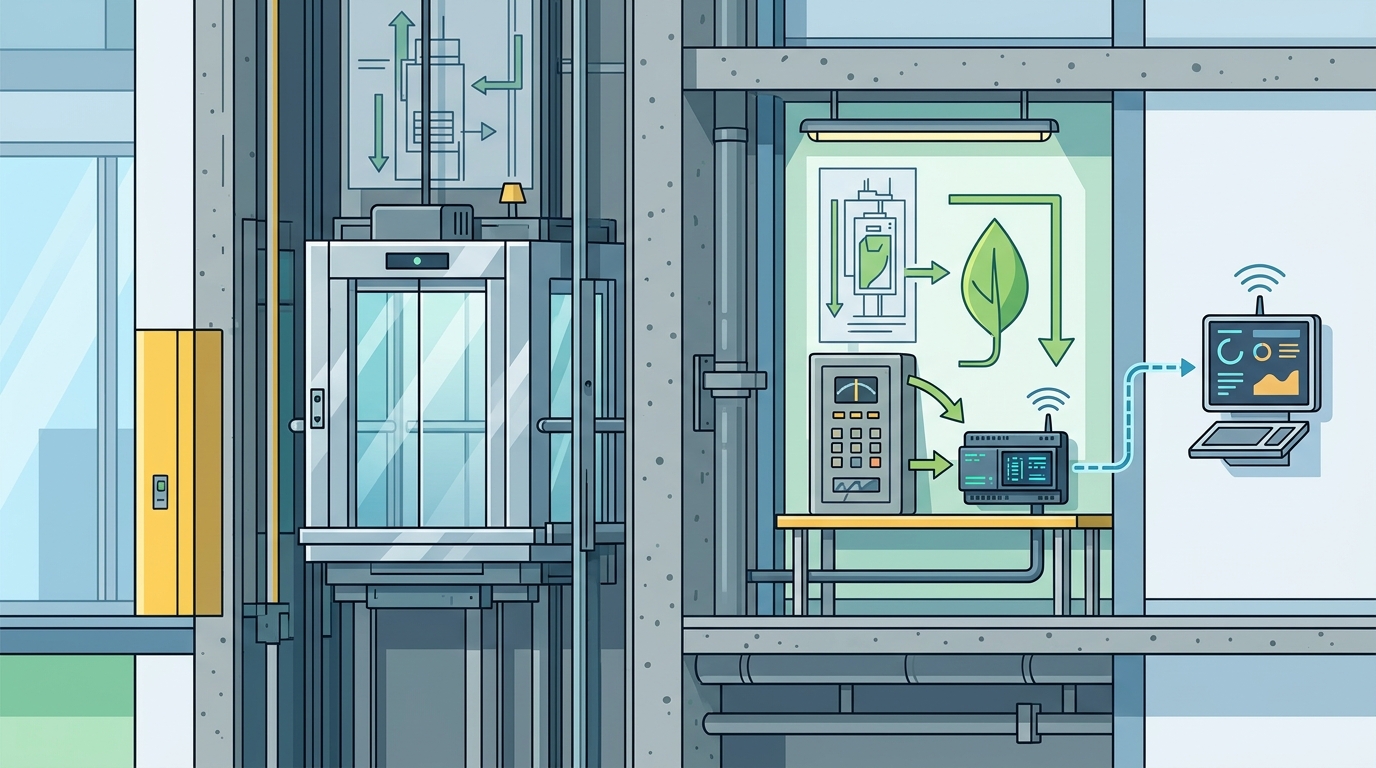
Older elevators often draw excessive power, leading to higher operational costs and potential strain on the building’s electrical grid. An assessment should include an audit of the power supply and the potential for installing regenerative drives. These devices capture energy during the braking process and feed it back into the building’s electrical system, resulting in significant energy savings.
Phase 2: Core Technology and Mechanical Upgrades
Once the assessment is complete, the modernization plan focuses on specific technological interventions. These upgrades are designed to enhance performance, safety, and user experience.
Upgrading the Drive System
The drive system determines how the elevator moves. Older hydraulic elevators use oil-filled cylinders that can leak and require frequent maintenance. Modernizing a hydraulic system often involves converting it to a machine-room-less (MRL) traction system or installing a hydraulic power unit with a variable frequency drive (VFD). VFDs allow for smooth acceleration and deceleration, reducing wear on mechanical parts and improving passenger comfort.
Modernizing Door Operators
Door failures are a leading cause of elevator downtime. Upgrading to modern door operators with electronic controls ensures precise opening and closing sequences. These new systems are equipped with safety sensors that prevent the doors from closing on passengers or objects, enhancing overall safety. Additionally, modern door operators are quieter and more durable than their mechanical predecessors.
Enhancing Cabin Aesthetics
While not strictly technical, cabin modernization is a key part of the overall upgrade. Updating the cabin interior with new lighting, flooring, and handrails can significantly improve the building’s image. Modern cabins often feature energy-efficient LED lighting and durable, easy-to-clean materials that reduce long-term maintenance needs.
Phase 3: Integrating Smart IoT and Predictive Maintenance
The latest generation of elevator modernization includes the integration of Internet of Things (IoT) technology. This transforms the elevator from a standalone machine into a connected device that communicates real-time data to building managers and service providers.
Real-Time Monitoring
IoT sensors monitor critical parameters such as vibration, temperature, and door cycles. This data is transmitted to a cloud-based platform where it is analyzed for anomalies. Real-time monitoring allows for immediate detection of potential issues before they result in a breakdown or entrapment. This capability is central to Giga Lift Smart IoT Elevator Services, which provides intelligent solutions for predictive maintenance.
Predictive Maintenance Programs
Traditional maintenance is reactive or scheduled based on time intervals. Predictive maintenance uses data analytics to determine the optimal time for service based on the actual condition of the equipment. This approach reduces unnecessary service visits and prevents unexpected failures. By leveraging smart building technology, building owners can achieve higher uptime and lower operational costs.
Enhanced Safety Features
IoT-enabled elevators can also enhance safety through advanced communication systems. In the event of an emergency, the elevator can automatically notify building security or emergency services with precise location data. This reduces response times and improves the safety of passengers during entrapment events.
Phase 4: Navigating Code Compliance and Regulations
Elevator modernization must adhere to strict local and national codes. In Nevada, compliance with state regulations is mandatory for all elevator installations and modifications. Failure to comply can result in fines, legal liability, and the inability to operate the elevator.
ASME A17.1 Standards
The American Society of Mechanical Engineers (ASME) sets the safety code for elevators and escalators. Modernization projects must meet the latest ASME A17.1 standards, which include requirements for fire service access, emergency communication, and mechanical safety. Comprehensive safety compliance ensures that the upgraded system meets these rigorous benchmarks.
Nevada State Regulations
Nevada has specific regulations regarding elevator inspections and maintenance. Building owners must ensure that their modernization project includes all necessary permits and inspections. Professional code compliance consultancy is essential to navigate these requirements and avoid costly delays. AR Elevator USA specializes in helping clients meet Nevada’s unique regulatory landscape.
Accessibility Requirements
The Americans with Disabilities Act (ADA) requires that elevators be accessible to individuals with disabilities. Modernization projects must include features such as audible signals, tactile buttons, and appropriate cabin dimensions. Ensuring ADA compliance is not only a legal requirement but also a moral obligation to provide equal access for all building users.
Comparison of Modernization Approaches
Different modernization strategies offer varying levels of benefit and cost. The following table compares common approaches to help building owners make informed decisions.
| Approach | Scope of Work | Primary Benefit | Estimated Cost Impact |
|---|---|---|---|
| Control System Only | Replace controller and wiring | Improved reliability and traffic management | Low to Moderate |
| Full Mechanical Modernization | Replace motors, doors, and rails | Extended lifespan and energy savings | High |
| IoT Integration | Add sensors and connectivity | Predictive maintenance and remote monitoring | Moderate |
| Complete Turnkey Solution | All above plus cabin aesthetics | Maximum efficiency and aesthetic upgrade | Very High |
Choosing the right approach depends on the age of the elevator, the building’s budget, and long-term operational goals. A complete modernization solution often provides the best return on investment by addressing all aspects of the system simultaneously.
Key Takeaways
- Energy Efficiency: Modernizing elevator systems can reduce energy consumption by up to 75%, significantly lowering operational costs.
- Safety Compliance: Upgrades ensure adherence to ASME A17.1 standards and Nevada state regulations, reducing legal liability.
- IoT Connectivity: Smart IoT integration enables predictive maintenance, reducing downtime and extending equipment life.
- Reliability: Replacing obsolete control systems and mechanical components restores reliability and improves passenger comfort.
- Regulatory Expertise: Navigating Nevada’s specific code requirements requires specialized knowledge and professional consultancy.
- Cost-Effectiveness: Modernization is often more cost-effective than full replacement, offering a longer lifespan at a lower initial cost.
- 24/7 Support: Partnering with a provider that offers 24/7 entrapment response ensures continuous safety and peace of mind.
Frequently Asked Questions
What is the difference between elevator maintenance and modernization?
Elevator maintenance involves routine inspections and repairs to keep the existing system running. Modernization involves replacing obsolete components with new technology to improve performance, safety, and efficiency. Maintenance extends the life of the current system, while modernization upgrades the system to modern standards.
How long does an elevator modernization project take?
The duration varies based on the scope of work. A control-only upgrade may take a few weeks, while a full mechanical modernization can take several months. AR Elevator USA provides detailed timelines during the planning phase to minimize disruption to building operations.
Can I keep my existing elevator cabin during modernization?
In many cases, the existing cabin can be retained if it is in good condition. However, modernization often includes cabin upgrades to improve aesthetics and functionality. A professional assessment will determine the best course of action for your specific elevator.
What are the benefits of IoT-enabled elevators?
IoT-enabled elevators offer real-time monitoring, predictive maintenance, and enhanced safety features. They allow building managers to detect issues before they cause downtime and provide data-driven insights for optimizing performance.
Is modernization more cost-effective than replacement?
Modernization is often more cost-effective than full replacement, especially for elevators with sound mechanical infrastructure. It extends the lifespan of the system and improves efficiency without the high costs associated with a complete new installation.
How do I ensure my modernized elevator meets Nevada codes?
Working with a licensed, local provider like AR Elevator USA ensures compliance with Nevada state regulations and ASME standards. They provide professional code compliance consultancy to navigate the regulatory landscape effectively.
What is the role of predictive maintenance in modernization?
Predictive maintenance uses data from IoT sensors to determine the optimal time for service. This approach reduces unnecessary visits and prevents unexpected failures, ensuring higher uptime and lower maintenance costs.
Schedule Your Modernization Consultation
Modernizing your elevator system is a strategic investment in safety, efficiency, and building value. AR Elevator USA offers comprehensive modernization services tailored to the unique needs of Nevada and Western region buildings. From initial assessment to final inspection, our team ensures a seamless upgrade process that meets all code requirements. Contact us today to schedule your consultation and discover how we can transform your vertical transportation system.