
Key Factors to Consider When Upgrading an Elevator Installation System
Upgrading an elevator system is a critical infrastructure decision that impacts building safety, operational efficiency, and tenant satisfaction. According to recent industry data, modernization projects can reduce energy consumption by up to 50% while extending the equipment's lifespan significantly. This guide outlines the essential factors property managers and building owners must evaluate to ensure a successful upgrade.
Safety and Code Compliance
The foremost priority in any elevator upgrade is ensuring strict adherence to safety codes. Elevator systems are heavily regulated to protect passengers and maintenance personnel. Failure to comply can result in severe legal liabilities and operational shutdowns.
ASME Standards
Modern elevator installations must follow the ASME A17.1 code, which is the national safety code for elevators and escalators. This standard covers everything from emergency communication devices to door safety mechanisms. For buildings in Nevada, local regulations may impose additional requirements that go beyond the national baseline.
AR Elevator USA specializes in Elevator Code Compliance Services to ensure that every upgrade meets or exceeds these rigorous standards. Their team conducts thorough assessments to identify gaps between current equipment and modern safety protocols.
Annual Inspection Requirements
Upgrading a system often involves clearing deficiencies identified during annual inspections. These deficiencies can range from minor wear and tear to critical safety hazards. Addressing these issues promptly is crucial to maintaining operational continuity.
Professional Annual Inspection Deficiency Repair Services are essential for resolving these issues before work permits expire. This proactive approach prevents costly delays and ensures that the building remains compliant with state and federal regulations.
Technology and IoT Integration
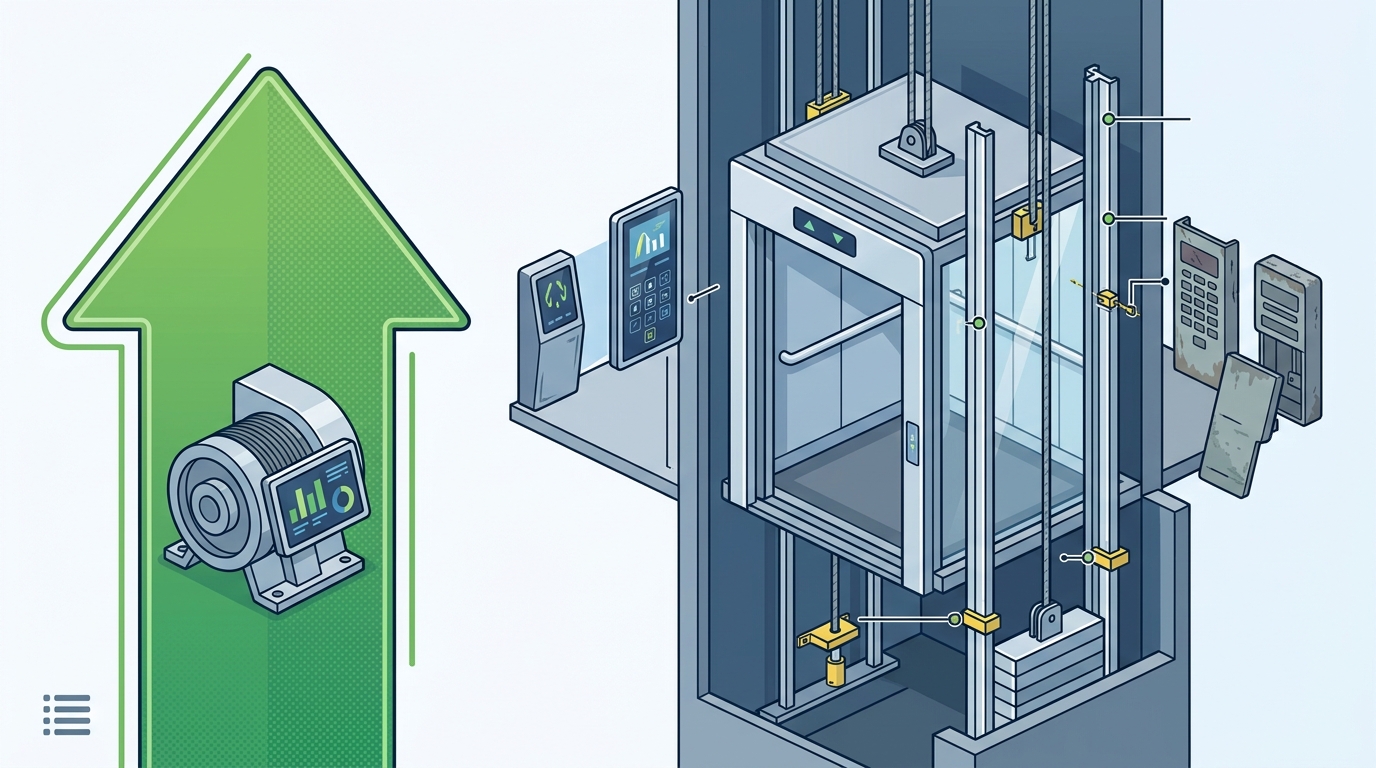
The modern elevator industry is rapidly evolving with the integration of smart technologies. Internet of Things (IoT) devices allow for real-time monitoring and predictive maintenance, which can significantly reduce downtime.
Predictive Maintenance
Predictive maintenance uses data analytics to forecast when a component is likely to fail. This allows maintenance teams to address issues before they cause a breakdown. This approach is far more efficient than reactive repairs, which often occur during peak usage times.
AR Elevator USA offers Giga Lift Smart IoT Elevator Services that provide intelligent monitoring and connectivity. These systems enable building owners to track elevator performance remotely and schedule maintenance based on actual usage data rather than fixed intervals.
Smart Building Connectivity
Elevators are a key component of smart building ecosystems. Integration with building management systems (BMS) allows for optimized traffic flow and energy management. This connectivity enhances the overall user experience by reducing wait times and improving accessibility.
Energy Efficiency and Power
Energy consumption is a major operational cost for building owners. Older elevator systems are often inefficient, consuming more power than necessary due to outdated motors and control systems.
Power-Efficient Designs
Upgrading to energy-efficient components can lead to substantial savings on utility bills. Regenerative drives, for example, can capture energy generated during braking and feed it back into the building's power grid. This technology is particularly effective in high-traffic buildings with frequent stop-and-go elevator usage.
AR Elevator USA focuses on AR Elevator USA Power Efficiency to help clients reduce their carbon footprint and operational costs. Their solutions include eco-friendly technology and sustainable vertical transportation options that align with green building certifications.
Sustainable Vertical Transportation
Sustainability is no longer just a regulatory requirement but a market expectation. Tenants and buyers increasingly prefer buildings that demonstrate environmental responsibility. Upgrading to green elevator systems can enhance a property's marketability and value.
Types of Modernization
Not all upgrades are the same. The type of modernization required depends on the age, condition, and intended use of the elevator system. Understanding the options available is crucial for making an informed decision.
| Modernization Type | Description | Best For |
|---|---|---|
| Complete Modernization | Replacement of major components including motors, controls, and doors. | Older systems with significant wear or outdated technology. |
| Partial Modernization | Upgrading specific components such as the control system or cab interior. | Systems that are mechanically sound but technologically outdated. |
| Cab Refurbishment | Renovation of the interior cabin for aesthetic and functional improvements. | Buildings seeking to enhance tenant experience without major mechanical work. |
Choosing the right type of modernization requires a detailed assessment of the current system's condition and the building's future needs. AR Elevator USA provides Elevator Modernization, Alteration & Upgrading Services tailored to each project's unique requirements.
Vendor Selection and Expertise
The success of an elevator upgrade depends heavily on the expertise of the service provider. Choosing a vendor with the right qualifications and experience is critical.
Local Expertise
Local vendors have a better understanding of regional codes and climate challenges. In Nevada, for example, extreme temperatures can affect elevator performance and maintenance schedules. A local partner can provide more responsive and relevant support.
AR Elevator USA is a family-owned, local company proudly serving Nevada and the Western region. Their local presence ensures rapid response times and a deep understanding of regional regulatory landscapes.
24/7 Emergency Support
Elevator breakdowns can occur at any time. Having access to 24/7 emergency support is essential for minimizing downtime and ensuring passenger safety. A reliable vendor should offer a clear protocol for emergency response.
AR Elevator USA provides 24/7 Emergency Service with a commitment to rapid response. This ensures that building owners have peace of mind knowing that help is always available when needed.
Key Takeaways
- Safety First: Always prioritize compliance with ASME A17.1 and local regulations to avoid legal and safety risks.
- Smart Technology: Integrate IoT solutions for predictive maintenance and real-time monitoring to reduce downtime.
- Energy Savings: Upgrade to power-efficient components to lower operational costs and meet sustainability goals.
- Vendor Expertise: Choose a local, licensed provider with a proven track record in modernization and compliance.
- Emergency Support: Ensure your vendor offers 24/7 emergency response to handle unexpected breakdowns.
- Comprehensive Assessment: Conduct a thorough analysis of your current system to determine the most appropriate modernization type.
- Long-Term Value: View upgrades as an investment in property value and tenant satisfaction, not just a repair cost.
Frequently Asked Questions
What is the average cost of an elevator modernization?
The cost varies widely depending on the scope of work, elevator type, and building height. However, investing in modernization often pays for itself through reduced maintenance costs and energy savings over time.
How long does an elevator upgrade take?
Timeline depends on the complexity of the project. Partial modernizations may take a few weeks, while complete overhauls can take several months. AR Elevator USA works to minimize disruption with efficient project management.
Do I need to upgrade my elevator for Nevada’s new MCS 2301 requirements?
Yes, compliance with local regulations like MCS 2301 is mandatory. AR Elevator USA provides Elevator Code Compliance Services to ensure your building meets all current legal standards.
What is Giga Lift Smart IoT?
Giga Lift is a smart IoT elevator service that provides intelligent monitoring, predictive maintenance, and real-time data analytics to optimize elevator performance and safety.
How does predictive maintenance work?
Predictive maintenance uses sensors and data analytics to monitor elevator components in real-time. It identifies potential issues before they cause a failure, allowing for scheduled repairs during off-peak hours.
Can AR Elevator USA handle residential elevator upgrades?
Yes, AR Elevator USA offers specialized Residential Elevator Services for homes and low-rise buildings, ensuring safety and reliability for private residences.
What is the difference between preventive maintenance and modernization?
Preventive maintenance involves regular inspections and minor repairs to keep the current system running. Modernization involves replacing or upgrading major components to improve performance, safety, and efficiency.
Ready to Upgrade Your Elevator System?
Don't let outdated elevator systems compromise your building's safety and efficiency. Contact AR Elevator USA today for a comprehensive assessment and tailored modernization plan. Visit our Contact Page to request a quote or schedule a consultation. Our team of experts is ready to help you transform your vertical transportation infrastructure.