
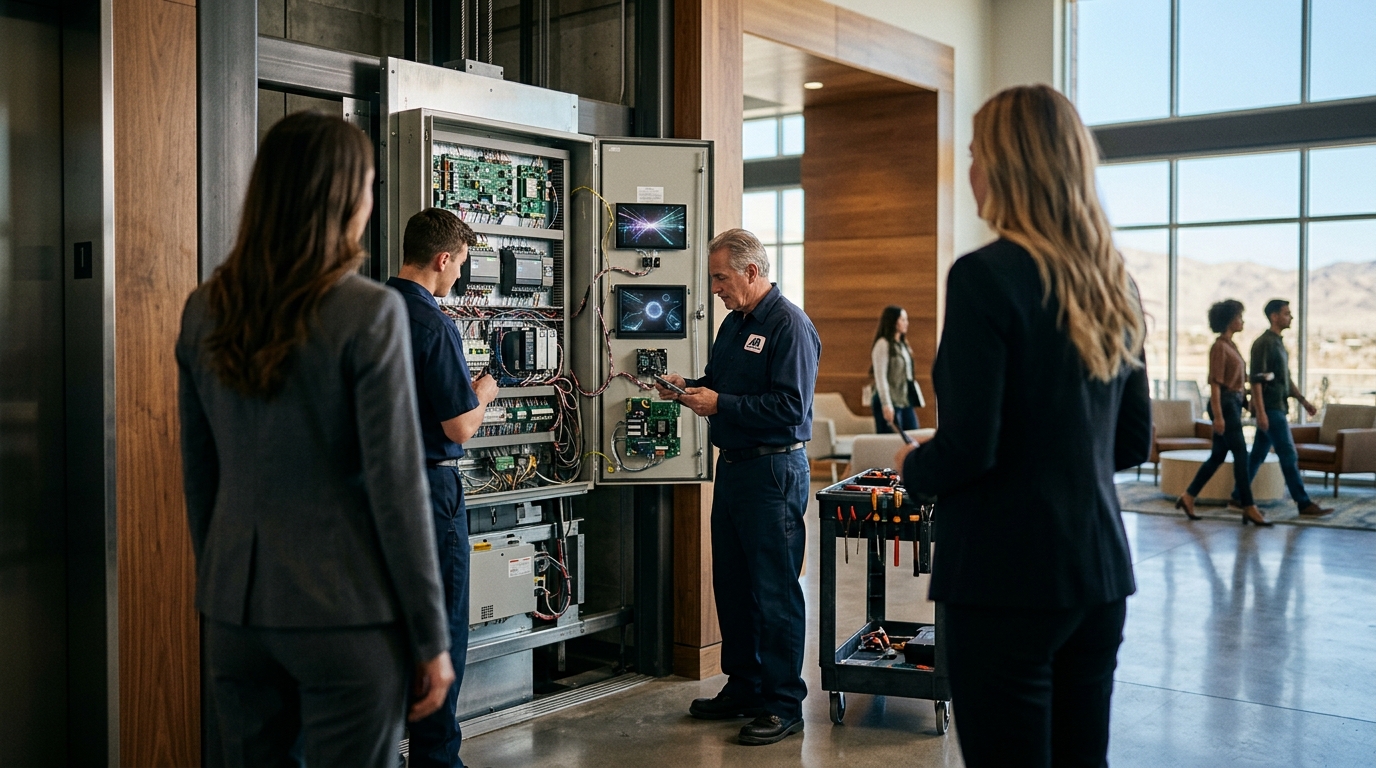
Elevator modernization is not merely a cosmetic upgrade; it is a critical infrastructure overhaul that extends the lifespan of vertical transportation systems by decades. According to industry data, modernizing an elevator can reduce energy consumption by up to 70% while significantly improving safety compliance with current codes. For building owners in Nevada and the Western region, navigating this process requires a strategic approach that balances technical precision, regulatory adherence, and budget management. This guide details the exact steps to transform aging elevator systems into smart, efficient, and reliable assets.
Step 1: Conducting a Comprehensive System Assessment
The foundation of any successful modernization project is a rigorous diagnostic evaluation. You cannot upgrade what you do not fully understand. A professional assessment involves inspecting the mechanical, electrical, and control components of your existing elevator to determine their remaining useful life.
During this phase, technicians evaluate the condition of the motor, drive system, car, cab, and doors. For hydraulic elevators, the focus shifts to the pump, motor, and fluid levels. For traction elevators, the sheave, ropes, and controller are scrutinized. This assessment identifies which components can be refurbished and which must be replaced entirely. AR Elevator USA provides detailed deficiency analysis to ensure no hidden costs emerge during the project. Annual Inspection Deficiency Repair Services often reveal the underlying issues that necessitate a full modernization rather than a simple repair.
Key indicators that a modernization is required include frequent breakdowns, excessive energy usage, outdated control systems that cause delays, and failure to meet current safety standards. If your elevator is over 20 years old, the likelihood of needing a comprehensive upgrade is high.
Step 2: Navigating Nevada Code Compliance and Regulations
Compliance is the most critical legal aspect of elevator modernization. In Nevada, elevator systems must adhere to strict state regulations and national safety codes. Failure to comply can result in heavy fines, operational shutdowns, and liability risks for building owners.
The primary standard governing elevator safety in the United States is the ASME A17.1 Safety Code for Elevators and Escalators. Additionally, Nevada has specific requirements such as MCS 2301, which mandates rigorous safety protocols for vertical transportation. Elevator Code Compliance Services are essential to ensure your modernization project meets these exact specifications. Our team specializes in professional compliance consultancy solutions for Nevada state elevator regulations, ensuring that every aspect of the upgrade is legally sound.
Modernization often triggers a requirement for a new annual inspection. This includes Category 1 and Category 5 inspections, which verify the structural integrity and safety functions of the elevator. Certified technicians perform these tests using advanced equipment to document compliance. Elevator Annual Inspection & Testing Services are conducted to guarantee that the newly modernized system operates within safe parameters from day one.
Step 3: Selecting Smart IoT and Energy-Efficient Technologies
Modern elevators are no longer just mechanical boxes; they are connected devices that provide real-time data. Integrating Smart IoT technology is a major trend in elevator modernization, offering predictive maintenance capabilities and enhanced user experiences.
Smart IoT elevators utilize sensors to monitor performance metrics such as vibration, temperature, and door cycles. This data allows for predictive maintenance, where issues are identified and resolved before they cause a breakdown. Giga Lift Smart IoT Elevator Services provide intelligent elevator solutions with IoT connectivity, enabling real-time monitoring and smart building technology integration. This reduces downtime and extends the life of the equipment.
Energy efficiency is another critical component. Older elevators consume significant power, especially hydraulic systems that use constant pump operation. Modernizing with machine-room-less (MRL) traction systems or regenerative drives can drastically cut energy costs. AR Elevator USA Power Efficiency solutions focus on energy-saving elevators and green building solutions, providing sustainable vertical transportation options. These eco-friendly technologies not only lower utility bills but also contribute to LEED certification for commercial buildings.
Step 4: Choosing Between Full Modernization and Partial Upgrades
Not every elevator requires a complete overhaul. The scope of work depends on the building's needs, budget, and the condition of the existing infrastructure. Understanding the difference between full modernization and partial upgrades is crucial for making an informed decision.
| Feature | Full Modernization | Partial Upgrade |
|---|---|---|
| Scope | Complete replacement of controls, motors, and often the car. | Targeted repair of specific components like doors or controllers. |
| Cost | Higher initial investment. | Lower immediate cost. |
| Longevity | Extends system life by 20-30 years. | May only extend life by 5-10 years. |
| Tech Integration | Includes IoT, smart monitoring, and energy efficiency. | Limited to basic functionality improvements. |
| Best For | Buildings with aging infrastructure or high traffic. | Buildings with relatively new systems needing minor fixes. |
For buildings with multiple elevators or those experiencing frequent failures, Elevator Upgrading, Alteration & Modernization Services offer complete solutions that transform aging systems into modern, efficient assets. Partial upgrades are suitable for newer elevators that only need cosmetic updates or minor control adjustments.
Step 5: Managing the Installation and Testing Phase
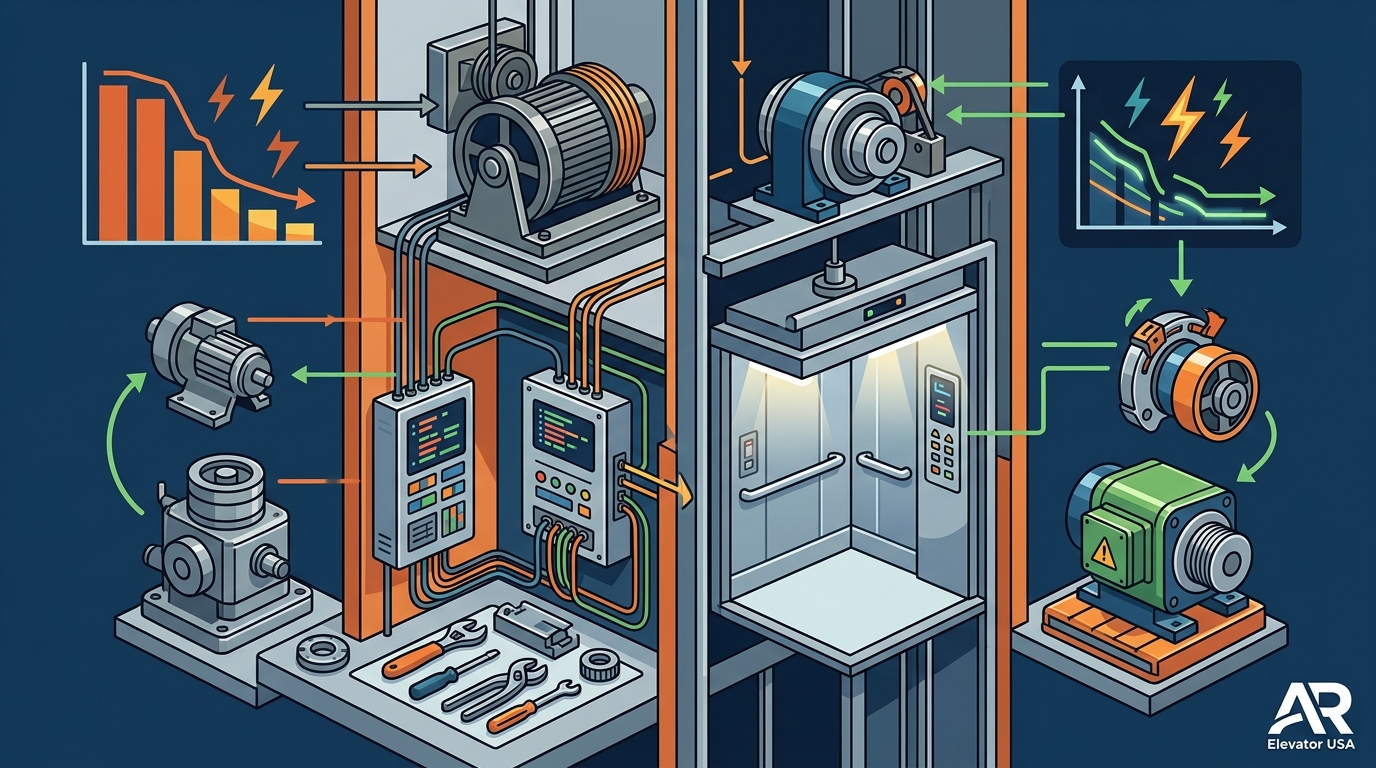
The installation phase requires meticulous planning to minimize disruption to building occupants. A professional contractor will create a detailed timeline, coordinating the removal of old equipment and the installation of new components. During this time, 24/7 Emergency Service availability is critical to handle any unexpected issues or entrapments.
Once the hardware is installed, rigorous testing is performed. This includes load testing, safety function verification, and alignment checks. The system is then integrated with any smart monitoring platforms. Finally, a comprehensive inspection is conducted to ensure compliance with all local and national codes. Elevator Annual Inspection & Testing Services are performed by certified technicians to issue the final compliance documentation.
AR Elevator USA is a family-owned, local company proudly serving Nevada and the Western region. As your licensed, full-service elevator partner, we are committed to safety, reliability, and precision in every project. We design, install, modernize, and maintain fully code-compliant elevator systems, delivering on-time results with transparent pricing and 24/7 responsive support.
Key Takeaways
- Modernization can reduce elevator energy consumption by up to 70%, offering significant long-term savings.
- Nevada requires strict adherence to ASME A17.1 codes and local regulations like MCS 2301 for all elevator systems.
- Smart IoT technology enables predictive maintenance, reducing unexpected downtime and extending equipment life.
- AR Elevator USA has over 8 years of local Las Vegas and Henderson experience, serving over 500 elevators in Southern Nevada.
- Full modernization is recommended for elevators over 20 years old or those with frequent mechanical failures.
- Energy-efficient upgrades, such as machine-room-less systems, contribute to green building certifications like LEED.
- Professional compliance consultancy is essential to navigate complex state and federal safety regulations.
Frequently Asked Questions
What is the average cost of elevator modernization?
The cost varies based on the type of elevator and the scope of work, but modernization typically costs less than a full replacement while providing similar benefits. AR Elevator USA provides transparent, upfront pricing for all projects.
How long does the modernization process take?
A typical modernization project can take anywhere from two to four weeks, depending on the complexity and the number of elevators. We strive to minimize downtime with efficient scheduling.
Do I need to upgrade my elevator for Nevada’s new MCS 2301 requirements?
Yes, absolutely. Compliance with MCS 2301 is mandatory for all elevator systems in Nevada. Our Elevator Code Compliance Services ensure your system meets these exact standards.
What is the difference between preventive maintenance and modernization?
Preventive maintenance involves regular inspections and minor repairs to keep the current system running. Modernization involves replacing major components or the entire system to improve performance, safety, and efficiency.
Can modernization include smart IoT features?
Yes, modernization often includes the integration of Giga Lift Smart IoT Elevator Services, which provide real-time monitoring and predictive maintenance capabilities.
How does modernization improve energy efficiency?
By replacing old motors and drives with energy-efficient models and regenerative systems, modernization can reduce power usage by up to 70%, as noted in industry ASME studies.
Is 24/7 emergency support available during modernization?
Yes, we provide 24/7 Emergency Service to handle any entrapments or issues that may arise during the transition period.
Ready to Modernize Your Elevator System?
Do not let aging infrastructure compromise the safety and efficiency of your building. AR Elevator USA is Nevada’s leading modernization and IoT specialist. We offer 24/7 entrapment response with a 1-hour response guarantee and 99.5% uptime through our predictive maintenance programs. Contact us today to schedule a comprehensive assessment and receive a transparent quote for your modernization project.
Contact AR Elevator USA to begin your journey toward a smarter, safer, and more efficient vertical transportation system.