
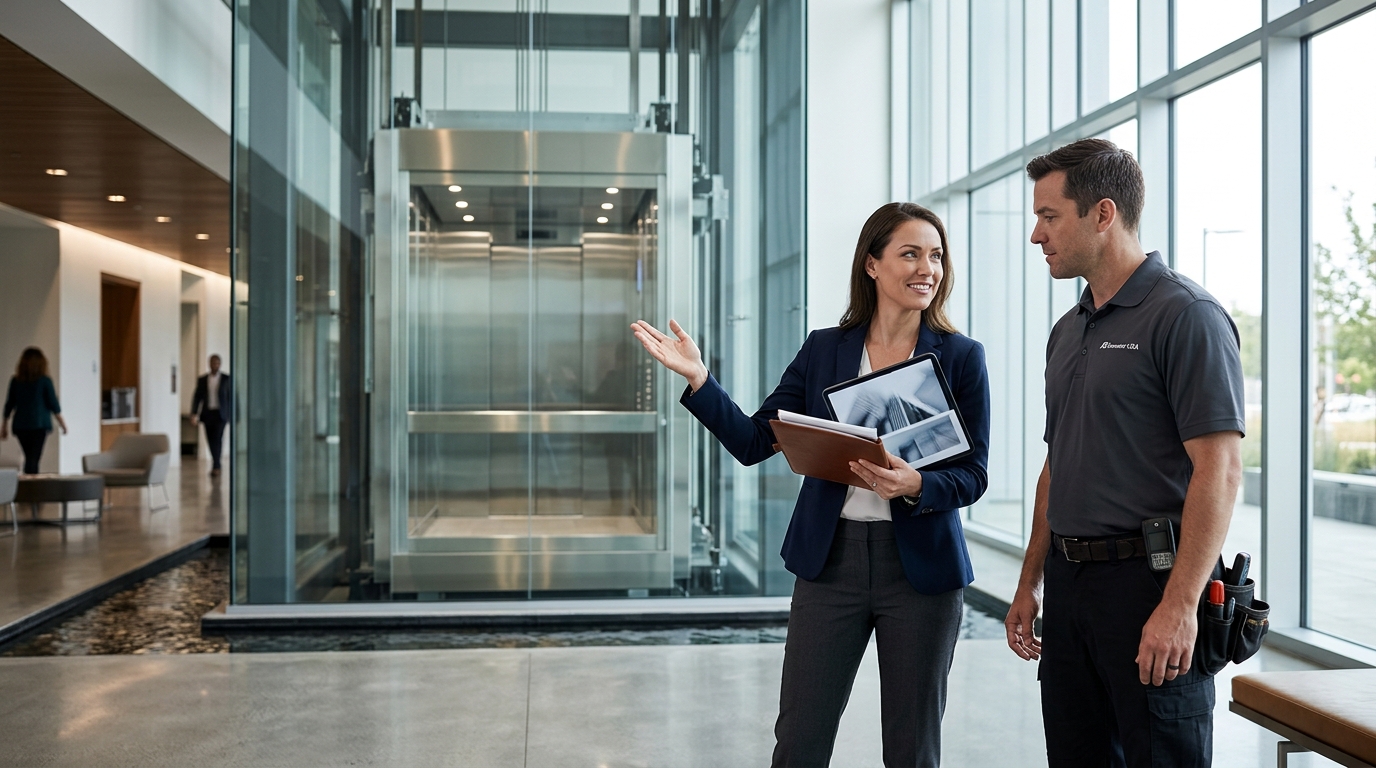
The commercial real estate sector is undergoing a massive transformation driven by vertical density and accessibility mandates. According to recent industry data, the average cost to install a new commercial elevator ranges from $80,000 to $250,000, with high-rise projects exceeding $500,000 depending on shaft complexity. This financial reality forces building owners to look beyond the sticker price and understand the underlying engineering and regulatory frameworks. At AR Elevator USA, we have seen firsthand how transparent pricing and code compliance prevent budget overruns during the critical installation phase. (About https arelevatorusa com)
Key Cost Variables
Understanding the financial scope of a commercial elevator project requires dissecting the specific variables that drive the final invoice. The primary driver is always the building architecture. A new construction project allows for optimized shaft dimensions, whereas a retrofit in an existing structure often demands extensive structural reinforcement. This is where the expertise of a licensed, full-service partner becomes invaluable for Nevada and Western region clients. (Elevator Annual Inspection amp)
Another critical factor is the number of stops and the travel distance. Every additional floor increases the length of the guide rails, the complexity of the wiring, and the duration of the installation labor. Furthermore, the capacity of the elevator, measured in pounds or kilograms, dictates the size of the motor and the strength of the suspension system. A standard 2,000-pound capacity is common for mid-rise offices, while heavy-duty freight elevators require significantly more robust hardware.
Finally, the finish and customization level play a substantial role in the total cost. Standard stainless steel interiors are cost-effective, but custom wood, glass, or branded finishes can add thousands to the unit price. At AR Elevator USA, we prioritize transparent pricing to ensure that every line item, from the machine room components to the final door operator, is clearly defined before work begins.
Technology Impact on Pricing
The choice of elevator technology fundamentally alters the installation cost and the long-term operational efficiency of the building. Traditional hydraulic systems are often cheaper to install in low-rise buildings but consume more energy over time. In contrast, machine-room-less (MRL) traction elevators are becoming the standard for mid-to-high-rise commercial buildings due to their space-saving design and energy efficiency.
Modern smart elevator systems, such as the Giga Lift Smart IoT Elevator Services, integrate advanced monitoring and predictive maintenance capabilities. While the initial hardware cost may be higher, these systems reduce downtime and extend the lifespan of mechanical components. This technology allows building managers to address potential issues before they cause a breakdown, protecting tenant satisfaction and revenue streams.
Energy efficiency is another major consideration. The AR Elevator USA Power Efficiency initiatives focus on regenerative drives that feed energy back into the building grid during braking. This not only lowers utility bills but also helps the building achieve green certification standards, which can increase property value and attract high-quality tenants.
Compliance and Safety Costs
Commercial elevator installation is heavily regulated to ensure public safety. All systems must adhere to strict codes, including ASME A17.1, A17.2, and A17.3 standards. These regulations dictate everything from door opening forces to emergency communication requirements. Non-compliance can result in severe fines, project delays, and liability risks for building owners.
The cost of compliance includes the engineering design, the specialized materials that meet fire and safety ratings, and the rigorous testing protocols. Professional certified technicians must perform comprehensive safety documentation and final inspections. This process ensures that the elevator operates smoothly and safely under all conditions, from peak traffic hours to emergency evacuations.
Our team at AR Elevator USA specializes in Code Compliance Services to navigate these complex regulatory landscapes. We ensure that every installation meets or exceeds local and federal requirements, providing peace of mind for property managers and owners. This commitment to safety is not just a legal obligation but a core component of our brand integrity.
Elevator Type Comparison
Selecting the right elevator type is crucial for balancing cost, performance, and building constraints. Below is a comparison of common commercial elevator options to help guide your decision-making process.
| Elevator Type | Best For | Estimated Cost Range | Key Benefit |
|---|---|---|---|
| Machine-Room-Less (MRL) | Mid-to-High Rise Offices | $100,000 - $250,000 | Space Saving & Energy Efficient |
| Hydraulic | Low-Rise Buildings (1-4 Floors) | $80,000 - $150,000 | Lower Initial Installation Cost |
| Pneumatic Vacuum | Accessible Commercial Spaces | $50,000 - $100,000 | No Machine Room Required |
| Freight Elevator | Warehouses & Industrial Sites | $120,000 - $300,000+ | Heavy Load Capacity |
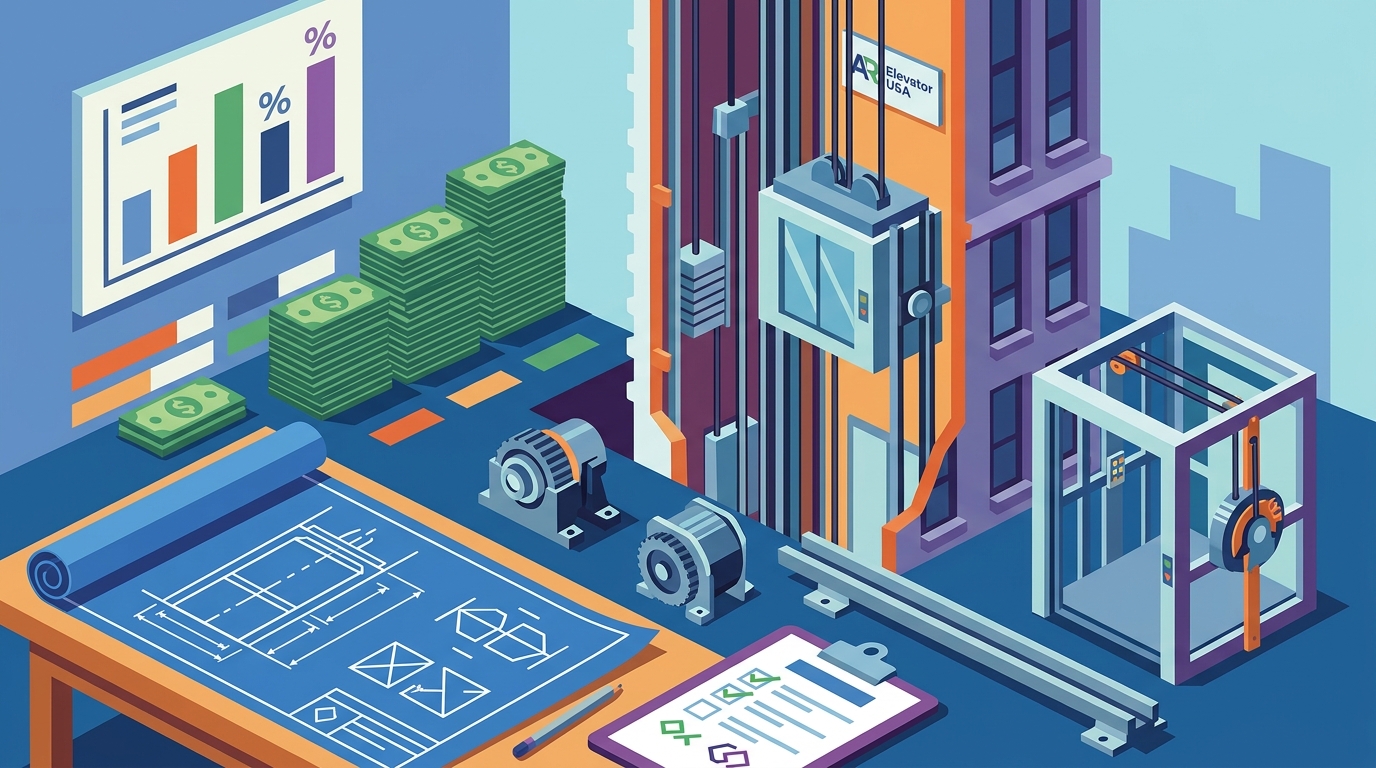
Key Takeaways
- The average cost for a new commercial elevator installation typically falls between $80,000 and $250,000, with high-rise projects costing significantly more.
- Machine-room-less (MRL) traction elevators are the industry standard for mid-to-high-rise buildings due to their efficiency and space-saving design.
- Compliance with ASME A17.1, A17.2, and A17.3 standards is mandatory and adds necessary cost for safety and legal protection.
- Smart IoT technology, such as the Giga Lift system, reduces long-term downtime and maintenance costs through predictive analytics.
- AR Elevator USA provides transparent pricing and 24/7 emergency service to ensure reliability for Nevada and Western region clients.
- Energy-efficient models with regenerative drives can lower utility bills and support green building certifications.
- Proper maintenance and annual inspections are critical for extending the lifespan of the elevator system and maintaining code compliance.
Frequently Asked Questions
How long does a commercial elevator installation take?
The timeline varies based on the complexity of the project, but a standard commercial installation typically takes between 8 to 12 weeks from design to final inspection. New construction projects may require longer coordination with general contractors.
Do I need a machine room for a new elevator?
Not necessarily. Machine-room-less (MRL) elevators place the machinery inside the shaft or at the top of the hoistway, eliminating the need for a separate machine room. This is a popular choice for modern commercial buildings seeking to maximize rentable space.
What is the difference between hydraulic and traction elevators?
Hydraulic elevators use a piston to push the car up and are generally used for low-rise buildings. Traction elevators use cables and counterweights, making them more efficient and suitable for mid-to-high-rise applications. Traction systems also offer smoother rides and higher speeds.
How often should a commercial elevator be inspected?
Commercial elevators must undergo annual inspections to ensure compliance with safety codes. Additionally, regular preventive maintenance is recommended to keep the system running smoothly and to identify potential issues early.
Can AR Elevator USA handle retrofit projects?
Yes, we specialize in both new installations and modernization services. Our team can assess your existing shaft and infrastructure to design a cost-effective solution that meets your building's unique needs and budget.
What maintenance services do you offer?
We provide comprehensive Elevator Preventive Maintenance Services, including routine inspections, lubrication, and part replacements. Our 24/7 emergency service ensures that any unexpected issues are resolved quickly to minimize downtime.
Is financing available for commercial elevator projects?
Many building owners utilize financing options to spread the cost of installation over time. We can provide detailed quotes and work with your financial team to structure a payment plan that aligns with your cash flow.
Request Your Quote
Investing in a new commercial elevator is a significant decision that impacts the functionality, safety, and value of your property. Partnering with a licensed, full-service provider like AR Elevator USA ensures that you receive expert guidance from design through installation and beyond. We are committed to delivering on-time results with transparent pricing and 24/7 responsive support.
Ready to elevate your building's performance? Contact us today to discuss your project requirements and receive a customized quote. Visit our Contact page to get started or call our team directly. Let us help you build a safer, more efficient future for your commercial space.