
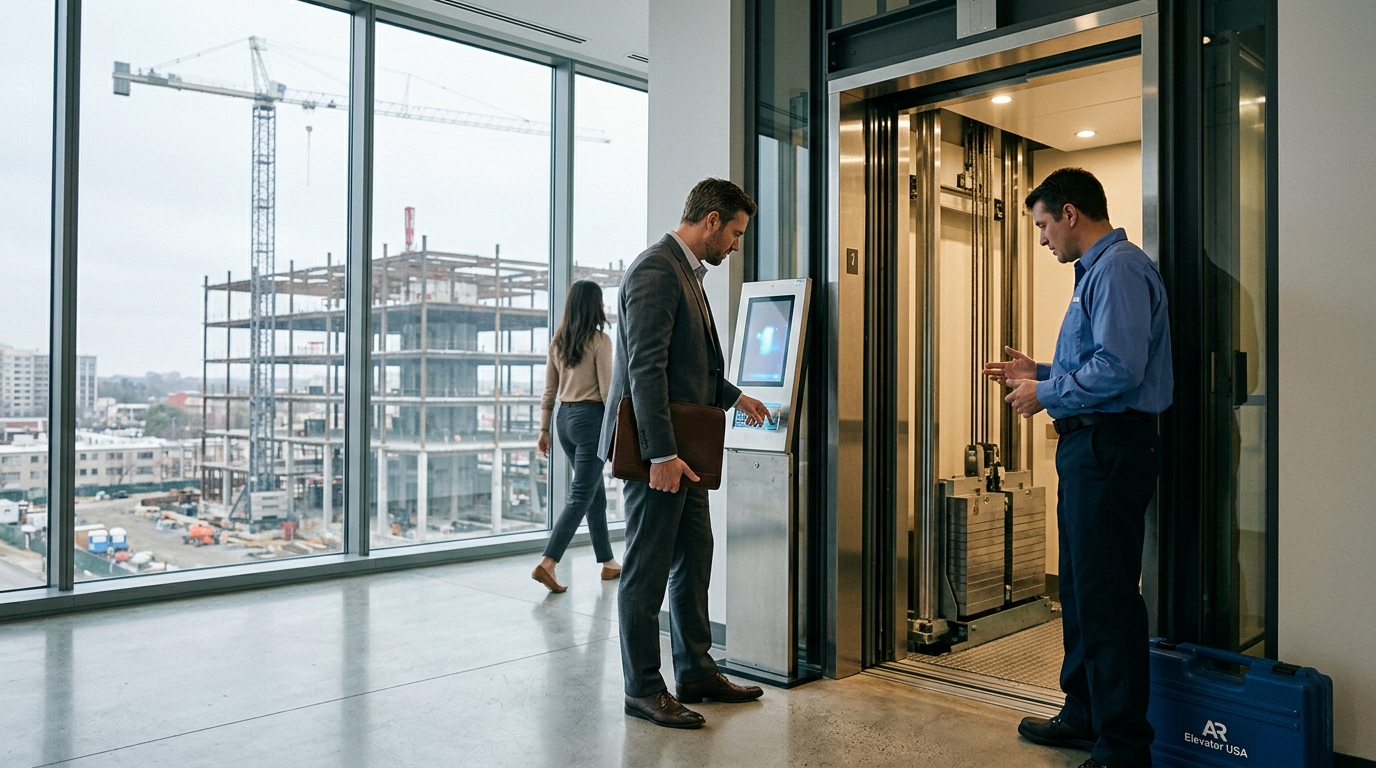
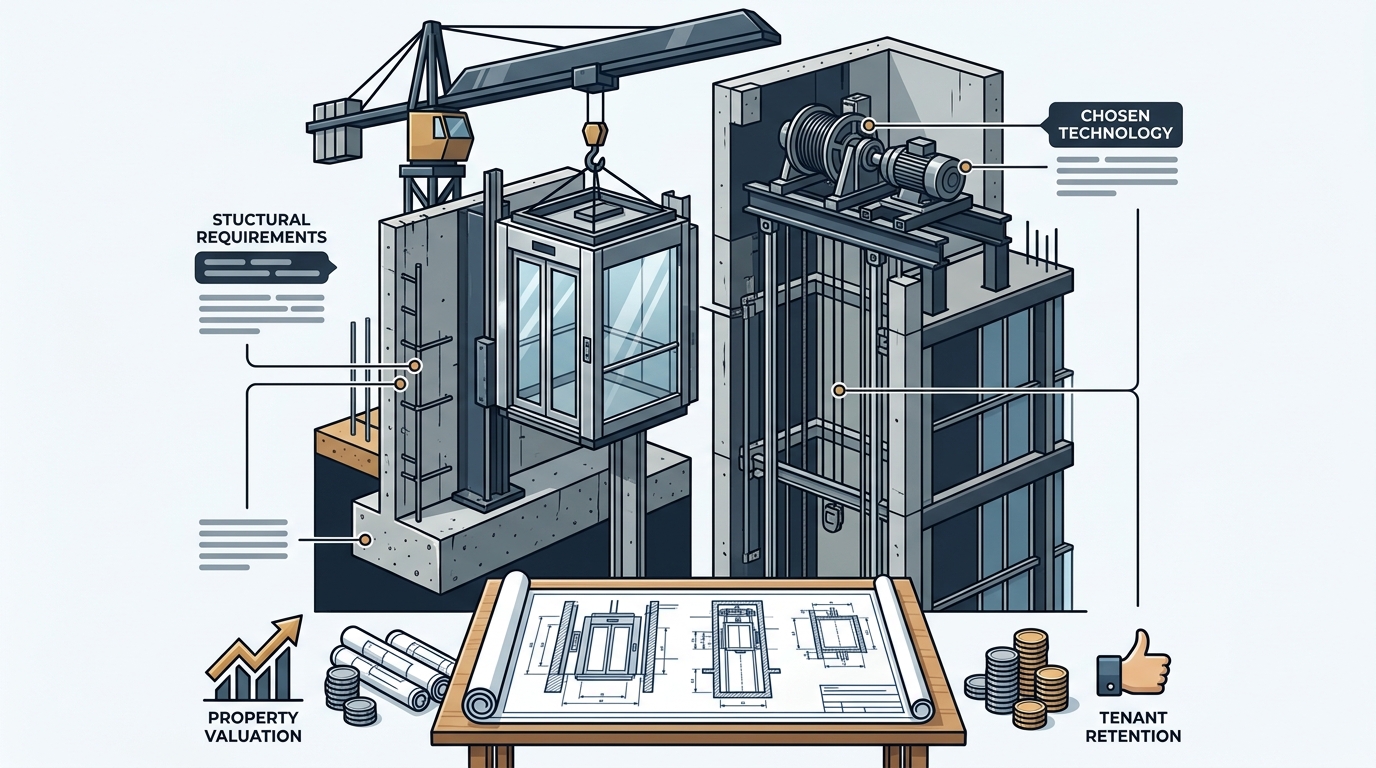
Installing a new elevator in a commercial building is a significant capital expenditure that directly impacts property valuation, tenant retention, and operational efficiency. According to recent industry data, the average cost for a commercial elevator installation ranges from $80,000 to $250,000, depending heavily on the building's structural requirements and the chosen technology. This wide variance exists because every commercial project is unique, requiring precise engineering to meet strict safety codes. Understanding these cost drivers is essential for facility managers and property developers to budget accurately and avoid unexpected financial overruns during the construction phase. (Contact https arelevatorusa com)
Understanding Cost Drivers
Before committing to a budget, it is vital to understand the primary factors that influence the final price tag. The most significant variable is the type of elevator system selected. Hydraulic, traction, and machine-room-less (MRL) systems each have distinct mechanical advantages and cost implications. Additionally, the number of stops, the speed of the elevator, and the customization of the cab interior play substantial roles in the final invoice. (Elevator Annual Inspection amp)
Another critical factor is the existing infrastructure of the building. Retrofitting an older commercial property often requires extensive structural modifications, such as reinforcing the shaft or installing a new machine room. These construction costs can sometimes exceed the price of the elevator equipment itself. Furthermore, local building codes and safety regulations, such as those outlined by the American Society of Mechanical Engineers (ASME), dictate specific requirements that must be met to ensure public safety. ASME standards are rigorous and non-negotiable, ensuring that every installation meets the highest safety benchmarks.
Elevator Types and Pricing
Selecting the right elevator technology is the first step in cost estimation. Each type serves different commercial needs, from high-rise office buildings to low-rise retail spaces. Below is a comparative analysis of the most common commercial elevator types.
| Elevator Type | Best For | Estimated Cost Range | Key Characteristics |
|---|---|---|---|
| Hydraulic Elevator | Low-rise buildings (2-6 floors) | $50,000 - $100,000 | Cost-effective, reliable, requires a machine room |
| Traction Elevator | Mid to high-rise buildings | $100,000 - $200,000 | Faster, energy-efficient, uses counterweights |
| MRL Elevator | Modern commercial spaces | $80,000 - $150,000 | Saves space, quiet operation, no separate machine room |
| Pneumatic Vacuum | Small commercial or residential | $30,000 - $60,000 | No pit required, minimal construction, limited capacity |
Hydraulic elevators are often chosen for their lower initial cost and simplicity. However, they consume more energy over time. Traction elevators are the standard for taller buildings due to their speed and efficiency. Machine-room-less (MRL) elevators have become increasingly popular in modern commercial construction because they eliminate the need for a dedicated machine room, thereby saving valuable square footage that can be leased for revenue. Elevator World reports that MRL technology has grown significantly in market share due to these space-saving benefits.
The Installation Process
The installation of a commercial elevator is a multi-phase project that requires coordination between architects, engineers, and specialized technicians. The process begins with a comprehensive site assessment to determine the feasibility of the installation. This phase includes evaluating the shaft dimensions, load-bearing capacity, and electrical requirements.
Once the design is finalized, the manufacturing phase begins. Custom cabs, doors, and control systems are built to specification. The actual installation involves erecting the rails, installing the motor and control panels, and assembling the cab. This stage is where most delays occur if structural issues are discovered. AR Elevator USA specializes in new elevator supply and installation, ensuring that every step is managed with precision and adherence to safety codes.
After installation, the system must undergo rigorous testing and inspection. This includes load testing, safety brake verification, and compliance checks against local and national codes. Only after passing these inspections can the elevator be put into service. This phase is critical for ensuring the long-term reliability and safety of the system.
Long-Term Maintenance Costs
While the installation cost is a significant upfront expense, the long-term maintenance costs are equally important to consider. Elevators require regular preventive maintenance to operate safely and efficiently. According to industry data, annual maintenance contracts typically range from $1,500 to $3,000 per elevator, depending on the type and usage frequency. The National Association of Elevator Inspectors emphasizes that regular maintenance is crucial for extending the lifespan of the equipment and preventing costly breakdowns.
Preventive maintenance includes lubricating moving parts, inspecting safety brakes, and testing control systems. AR Elevator USA offers comprehensive preventive maintenance services designed to keep your elevator running smoothly and safely. These services help identify potential issues before they become major problems, saving money in the long run.
Additionally, modern elevators are increasingly equipped with smart IoT technology that allows for predictive maintenance. These systems monitor elevator performance in real-time and alert technicians to potential issues before they cause a failure. This technology can significantly reduce downtime and repair costs. Giga Lift Smart IoT services provide advanced monitoring capabilities that enhance operational efficiency.
Key Takeaways
- Cost Variance: Commercial elevator installation costs range from $80,000 to $250,000, influenced by type, stops, and building structure.
- Type Selection: Hydraulic systems are cost-effective for low-rises, while traction and MRL systems are better for mid to high-rises.
- Structural Impact: Retrofitting older buildings can add significant construction costs due to necessary structural modifications.
- Maintenance Budget: Annual maintenance costs typically range from $1,500 to $3,000, with smart IoT systems offering predictive benefits.
- Compliance: All installations must meet ASME A17.1, A17.2, and A17.3 standards to ensure safety and legal compliance.
- Local Expertise: Working with a licensed, local provider like AR Elevator USA ensures adherence to regional codes and regulations.
- Energy Efficiency: Modern MRL and smart elevators offer significant energy savings, reducing long-term operational costs.
Frequently Asked Questions
How long does it take to install a commercial elevator?
The installation process typically takes between 8 to 12 weeks, depending on the complexity of the project and the type of elevator. Factors such as structural modifications and custom manufacturing times can extend this timeline.
What is the difference between a hydraulic and traction elevator?
Hydraulic elevators use a piston to move the car and are best for low-rise buildings. Traction elevators use cables and counterweights, making them more efficient for mid to high-rise buildings. AR Elevator USA provides detailed consultations to help you choose the right system.
Are there government incentives for elevator modernization?
Some regions offer incentives for energy-efficient upgrades and accessibility improvements. It is advisable to check with local building authorities and energy agencies for specific programs.
How often should a commercial elevator be inspected?
Commercial elevators must be inspected annually according to ASME standards. Regular inspections ensure safety compliance and identify potential issues early. Annual inspection services are a critical part of elevator maintenance.
Can I customize the interior of my commercial elevator?
Yes, you can customize the cab interior with various materials, lighting, and finishes to match your building's aesthetic. Customization options are limited only by your budget and design preferences.
What is the lifespan of a commercial elevator?
With proper maintenance, a commercial elevator can last 20 to 30 years. Regular preventive maintenance and timely repairs can extend this lifespan significantly.
Do I need a machine room for a new elevator?
Not necessarily. Machine-room-less (MRL) elevators are designed to operate without a separate machine room, saving space and installation costs. This option is ideal for modern commercial buildings.
Get Your Custom Quote
Planning a commercial elevator installation requires careful consideration of costs, technology, and compliance. AR Elevator USA is a family-owned, local company proudly serving Nevada and the Western region. We are committed to safety, reliability, and precision in every project. Contact us today to discuss your project requirements and receive a transparent, detailed quote. Our team of licensed, full-service elevator partners is ready to deliver on-time results with 24/7 responsive support.