
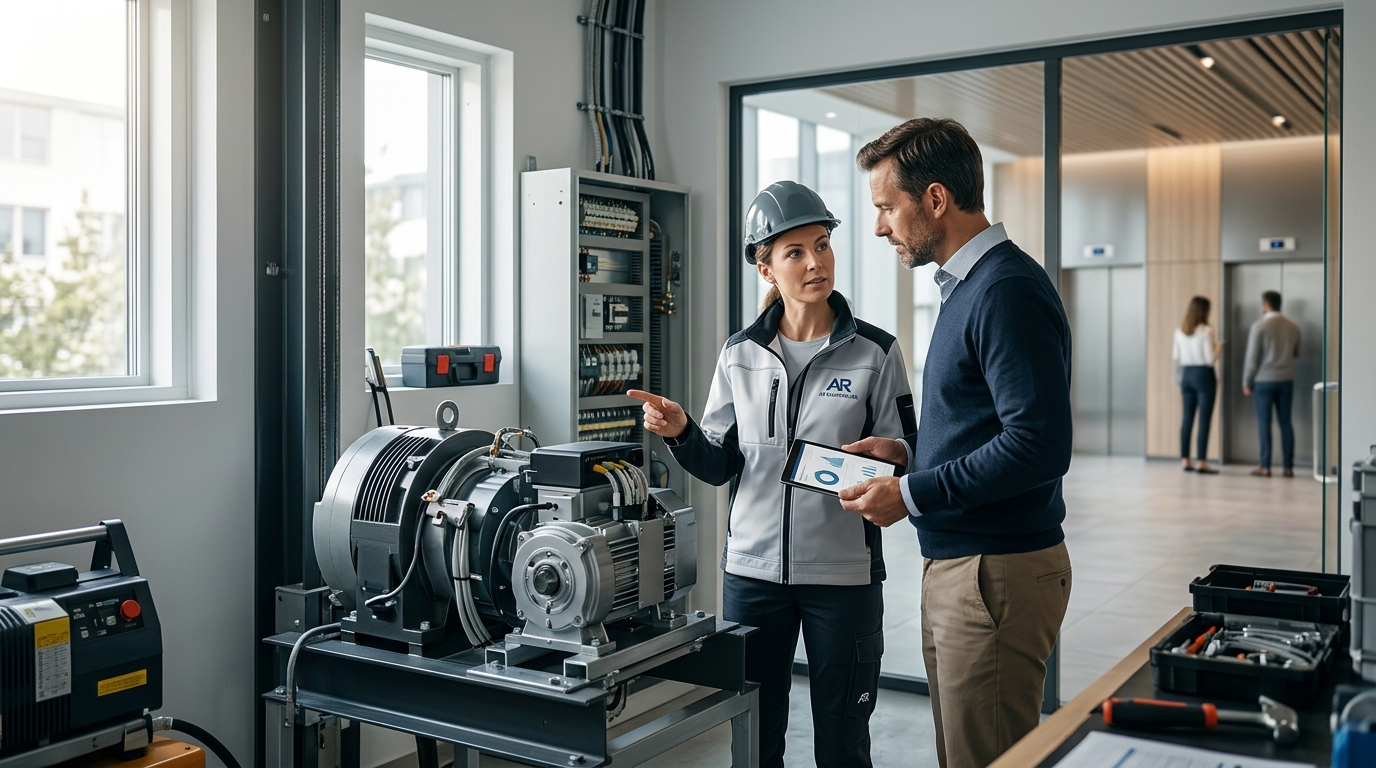
Upgrading an elevator installation system is a critical infrastructure decision that impacts building safety, operational efficiency, and tenant satisfaction. According to recent industry data, modernization projects can reduce energy consumption by up to 50% while significantly extending the lifespan of vertical transportation assets. This guide explores the essential factors property managers and building owners must evaluate to ensure a successful elevator upgrade.
Safety and Regulatory Compliance
The foremost consideration in any elevator upgrade is strict adherence to safety codes. Elevator systems must comply with the latest ASME A17.1 standards, which govern the safety construction of elevators and escalators. Failure to meet these codes can result in severe legal liabilities and operational shutdowns.
For businesses in Nevada, understanding local regulatory nuances is vital. Code compliance services ensure that your system meets both federal and state-specific requirements. Regular inspections are not just a formality; they are a legal mandate to protect public safety.
Addressing Inspection Deficiencies
Before initiating a full upgrade, a thorough inspection is required to identify existing deficiencies. Annual inspection deficiency repair services are crucial for clearing any outstanding issues before work permits expire. This proactive approach prevents costly delays and ensures that the new system is installed on a compliant foundation.
Technology and IoT Integration
Modern elevator systems are no longer just mechanical devices; they are intelligent networks. The integration of Internet of Things (IoT) technology allows for real-time monitoring and predictive maintenance. This shift from reactive to proactive maintenance reduces downtime and extends equipment life.
Smart Elevator Solutions
Smart elevators utilize advanced sensors and connectivity to optimize traffic flow and energy usage. Giga Lift Smart IoT Elevator Services provide a framework for this transformation, enabling building owners to monitor performance metrics remotely. This technology is particularly valuable in high-traffic commercial buildings where efficiency is paramount.
Predictive Maintenance Benefits
Predictive maintenance uses data analytics to forecast when a component might fail. This allows for scheduled repairs during off-peak hours, minimizing disruption to building occupants. According to industry reports, predictive maintenance can reduce emergency call-outs by up to 30%, leading to significant cost savings over time.
Energy Efficiency and Power Consumption
Energy consumption is a major operational cost for building owners. Upgrading to energy-efficient elevator systems can drastically reduce electricity bills and carbon footprints. Modern regenerative drives convert the kinetic energy generated during braking back into usable electricity.
Power Efficient Design
AR Elevator USA specializes in power efficient elevator design that aligns with green building standards. These systems are designed to minimize energy waste without compromising performance or safety. Investing in energy efficiency not only lowers operational costs but also enhances the building's marketability.
Sustainable Vertical Transportation
Sustainable vertical transportation is becoming a key criterion for commercial leases. Tenants increasingly prefer buildings that demonstrate environmental responsibility. Upgrading to eco-friendly elevator technology positions your property as a leader in sustainability.
Modernization vs. Replacement Options
One of the most critical decisions in the upgrade process is whether to modernize the existing system or replace it entirely. Modernization involves upgrading the control systems, motors, and other components while retaining the shaft and car structure. Replacement involves installing a completely new system.
Benefits of Modernization
Modernization is often more cost-effective than full replacement. It allows building owners to upgrade technology without the extensive construction costs associated with new installations. Elevator modernization services can extend the life of the elevator by 15 to 20 years, providing a strong return on investment.
When to Choose Replacement
Replacement is necessary when the existing infrastructure is too outdated or damaged to support modern components. In cases where the elevator shaft is undersized or the building layout has changed significantly, a new installation may be the only viable option.
Vendor Selection and Expertise
Choosing the right service provider is as important as the technical specifications of the upgrade. A reputable vendor should have extensive experience, certified technicians, and a strong track record of safety and reliability.
Local Regulatory Knowledge
Local vendors have a distinct advantage in navigating regional regulations. AR Elevator USA is a family-owned business with deep roots in Nevada, providing tailored solutions that comply with local codes. Their expertise in Nevada state elevator regulations ensures a smoother approval process.
24/7 Emergency Response
Elevator downtime can disrupt business operations and tenant comfort. A reliable vendor offers 24/7 emergency response services. 24/7 emergency service guarantees that any issues are addressed promptly, minimizing disruption and ensuring rider safety.
Cost Analysis and ROI
Understanding the financial implications of an elevator upgrade is essential for budgeting and planning. Costs include equipment, installation, labor, and potential downtime. However, the long-term benefits often outweigh the initial investment.
Return on Investment Factors
ROI is calculated based on energy savings, reduced maintenance costs, and increased property value. Modern elevators consume less energy and require fewer repairs, leading to lower operational expenses. Additionally, updated elevators enhance the building's appeal, potentially increasing rental rates.
Transparent Pricing Models
Transparent pricing is crucial for avoiding hidden costs. Reputable vendors provide detailed quotes that break down all expenses. AR Elevator USA is committed to providing clear, upfront pricing for all projects, ensuring that clients know exactly what they are paying for.
Key Takeaways
- Safety First: Always prioritize compliance with ASME A17.1 standards and local regulations.
- Smart Technology: Integrate IoT for predictive maintenance and real-time monitoring.
- Energy Savings: Upgrade to regenerative drives to reduce energy consumption by up to 50%.
- Vendor Expertise: Choose a local provider with deep regulatory knowledge and 24/7 support.
- Cost Efficiency: Modernization can extend elevator life by 15-20 years at a lower cost than replacement.
- Transparency: Demand detailed, transparent pricing to avoid hidden costs.
- Proactive Maintenance: Regular inspections and deficiency repairs prevent costly downtime.
Frequently Asked Questions
What is the difference between modernization and replacement?
Modernization upgrades the internal components of an existing elevator, while replacement involves installing a completely new system. Modernization is often more cost-effective and less disruptive.
How often should elevator inspections be performed?
Annual inspections are typically required by law. However, regular preventive maintenance checks should be performed more frequently to ensure safety and reliability.
Can IoT technology reduce elevator downtime?
Yes, IoT-enabled predictive maintenance can identify potential issues before they cause failures, significantly reducing unexpected downtime.
What are the benefits of energy-efficient elevators?
Energy-efficient elevators lower electricity bills, reduce carbon footprints, and enhance the building's sustainability profile, making it more attractive to tenants.
How long does an elevator upgrade take?
The duration varies based on the scope of the project. Modernization can take several weeks, while full replacement may take several months. A detailed timeline is provided during the planning phase.
What is the role of a code compliance service?
A code compliance service ensures that the elevator system meets all safety regulations and standards, preventing legal issues and ensuring public safety.
Why is 24/7 emergency response important?
24/7 emergency response ensures that any elevator entrapments or malfunctions are addressed immediately, minimizing risk to riders and disruption to building operations.
Ready to Upgrade Your Elevator System?
Upgrading your elevator system is a strategic investment in safety, efficiency, and tenant satisfaction. Partner with a trusted local expert to navigate the complexities of modernization and compliance. Contact AR Elevator USA today to schedule a consultation and receive a transparent quote for your project.