
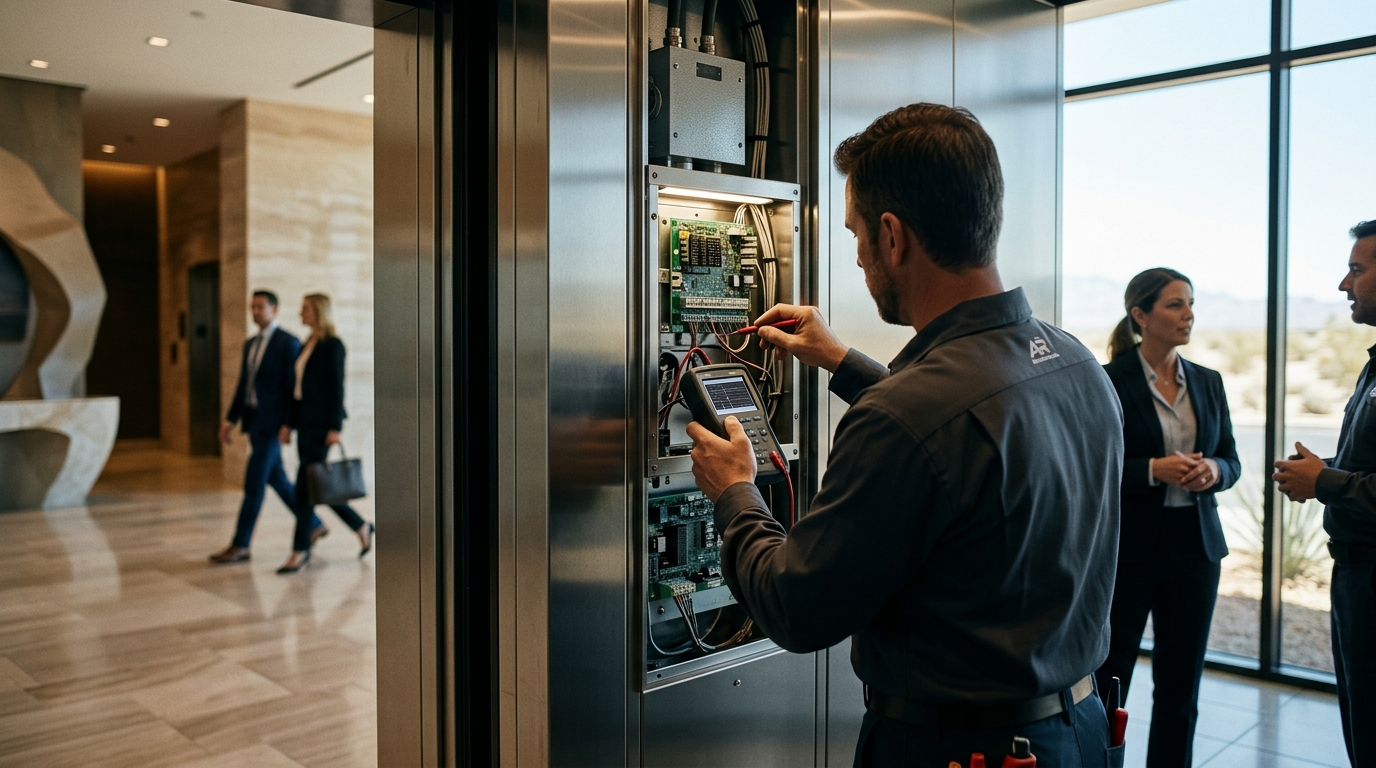
Elevator safety is not merely a regulatory checkbox but a critical operational imperative that protects lives and ensures business continuity. According to recent industry data, regular preventive maintenance reduces elevator breakdowns by up to 50%, directly correlating to higher tenant satisfaction and lower long-term repair costs. In high-traffic commercial environments, a single hour of downtime can result in significant revenue loss and reputational damage. This guide outlines the essential maintenance strategies, compliance frameworks, and technological advancements required to keep vertical transportation systems running safely and efficiently. (About https arelevatorusa com)
The Foundation: Preventive Maintenance Protocols
Preventive maintenance is the cornerstone of elevator reliability. It involves scheduled inspections and servicing to identify potential issues before they escalate into costly failures. This proactive approach ensures that all mechanical, electrical, and safety components function within specified parameters.
Comprehensive System Checks
A thorough maintenance routine includes checking the hoistway, machine room, and car components. Technicians inspect guide rails, buffers, and door operators to ensure smooth operation. Lubrication of moving parts is critical to reduce friction and wear. Regular lubrication extends the lifespan of mechanical components significantly.
Door operators are the most frequently used component and thus the most prone to failure. Sensors and safety edges must be tested regularly to prevent entrapment or injury. Electrical connections are tightened and inspected for signs of corrosion or overheating. This meticulous attention to detail prevents unexpected breakdowns.
Frequency and Documentation
Maintenance frequency depends on the elevator type, usage intensity, and manufacturer recommendations. Typically, monthly or quarterly inspections are standard for commercial buildings. Detailed logs of every inspection, repair, and part replacement are essential for tracking the elevator's health over time. These records also serve as proof of compliance during regulatory audits.
Navigating ASME Standards and Code Compliance
Compliance with safety codes is non-negotiable in the elevator industry. Elevator codes are designed to protect passengers and ensure the structural integrity of the system. Understanding these standards is vital for building owners and facility managers.
ASME A17.1 and A17.3 Codes
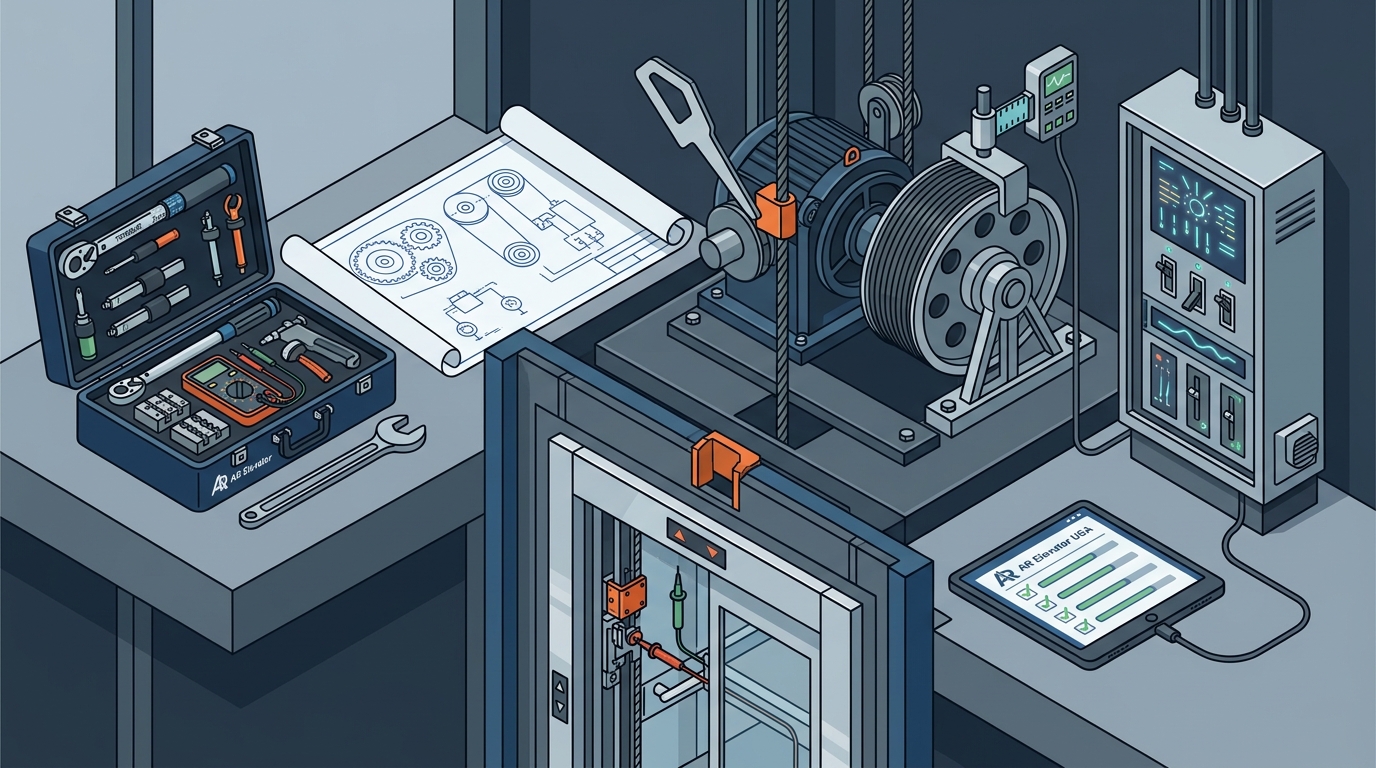
The American Society of Mechanical Engineers (ASME) sets the national safety code for elevators and escalators. ASME A17.1 is the primary safety code for elevators and escalators. It covers design, construction, installation, operation, inspection, testing, maintenance, alteration, and repair. ASME A17.3 addresses the safety of existing elevators and escalators, providing guidelines for modernization and periodic inspection.
Adhering to these codes ensures that elevators meet rigorous safety benchmarks. Non-compliance can result in severe penalties, legal liability, and increased risk of accidents. Regular code compliance inspections are mandatory in many jurisdictions, including Nevada.
Annual Inspection and Deficiency Repair
Annual inspections are required by law in most states. These inspections are conducted by certified professionals who evaluate the elevator against current safety codes. Any deficiencies identified during the inspection must be repaired promptly to avoid work permit expiration issues. Annual Inspection Deficiency Repair Services ensure that all identified issues are resolved before the permit expires.
Deficiency repairs can range from minor adjustments to major component replacements. Addressing these issues promptly prevents further damage and ensures continued safe operation. Building owners should work with experienced providers who understand local regulations.
Smart Technology: IoT and Predictive Maintenance
The integration of Internet of Things (IoT) technology is revolutionizing elevator maintenance. Smart elevators can monitor their own health in real-time, providing data that enables predictive maintenance. This shift from reactive to proactive maintenance reduces downtime and extends equipment life.
Giga Lift Smart IoT Services
AR Elevator USA offers Giga Lift Smart IoT Elevator Services that provide intelligent monitoring and connectivity. These systems track key performance indicators such as vibration, temperature, and door cycle counts. Real-time data allows technicians to diagnose issues remotely and schedule repairs before failures occur.
Predictive Maintenance Benefits
Predictive maintenance uses data analytics to forecast when a component is likely to fail. This approach minimizes unplanned downtime and optimizes maintenance schedules. Smart building technologies have been shown to reduce energy consumption and operational costs. By leveraging IoT, building owners can achieve higher uptime and improved passenger experience.
Smart elevators also enhance safety by detecting anomalies that human inspectors might miss. For example, unusual motor currents can indicate impending gear failure. Early detection allows for timely intervention, preventing catastrophic breakdowns.
Emergency Preparedness and Rapid Response
Despite best efforts, elevator entrapments can occur. Having a robust emergency response plan is crucial for ensuring passenger safety and comfort. Rapid response times are a key differentiator for reputable elevator service providers.
24/7 Emergency Service
AR Elevator USA provides 24/7 Emergency Service for all elevator types. This includes rapid response to entrapments and mechanical failures. A 1-hour response guarantee ensures that passengers are not left waiting for extended periods. Quick resolution minimizes stress and potential liability for building owners.
Communication and Protocols
Effective communication during an emergency is vital. Elevators should be equipped with working two-way communication systems. Passengers must be instructed on how to use these systems and what to expect during a rescue. Regular drills and staff training enhance the effectiveness of emergency protocols.
Building management should maintain up-to-date contact information for all service providers. Clear chains of command ensure that emergencies are handled efficiently and professionally.
When to Upgrade: Modernization vs. Repair
As elevators age, they may require modernization to meet current safety codes and efficiency standards. Deciding between repair and modernization depends on the elevator's condition, usage, and the building's needs.
Signs It's Time to Modernize
Frequent breakdowns, outdated technology, and high energy consumption are signs that an elevator may need modernization. Elevator Modernization Services can upgrade control systems, motors, and doors to improve performance and reliability. Modernized elevators often look and feel like new, enhancing the building's aesthetic appeal.
Energy Efficiency and Sustainability
Older elevators are often energy-intensive. Modernizing with power-efficient components can significantly reduce electricity usage. Green building solutions contribute to sustainability goals and lower operating costs. Energy regeneration systems can even feed power back into the building's grid.
Modernization also ensures compliance with the latest safety codes. Older elevators may lack modern safety features such as seismic sensors or advanced door protection. Upgrading these systems protects passengers and reduces liability.
Key Takeaways
- Preventive Maintenance: Regular inspections and lubrication are essential for reliability and longevity.
- Code Compliance: Adherence to ASME A17.1 and A17.3 standards is mandatory for safety and legal compliance.
- IoT Integration: Smart monitoring enables predictive maintenance, reducing downtime and extending equipment life.
- Emergency Response: 24/7 rapid response services are critical for passenger safety and satisfaction.
- Modernization: Upgrading aging systems improves efficiency, safety, and aesthetic appeal.
- Documentation: Detailed maintenance logs are vital for tracking health and proving compliance.
- Local Expertise: Understanding local regulations, such as Nevada's MCS 2301, is crucial for compliance.
Frequently Asked Questions
How often should an elevator be inspected?
Elevators typically require monthly or quarterly preventive maintenance inspections. Annual safety inspections are mandated by law in most jurisdictions to ensure compliance with safety codes.
What is the difference between preventive and predictive maintenance?
Preventive maintenance is scheduled based on time or usage intervals. Predictive maintenance uses real-time data from IoT sensors to forecast failures and schedule repairs only when necessary.
Why is ASME compliance important for elevators?
ASME compliance ensures that elevators meet rigorous safety standards, protecting passengers from accidents and ensuring structural integrity. Non-compliance can lead to legal penalties and increased risk of injury.
How does IoT technology improve elevator safety?
IoT technology monitors elevator components in real-time, detecting anomalies that indicate potential failures. This allows for proactive repairs before breakdowns occur, enhancing safety and reliability.
What are the benefits of elevator modernization?
Modernization improves energy efficiency, enhances safety features, and updates outdated technology. It can also extend the lifespan of the elevator and improve the building's aesthetic appeal.
What should I do if my elevator breaks down?
Use the emergency communication system to contact building management or the service provider. Remain calm and wait for professional assistance. Do not attempt to exit the elevator on your own.
How can I reduce elevator maintenance costs?
Regular preventive maintenance and predictive monitoring can reduce unexpected repair costs. Choosing energy-efficient components and modernizing outdated systems can also lower long-term operating expenses.
Ensure Your Elevator's Safety and Reliability Today
Don't wait for a breakdown to prioritize your elevator's maintenance. Partner with AR Elevator USA for comprehensive, code-compliant solutions tailored to your building's needs. From preventive maintenance to smart modernization, we ensure your vertical transportation is safe, reliable, and efficient. Contact us today to schedule your inspection or request a quote for modernization services.