
Elevator Modernization ROI: Benefits, Cost Savings & Smart Upgrades
Building owners in Nevada and the Western United States face a critical financial crossroads when managing aging vertical transportation infrastructure. According to industry data, elevator modernization projects typically deliver a return on investment (ROI) within 3 to 5 years through reduced energy consumption and lower maintenance costs. This financial turnaround is not merely a theoretical projection but a measurable outcome of integrating smart technology with mechanical upgrades. For property managers, understanding the tangible benefits of modernization is essential for protecting asset value and ensuring regulatory compliance.
Why Modernization is Critical for Asset Value
Elevator systems are the backbone of any multi-story commercial or residential building. As these systems age, their efficiency declines, leading to higher operational costs and increased risk of failure. Modernization is the process of upgrading these systems to meet current safety codes and technological standards without the need for a complete replacement. This approach preserves the structural integrity of the hoistway while introducing cutting-edge components.
For building owners, the decision to modernize is driven by the need to maintain property value. An outdated elevator system can negatively impact tenant satisfaction and lease rates. Conversely, a modernized system enhances the building's marketability. AR Elevator USA specializes in delivering these tailored solutions, ensuring that every upgrade aligns with the specific operational needs of the facility.
The benefits extend beyond aesthetics. Modernization addresses the root causes of frequent breakdowns, such as worn mechanical parts and obsolete control systems. By replacing these components, building owners can significantly reduce the frequency of emergency calls and service interruptions. This reliability is crucial for maintaining a positive reputation in competitive real estate markets.
Energy Efficiency and Power Savings
One of the most immediate financial benefits of elevator modernization is the dramatic reduction in energy consumption. Older elevator systems, particularly those with traditional gearless traction or hydraulic drives, are notoriously inefficient. They consume large amounts of electricity to move heavy loads, contributing significantly to a building's overall utility bills.
Modern upgrades often include the installation of regenerative drives. These devices capture the kinetic energy generated when the elevator car descends or the counterweight lowers, converting it back into electricity that can be fed back into the building's power grid. This process can reduce energy usage by up to 70 percent compared to older systems. For large commercial buildings, this translates to substantial annual savings on electricity costs.
Additionally, modern motors and power supplies are designed to operate with higher efficiency ratings. They draw less power during startup and operation, further lowering the building's carbon footprint. This shift toward green building solutions is not only cost-effective but also aligns with increasing regulatory demands for sustainability. AR Elevator USA Power Efficiency programs focus on implementing these eco-friendly technologies to maximize savings.
Smart IoT and Predictive Maintenance
The integration of Internet of Things (IoT) technology into elevator systems represents a paradigm shift in facility management. Smart elevators are equipped with sensors that continuously monitor key performance indicators, such as motor temperature, vibration levels, and door cycle counts. This data is transmitted in real-time to a central monitoring platform.
Predictive maintenance is the core benefit of this connectivity. Instead of waiting for a component to fail, technicians can identify potential issues before they occur. For example, if a sensor detects unusual vibration in a guide rail, the system can alert maintenance teams to inspect and adjust the rail before it causes a breakdown. This proactive approach minimizes downtime and extends the lifespan of the equipment.
Giga Lift Smart IoT Elevator Services provide building owners with real-time visibility into their elevator's health. This transparency allows for better budgeting and resource allocation, as repairs can be scheduled during off-peak hours rather than as emergency interventions. The result is a smoother, more reliable experience for building occupants.
Regulatory Compliance and Safety Standards
Elevator safety codes are constantly evolving to address new risks and technological advancements. In Nevada, compliance with state regulations and national standards is mandatory for all elevator operations. Failure to comply can result in heavy fines, legal liability, and even the shutdown of the elevator system.
Modernization ensures that your elevator meets the latest ASME A17.1, A17.2, and A17.3 standards. These codes cover everything from emergency communication systems to fire service operations. By upgrading your system, you eliminate the risk of falling behind on regulatory requirements, which can be costly and disruptive to address retroactively.
Furthermore, modern elevators are equipped with advanced safety features that were not available in older models. These include improved door reopening sensors, seismic protection systems, and enhanced emergency braking mechanisms. These features protect passengers and reduce the likelihood of accidents, thereby lowering insurance premiums and liability risks for building owners.
Calculating Your Modernization ROI
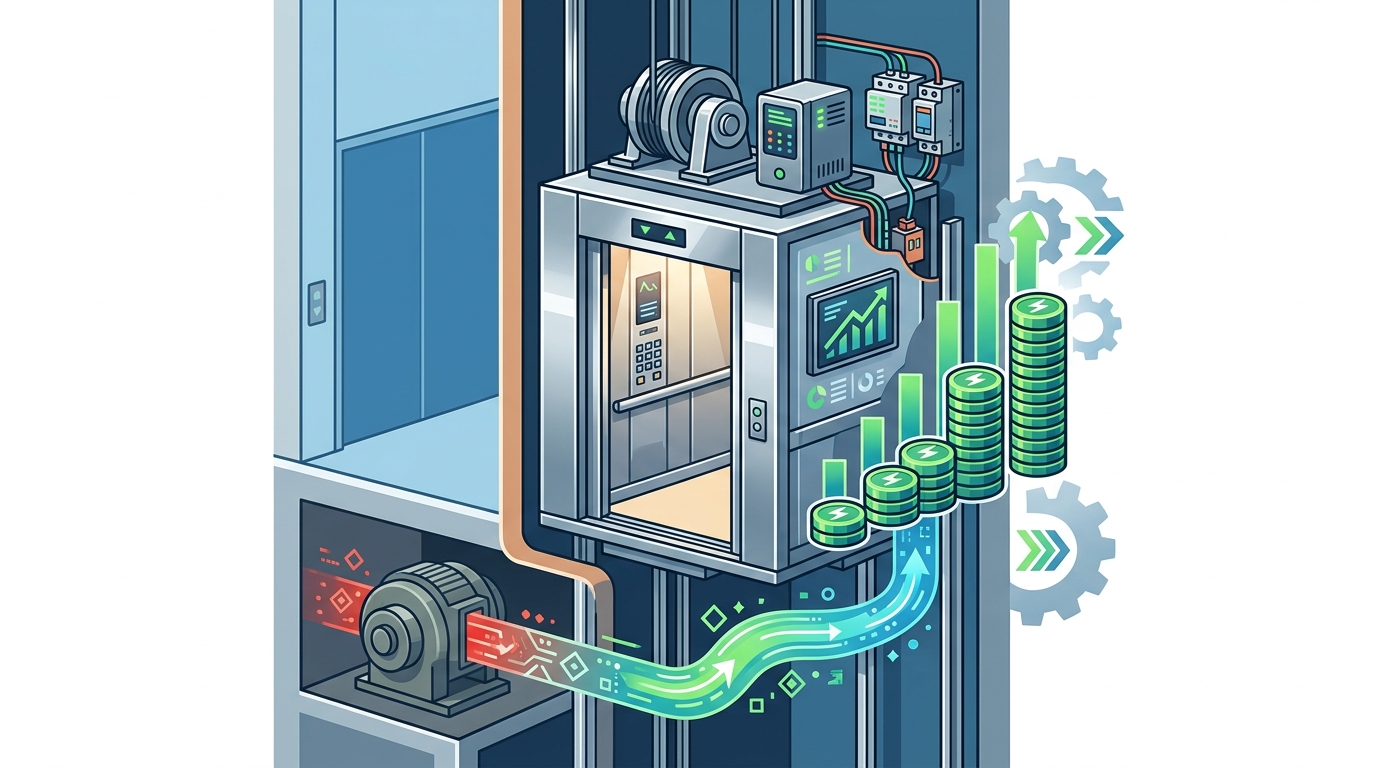
Understanding the return on investment for elevator modernization requires a detailed analysis of costs versus savings. The initial investment includes the cost of new components, labor, and project management. However, the long-term savings often outweigh these upfront costs significantly.
Key factors in calculating ROI include:
- Energy Savings: The reduction in electricity bills due to regenerative drives and efficient motors.
- Maintenance Cost Reduction: Fewer emergency calls and extended intervals between major repairs.
- Increased Property Value: Higher lease rates and improved tenant retention due to reliable transportation.
- Regulatory Avoidance: Avoiding fines and costly retrofits required by new codes.
For many building owners, the payback period for a modernization project is between 3 and 5 years. After this period, the savings continue to accumulate, providing a net positive financial impact for the remaining life of the elevator system. Annual Inspection Deficiency Repair Services can also be part of a phased modernization plan, helping to spread costs over time while addressing immediate compliance issues.
Modernization vs. Replacement Analysis
Building owners often debate whether to modernize their existing elevator or replace it entirely. While replacement is sometimes necessary for severely degraded systems, modernization is often the more financially prudent choice.
| Factor | Modernization | Full Replacement |
|---|---|---|
| Cost | Lower (60-70% of replacement) | Higher (Full hardware and labor) |
| Downtime | Minimal (Phased installation) | Significant (Full system removal) |
| Structural Changes | None required | May require shaft modifications |
| Technology | Latest IoT and Smart Features | Latest IoT and Smart Features |
| ROI Timeline | 3-5 Years | 5-7 Years |
Modernization allows you to retain the existing hoistway and machine room infrastructure, which can be expensive to modify or rebuild. It also minimizes disruption to building occupants, as the work can be done in phases. For most buildings, modernization offers the best balance of cost, performance, and minimal disruption.
Key Takeaways
- Elevator modernization typically delivers an ROI within 3 to 5 years through energy and maintenance savings.
- Regenerative drives can reduce elevator energy consumption by up to 70 percent.
- Smart IoT technology enables predictive maintenance, reducing unexpected downtime.
- Modernization ensures compliance with ASME A17.1, A17.2, and A17.3 safety standards.
- Modernization costs approximately 60-70 percent of a full replacement, with less downtime.
- AR Elevator USA provides specialized services for Nevada and Western US buildings.
- Upgrading elevators enhances property value and tenant satisfaction.
Frequently Asked Questions
How long does an elevator modernization project take?
The timeline varies based on the scope of work, but most modernization projects can be completed in 4 to 8 weeks with minimal disruption to building operations.
What is the average cost of elevator modernization?
Costs depend on the elevator type and size, but modernization is generally 60-70 percent less expensive than a full replacement, offering a faster payback period.
Does modernization improve elevator safety?
Yes, modernization updates the system to meet current ASME safety codes, including improved emergency communication and braking systems.
Can I add smart technology to my existing elevator?
Absolutely. IoT sensors and smart monitoring systems can be integrated into most modernized elevators to enable predictive maintenance and real-time monitoring.
Why is energy efficiency important for elevator upgrades?
Energy-efficient elevators reduce utility bills and carbon footprint, with regenerative drives capable of saving up to 70 percent on energy usage.
What is the difference between modernization and repair?
Repair addresses specific failures, while modernization upgrades the entire system for long-term efficiency, safety, and compliance.
How does modernization affect property value?
Modernized elevators enhance building aesthetics and reliability, leading to higher tenant satisfaction and increased property valuation.
Is 24/7 emergency support available during modernization?
Yes, reputable providers like AR Elevator USA offer 24/7 emergency support to ensure building safety during the transition.
Ready to Maximize Your Elevator ROI?
Don't let aging infrastructure drain your resources and compromise safety. Partner with AR Elevator USA for expert elevator modernization services that deliver measurable financial returns and enhanced building performance. Contact us today to schedule a consultation and discover how we can transform your vertical transportation system.