

Vertical transportation is a critical infrastructure component for any commercial or residential building in the Las Vegas area. According to recent industry data, the global elevator and escalator market is projected to reach significant growth by 2030, driven by urbanization and modernization needs. Choosing the wrong system can lead to excessive energy costs, frequent breakdowns, and non-compliance with local safety codes. This guide compares hydraulic and traction elevators to help building owners in Nevada make an informed decision. (About https arelevatorusa com)
Understanding Hydraulic Elevator Systems
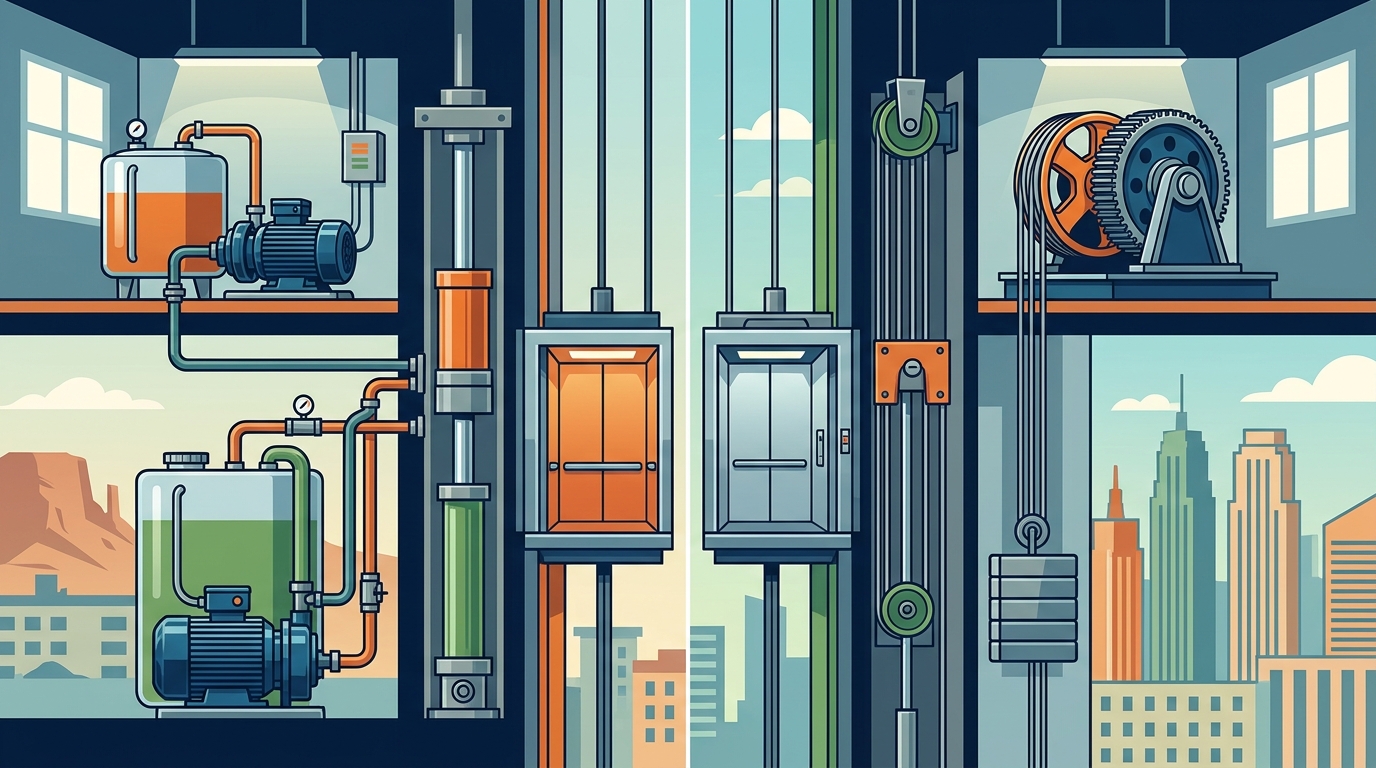
Hydraulic elevators have long been a staple in low-rise buildings. They operate using a piston and cylinder mechanism that pushes the elevator car up from below. This system is often compared to a car jack, providing a smooth and steady ride. For buildings with fewer than six floors, hydraulic systems are frequently the preferred choice due to their simplicity and lower initial installation costs. (Elevator Annual Inspection amp)
Hydraulic elevators are particularly popular in commercial settings like shopping centers and office buildings in Henderson and Las Vegas. They do not require a machine room at the top of the shaft, which allows for more flexible architectural designs. However, they do require a machine room at the base of the shaft to house the hydraulic power unit.
One of the primary advantages of hydraulic systems is their reliability in power outages. Many modern hydraulic units include battery backups or manual pumps that allow the car to return to the nearest floor and open the doors, ensuring passenger safety. This feature is crucial in regions where extreme weather events can occasionally impact power grids.
Analyzing Traction Elevator Technology
Traction elevators use a completely different mechanism. They rely on steel ropes or belts that wrap around a sheave (pulley) connected to an electric motor. Counterweights balance the weight of the car and its load, making the system more energy-efficient than hydraulic models. Traction elevators are the standard for mid-rise and high-rise buildings, typically those with more than six floors.
There are two main types of traction elevators: machine-room-less (MRL) and traditional machine-room. MRL elevators have become increasingly popular in modern construction because the machinery is housed within the shaft itself, saving valuable real estate space. This is especially beneficial in dense urban environments like downtown Las Vegas, where every square foot counts.
Traction elevators offer faster travel speeds and smoother rides compared to hydraulic systems. They are also more environmentally friendly, as they do not use hydraulic oil, which can leak and cause environmental contamination. For building owners focused on sustainability, traction elevators are often the superior choice.
Energy Efficiency and Power Consumption
Energy efficiency is a major concern for building operators in Nevada, where cooling costs can be substantial. Hydraulic elevators consume more energy because the motor must work continuously to lift the piston against gravity. In contrast, traction elevators use regenerative drives that can feed energy back into the building’s power grid during descent, reducing overall consumption.
According to energy efficiency reports, modern traction elevators can reduce energy usage by up to 75% compared to older hydraulic models. This reduction not only lowers utility bills but also contributes to green building certifications like LEED. AR Elevator USA offers power-efficient elevator solutions that prioritize sustainability without compromising performance.
For high-traffic buildings, the energy savings of traction elevators become even more significant. The counterweight system reduces the load on the motor, allowing it to operate more efficiently. This is particularly important in commercial buildings where elevators are used frequently throughout the day.
Maintenance Costs and Longevity
When comparing hydraulic and traction elevators, maintenance costs are a critical factor. Hydraulic systems require regular oil changes and seal replacements to prevent leaks. Over time, hydraulic fluid can degrade, leading to reduced performance and potential environmental hazards. The cost of disposing of used hydraulic oil also adds to the long-term expenses.
Traction elevators, on the other hand, have fewer moving parts in contact with the car. They require less frequent maintenance, primarily focusing on the ropes, sheaves, and motor. This results in lower long-term maintenance costs and fewer disruptions to building operations. AR Elevator USA provides comprehensive preventive maintenance services to ensure your elevator system remains in optimal condition.
The lifespan of a traction elevator is generally longer than that of a hydraulic system. With proper maintenance, traction elevators can last for decades, whereas hydraulic systems may require more frequent major repairs or replacements. This longevity makes traction elevators a more cost-effective option for building owners in the long run.
Nevada Code Compliance and Safety
Nevada has strict elevator safety codes that all building owners must adhere to. These codes are based on ASME A17.1 standards, which outline safety requirements for the construction, installation, and maintenance of elevators. Non-compliance can result in fines, legal liabilities, and increased risk of accidents.
AR Elevator USA specializes in code compliance services for Nevada, ensuring that all elevator installations and modifications meet local and federal regulations. Whether you are installing a new hydraulic or traction system, our team of certified technicians will guide you through the compliance process.
Safety is paramount in elevator design. Both hydraulic and traction systems must include emergency braking systems, communication devices, and regular inspections. Annual inspections are required by law in Nevada, and our team provides comprehensive inspection services to ensure your elevator remains safe and operational.
Comparison Summary Table
| Feature | Hydraulic Elevators | Traction Elevators |
|---|---|---|
| Best For | Low-rise buildings (1-6 floors) | Mid-to-high-rise buildings (6+ floors) |
| Energy Efficiency | Lower | Higher (up to 75% savings) |
| Maintenance Cost | Higher (oil changes, seal replacements) | Lower (fewer moving parts) |
| Installation Speed | Faster | Slower (complex setup) |
| Environmental Impact | Higher (hydraulic oil risks) | Lower (eco-friendly) |
| Travel Speed | Slower | Faster |
Key Takeaways
- Hydraulic elevators are ideal for low-rise buildings due to lower initial costs and simpler installation.
- Traction elevators offer superior energy efficiency, making them better for high-rise and eco-conscious projects.
- Nevada requires strict adherence to ASME A17.1 safety codes for all elevator systems.
- AR Elevator USA provides 24/7 emergency response with a 1-hour guarantee for Southern Nevada.
- Modernization of aging hydraulic systems to traction or smart IoT systems can significantly reduce maintenance costs.
- Regular preventive maintenance is essential to extend the lifespan of any elevator system.
- AR Elevator USA has over 8 years of experience serving Nevada and the Western region.
Frequently Asked Questions
Which is better for a 4-story building in Las Vegas?
For a 4-story building, hydraulic elevators are often the better choice due to their lower installation cost and suitability for low-rise applications. However, if energy efficiency is a priority, a small traction system may be considered.
How often do hydraulic elevators need oil changes?
Hydraulic elevators typically require oil changes every 1 to 2 years, depending on usage and environmental conditions. Regular monitoring of oil quality is essential to prevent leaks and maintain performance.
Can I convert my hydraulic elevator to a traction system?
Yes, it is possible to modernize a hydraulic elevator into a traction or machine-room-less (MRL) system. This process can significantly improve energy efficiency and reduce long-term maintenance costs.
What are the Nevada elevator inspection requirements?
Nevada requires annual inspections for all commercial and residential elevators. These inspections must be conducted by certified technicians and must comply with ASME A17.1 standards.
Does AR Elevator USA offer 24/7 emergency service?
Yes, AR Elevator USA provides 24/7 emergency response services with a 1-hour response guarantee for entrapped passengers in Southern Nevada.
What is the lifespan of a traction elevator?
With proper maintenance, a traction elevator can last 20 to 30 years or more. Regular preventive maintenance is key to maximizing its lifespan.
Are smart IoT elevators worth the investment?
Smart IoT elevators offer predictive maintenance, real-time monitoring, and enhanced safety features. They can reduce downtime and improve energy efficiency, making them a worthwhile investment for modern buildings.
How do I choose between hydraulic and traction for a new build?
Consider the number of floors, expected traffic, energy efficiency goals, and budget. AR Elevator USA can provide a detailed consultation to help you make the best decision for your specific project.
Contact AR Elevator USA
Choosing the right elevator system is a critical decision that impacts your building’s safety, efficiency, and value. AR Elevator USA is Nevada’s leading expert in elevator installation, modernization, and maintenance. We offer transparent pricing, code compliance expertise, and 24/7 emergency support.
Ready to upgrade your vertical transportation? Contact AR Elevator USA today to schedule a consultation or request a quote. Our team is ready to help you design, install, and maintain the perfect elevator solution for your building.