
Common Elevator Installation Mistakes in the Western Region and How to Avoid Them
Vertical transportation infrastructure in the Western United States faces unique engineering challenges that generic installation protocols often overlook. According to industry safety data, improper installation and lack of preventive maintenance account for a significant percentage of elevator entrapments and mechanical failures annually. For property managers and developers in Nevada, Arizona, and California, understanding these technical pitfalls is not just a matter of convenience but a critical component of public safety and regulatory compliance. This guide details the most frequent errors made during elevator supply and installation, providing actionable strategies to ensure your system operates safely and efficiently for decades. (Contact https arelevatorusa com)
Ignoring Regional Regulatory Compliance
One of the most costly mistakes in the Western region is failing to adhere to strict local and state elevator codes. Elevator systems must comply with ASME A17.1, A17.2, and A17.3 standards, which dictate safety protocols for installation and testing. In Nevada, for example, the Mechanical Code (MCS 2301) imposes specific requirements that differ from neighboring states. Property owners who skip professional code compliance consultancy often face failed inspections, costly retrofits, and potential liability issues. (Annual Inspection Deficiency Repair)
To avoid this, always engage a licensed, full-service elevator partner who specializes in local regulatory frameworks. AR Elevator USA provides professional compliance consultancy solutions for Nevada state elevator regulations, ensuring that every installation meets or exceeds the required safety benchmarks. This proactive approach prevents work permit expiration issues and ensures your building remains legally operational.
Inadequate Pit Preparation and Waterproofing
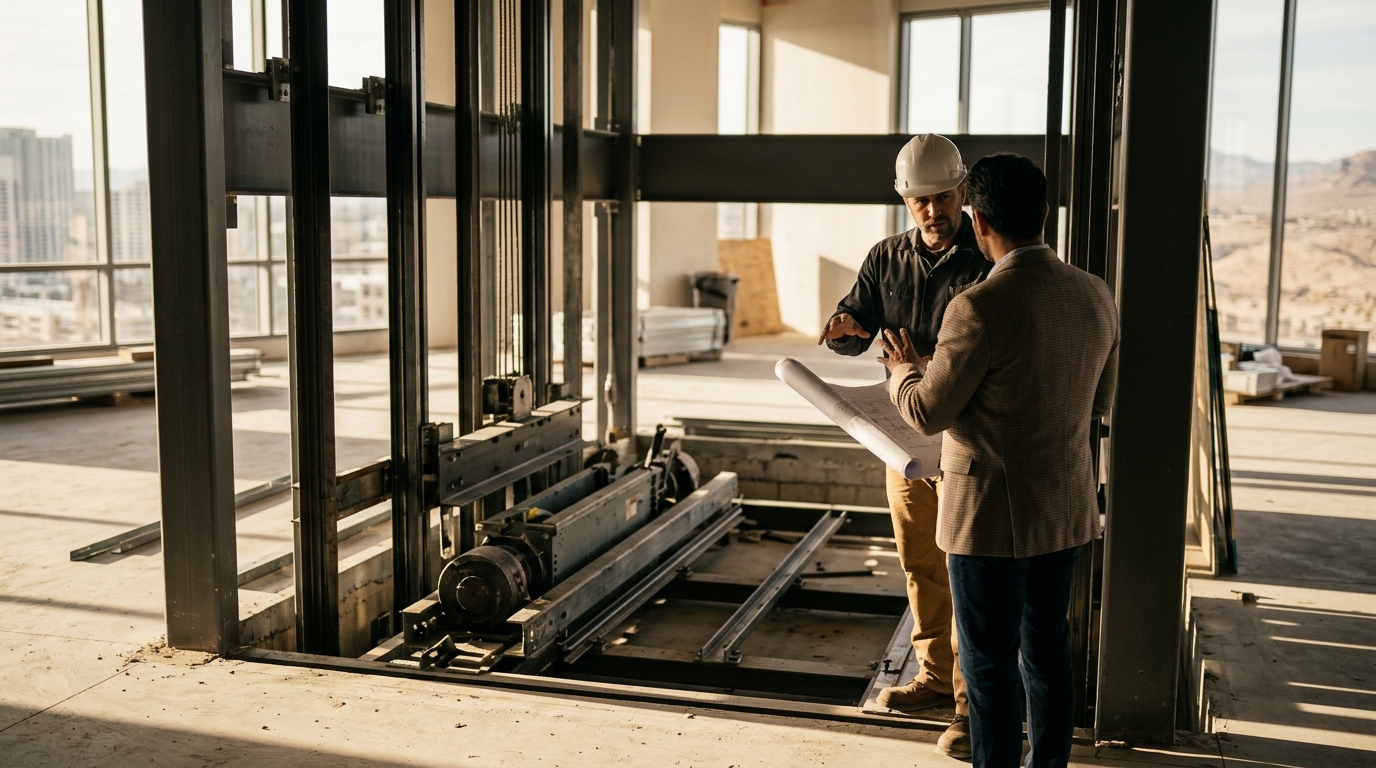
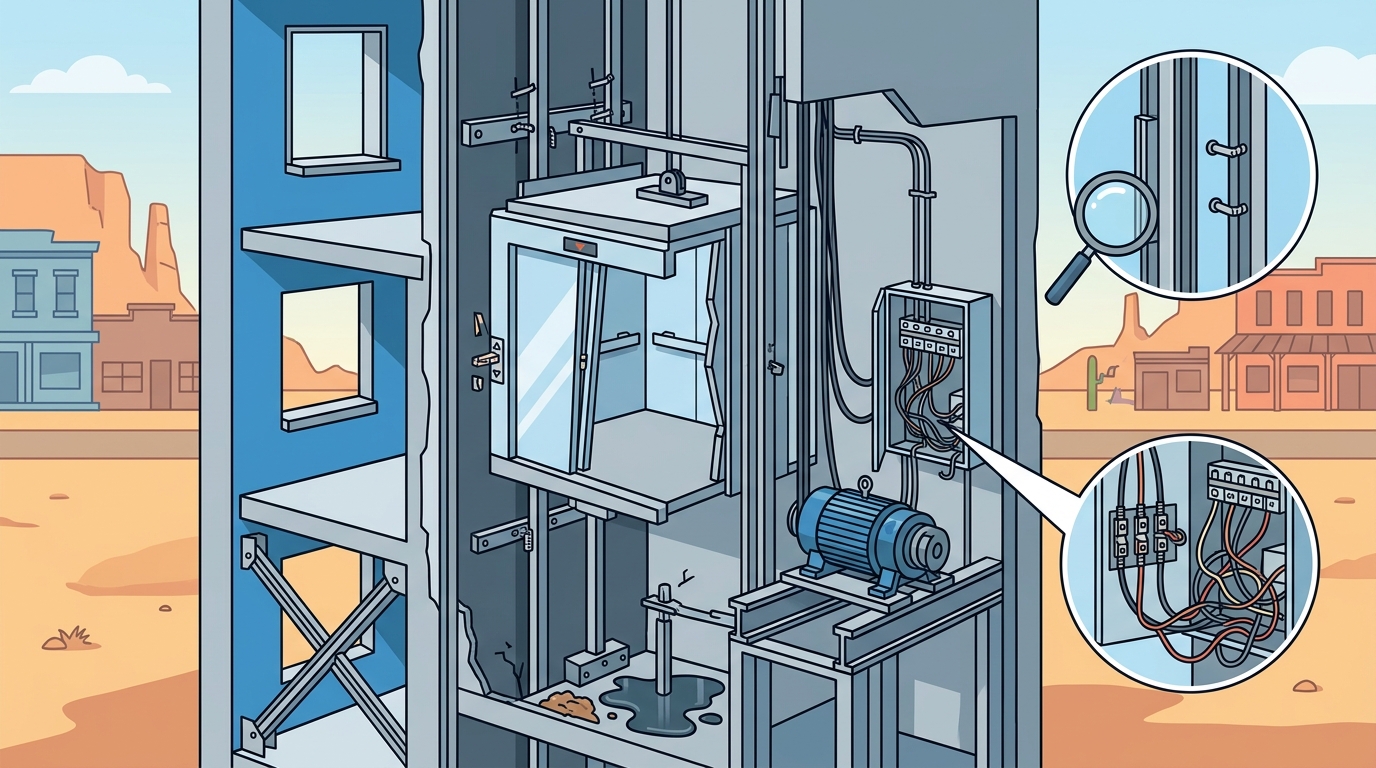
The elevator pit is the foundation of the vertical transportation system, yet it is frequently neglected during the construction phase. In the Western region, where seismic activity and varying soil compositions are common, improper pit preparation can lead to structural misalignment and equipment failure. Furthermore, inadequate waterproofing can result in water ingress, which damages electrical components and creates safety hazards.
Proper pit preparation involves rigorous structural analysis and the installation of high-quality waterproofing membranes. This step is critical for hydraulic and traction elevator systems alike. By prioritizing pit integrity during the initial survey, developers can prevent costly emergency repairs and extend the lifespan of the elevator machinery. Regular annual inspection and testing services can also identify early signs of pit degradation before they become critical failures.
Ignoring Climate Impact on Equipment
The Western region experiences extreme temperature fluctuations, from scorching desert heat to significant seasonal variations. These environmental factors directly impact elevator performance. Heat can cause thermal expansion in guide rails and affect the viscosity of hydraulic fluids, leading to erratic movement or system overheating. Conversely, cold snaps can affect battery backups and electronic control boards.
To mitigate these risks, equipment must be selected and installed with climate-specific considerations. This includes using heat-resistant components for hydraulic systems and ensuring that control panels are housed in climate-controlled environments. AR Elevator USA focuses on power efficiency and sustainable vertical transportation solutions that are designed to withstand the specific challenges of the Western climate. Choosing equipment rated for local environmental conditions ensures consistent performance and reduces energy consumption.
Poor IoT and Smart Technology Integration
Modern elevator systems rely heavily on Internet of Things (IoT) connectivity for predictive maintenance and real-time monitoring. A common mistake is installing legacy systems or failing to properly integrate smart technology during the initial setup. Without proper IoT integration, building owners lose the ability to monitor elevator health proactively, leading to unexpected breakdowns and increased downtime.
Giga Lift Smart IoT Elevator Services offer intelligent solutions that connect your elevator to a central monitoring platform. This technology enables predictive maintenance, allowing technicians to address issues before they cause an entrapment. By leveraging smart building technology, property managers can achieve higher uptime and provide a safer experience for riders. AR Elevator USA specializes in transforming aging elevators into smart, efficient systems using cutting-edge IoT technology, ensuring that your investment remains future-proof.
Neglecting Power Efficiency and Load Balancing
Energy consumption is a major operational cost for commercial buildings. Many installations overlook the importance of power efficiency, resulting in systems that are overly energy-intensive. This mistake is particularly prevalent in high-traffic commercial buildings where elevators run continuously. Inefficient motors, outdated drive systems, and poor load balancing contribute to higher utility bills and a larger carbon footprint.
Implementing energy-saving elevator technologies can significantly reduce operational costs. This includes using regenerative drives that convert braking energy back into the building's power grid, and selecting motors with high efficiency ratings. AR Elevator USA Power Efficiency solutions focus on green building standards and eco-friendly technology, helping property owners meet sustainability goals while reducing expenses. Proper load balancing also ensures that the elevator operates smoothly, reducing wear and tear on mechanical components.
Choosing the Wrong Lift Type for the Application
Selecting the appropriate elevator type is fundamental to the success of any installation. Common mistakes include choosing hydraulic elevators for high-rise buildings where they are inefficient, or selecting traction elevators for low-rise applications where they may be unnecessarily complex. Each elevator type has specific strengths and limitations that must align with the building's height, traffic patterns, and structural constraints.
For example, Machine-Room-Less (MRL) elevators are ideal for mid-rise buildings where space is at a premium. Platform lifts and Vertical Reciprocating Conveyors (VRC) are essential for freight and industrial applications. AR Elevator USA offers a comprehensive portfolio of elevator types, including passenger, freight, hydraulic, traction, and residential elevators. By conducting a thorough initial survey, experts can recommend the optimal solution that balances performance, cost, and space requirements.
Key Takeaways
- Regulatory Compliance is Non-Negotiable: Always adhere to ASME A17.1, A17.2, and A17.3 standards, and consult local codes like Nevada's MCS 2301 to avoid legal and safety issues.
- Pit Integrity is Critical: Proper waterproofing and structural preparation of the elevator pit prevent water damage and ensure long-term mechanical stability.
- Climate-Specific Equipment: Choose components rated for Western region temperature extremes to prevent thermal expansion issues and fluid viscosity problems.
- IoT Integration Enhances Safety: Implementing Giga Lift Smart IoT services enables predictive maintenance, reducing unexpected downtime and entrapment risks.
- Power Efficiency Saves Money: Utilizing regenerative drives and energy-efficient motors lowers utility costs and supports green building certifications.
- Right Fit for the Building: Match the elevator type (hydraulic, traction, MRL) to the building's height and traffic patterns for optimal performance.
- Professional Oversight: Engage licensed, full-service partners for code compliance, annual inspections, and 24/7 emergency response to ensure continuous safety.
Frequently Asked Questions
What are the most common elevator installation mistakes in the Western region?
The most common mistakes include ignoring regional regulatory compliance, inadequate pit preparation, failing to account for climate impacts, and poor IoT integration. These errors can lead to safety hazards, increased downtime, and higher operational costs.
How does climate affect elevator installation in the Western United States?
Extreme temperatures can cause thermal expansion in guide rails and affect hydraulic fluid viscosity. Equipment must be selected and installed with climate-specific considerations, such as heat-resistant components and climate-controlled control panels, to ensure consistent performance.
Why is IoT integration important for modern elevator systems?
IoT integration enables predictive maintenance and real-time monitoring, allowing technicians to address issues before they cause an entrapment. This technology significantly reduces downtime and enhances rider safety by providing continuous data on elevator health.
What is the difference between hydraulic and traction elevators?
Hydraulic elevators use a piston and fluid to move the car and are typically used for low-rise buildings. Traction elevators use cables and counterweights and are more efficient for mid-to-high-rise applications. Machine-Room-Less (MRL) systems are a modern variant of traction elevators that save space.
How often should an elevator be inspected in Nevada?
Elevators in Nevada must undergo annual inspection and testing services to ensure compliance with state regulations and ASME standards. Regular inspections help identify deficiencies early and ensure the system remains safe for public use.
Can AR Elevator USA help with elevator modernization?
Yes, AR Elevator USA specializes in elevator modernization, alteration, and upgrading services. They can transform aging elevators into smart, efficient systems using cutting-edge IoT technology and power-efficient designs.
What should I do if my elevator breaks down?
AR Elevator USA offers 24/7 emergency service with a rapid response guarantee. If your elevator experiences a malfunction or entrapment, contact their emergency line immediately for professional troubleshooting and repair.
Secure Your Installation Today
Avoid the costly and dangerous pitfalls of improper elevator installation by partnering with a trusted, local expert. AR Elevator USA provides comprehensive solutions for new supply, installation, modernization, and maintenance, ensuring your vertical transportation system is safe, efficient, and compliant. Contact us today to schedule a consultation and experience the difference of expert craftsmanship and transparent pricing.