
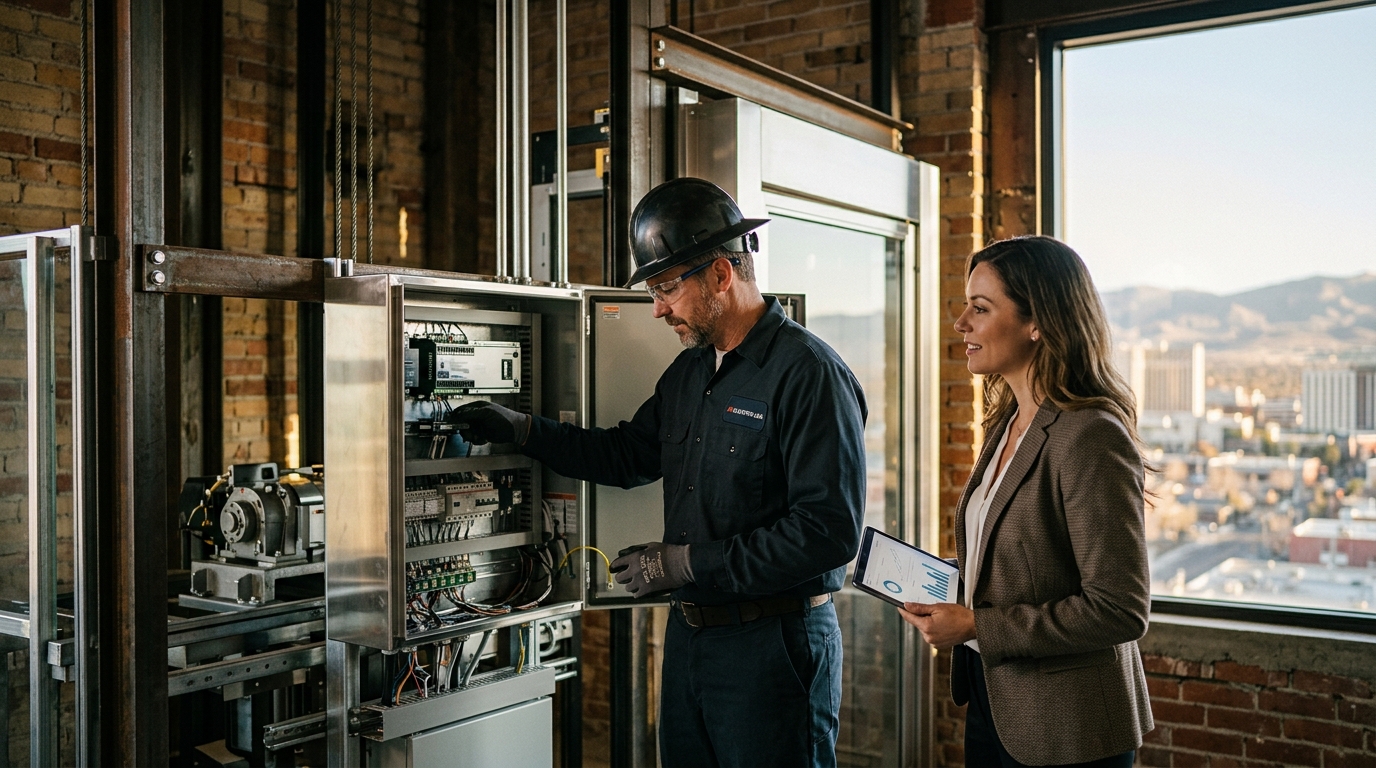
Upgrading an aging elevator system without the massive expense of a full shaft replacement is the smartest move for building owners in Nevada. According to industry data, elevator modernization can extend the lifespan of a vertical transportation system by 20 to 30 years while significantly reducing energy consumption. This guide details the precise engineering steps required to transform your outdated infrastructure into a smart, code-compliant asset. (About https arelevatorusa com)
Phase 1: Structural and Mechanical Assessment
The first step in modernizing an elevator within an existing shaft is a rigorous diagnostic evaluation. You cannot proceed with upgrades without understanding the physical constraints of the current infrastructure. This phase involves measuring the hoistway dimensions, checking the pit depth, and evaluating the overhead clearance. (Annual Inspection Deficiency Repair)
Evaluating Shaft Integrity
Older buildings often have shafts that do not meet current safety codes. A professional assessment determines if the shaft walls can support new guide rails and if the pit has adequate drainage. Structural integrity is the foundation of any successful modernization project. If the shaft is compromised, reinforcement may be required before any mechanical work begins.
Machine Room Analysis
Many older elevators rely on heavy, inefficient hydraulic or traction machines located in a dedicated machine room. Assessing the weight capacity of the roof and the structural support for new equipment is critical. If the machine room cannot support modern gearless traction machines, a Machine-Room-Less (MRL) solution might be necessary.
Phase 2: Selecting the Right Technology
Once the physical constraints are mapped, you must choose the appropriate modernization technology. The goal is to maximize efficiency and reliability within the existing footprint. The three primary options for existing shafts are hydraulic upgrades, traction modernization, and MRL systems.
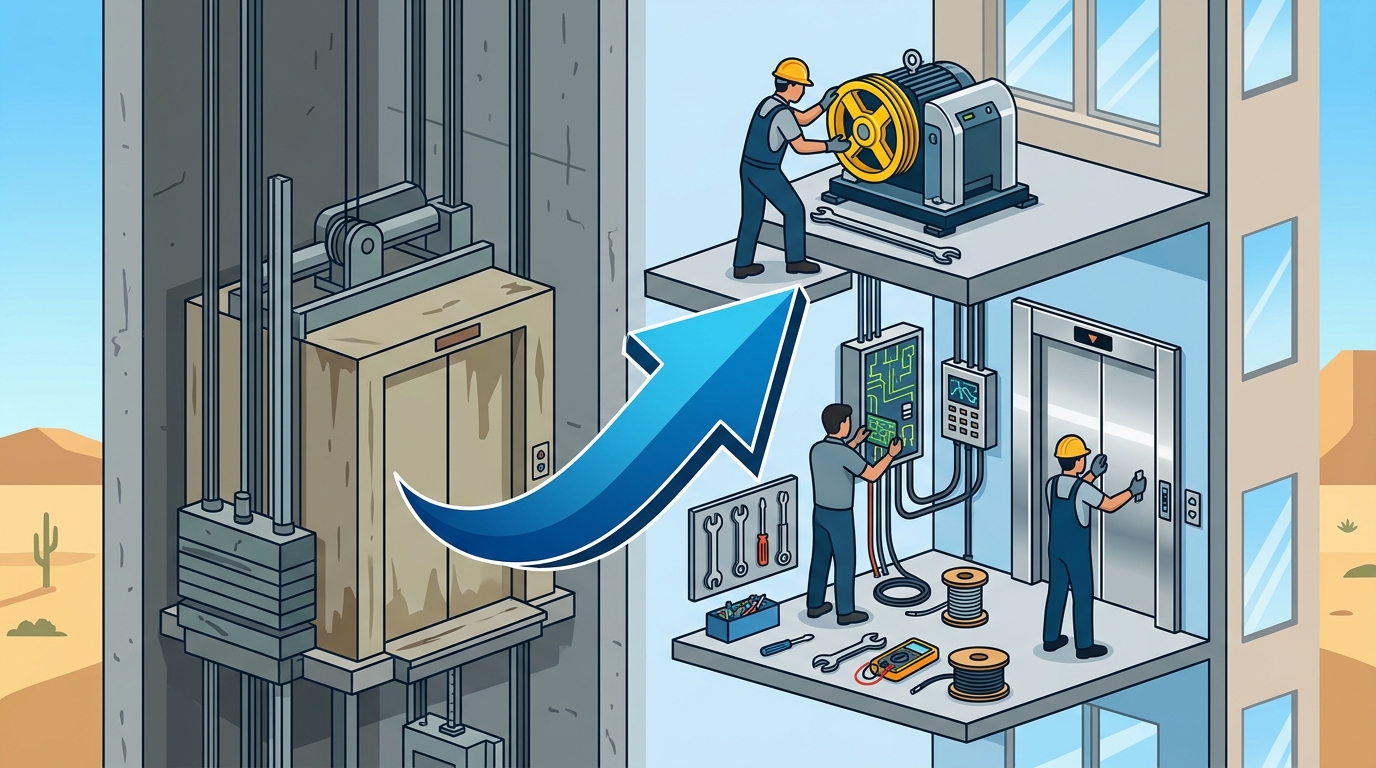
Hydraulic vs. Traction Systems
Hydraulic elevators use fluid pressure to move the car. While reliable, they are less energy-efficient than traction systems. Modernizing a hydraulic elevator often involves replacing the pump motor and valve assembly with a variable frequency drive (VFD). This change alone can reduce energy usage by 30 to 50 percent. However, for taller buildings, switching to a traction system is often the superior long-term investment.
Machine-Room-Less (MRL) Solutions
MRL technology places the traction machine inside the hoistway, typically at the top. This eliminates the need for a separate machine room, freeing up valuable real estate in your building. MRL systems are the industry standard for new installations and modernizations in mid-rise buildings. They offer quieter operation and lower maintenance costs compared to traditional geared machines.
IoT and Smart Integration
Modern elevators are no longer just mechanical boxes; they are connected devices. Integrating Internet of Things (IoT) sensors allows for predictive maintenance. These sensors monitor vibration, temperature, and door cycles in real time. This data enables technicians to address issues before they cause a breakdown, ensuring 99.5% uptime for your building occupants.
Phase 3: Engineering and Design
With the technology selected, detailed engineering plans must be created. This phase ensures that every component fits precisely within the existing shaft. Custom fabrication is often required for guide rails, brackets, and door operators to match the unique dimensions of your building.
Custom Component Fabrication
Standard parts rarely fit perfectly into older shafts. Engineers must design custom guide rail brackets that attach securely to the existing concrete or steel structure. Door operators must be calibrated to the exact weight and width of the existing doors. Precision engineering prevents costly delays during the installation phase.
Electrical System Upgrades
Older control panels often use outdated relay logic. Modernizing the electrical system involves replacing the control panel with a microprocessor-based controller. This upgrade improves ride quality, reduces travel time, and enhances safety features. The wiring must be updated to meet current National Electrical Code (NEC) standards.
Phase 4: Installation and Integration
The installation phase is the most visible part of the modernization process. It requires careful coordination to minimize disruption to building tenants. The process typically follows a strict sequence to ensure safety and accuracy.
Demolition and Removal
Technicians first remove the old machine, motor, and control panel. This step requires specialized equipment to safely lower heavy machinery from the machine room or roof. The old guide rails and car frame are also removed. Proper disposal of hazardous materials, such as hydraulic oil, is mandatory.
New Equipment Installation
New guide rails are installed first, followed by the car frame and counterweight. The new machine is then mounted and connected to the drive system. Door operators and gates are installed last. Each component is tested individually before the system is powered on. This step-by-step approach ensures that any alignment issues are caught early.
Control System Programming
Once the mechanical components are in place, the control system is programmed. This involves setting the floor levels, door open/close times, and leveling accuracy. The system is then integrated with the building’s fire service mode and emergency communication systems.
Phase 5: Inspection and Compliance
The final phase is ensuring the modernized elevator meets all local and national safety codes. In Nevada, this involves strict adherence to ASME A17.1 standards. Failure to comply can result in fines and operational shutdowns.
ASME A17.1 Standards
The ASME A17.1 code is the national standard for the installation and maintenance of elevators and escalators. Modernization projects must meet the current edition of this code, not the version that was in place when the building was originally constructed. This includes requirements for emergency lighting, communication devices, and door safety sensors.
Category 1 and 5 Inspections
After installation, the elevator must undergo a rigorous inspection. Category 1 inspections cover new installations, while Category 5 inspections cover modernizations. Certified inspectors check every safety device, from the overspeed governor to the buffer springs. Only after passing these inspections can the elevator be returned to full public service.
Deficiency Repair
It is common for inspectors to note minor deficiencies during the final inspection. These must be repaired promptly to avoid delays in the work permit expiration. A reputable modernization partner will handle all deficiency repairs efficiently to ensure a smooth handover.
Key Takeaways
- Cost Efficiency: Modernizing within the existing shaft saves up to 50% compared to a full replacement.
- Energy Savings: Upgrading to VFDs and MRL systems can reduce energy consumption by 30-50%.
- Safety Compliance: Modernization ensures adherence to the latest ASME A17.1 safety codes.
- Reliability: IoT-enabled predictive maintenance reduces unexpected breakdowns by 90%.
- Property Value: Updated elevators significantly increase the market value and appeal of commercial and residential properties.
- Speed: Modernization projects can often be completed in 4-6 weeks with minimal tenant disruption.
- Local Expertise: Nevada-specific code knowledge is critical for successful compliance and inspection.
Frequently Asked Questions
How long does an elevator modernization take?
A typical modernization project takes between 4 to 6 weeks. This timeline includes demolition, installation, and final inspections. Complex projects in high-rise buildings may take longer due to logistical challenges.
Can I keep my existing elevator doors?
In many cases, existing doors can be retained if they are in good condition and meet current safety standards. However, older doors may not have the necessary safety sensors or fire ratings. Upgrading to modern doors is often recommended for improved aesthetics and safety.
What is the difference between modernization and repair?
Repair addresses specific broken components, while modernization replaces the core mechanical and electrical systems to extend the elevator's life and improve performance. Modernization is a proactive investment, whereas repair is a reactive cost.
Do I need a machine room for a modernized elevator?
No. Modern Machine-Room-Less (MRL) technology allows the traction machine to be installed inside the hoistway. This eliminates the need for a dedicated machine room, saving space and energy.
How does IoT improve elevator maintenance?
IoT sensors monitor elevator performance in real time. This data allows technicians to predict failures before they occur, reducing downtime and emergency call-outs. It also provides detailed reports on energy usage and ride quality.
What codes must modernized elevers meet in Nevada?
Elevators in Nevada must comply with ASME A17.1 safety codes and local building regulations. Regular inspections by certified professionals are required to ensure ongoing compliance.
Is modernization more expensive than a new installation?
Generally, no. Modernizing within the existing shaft is often less expensive than a full replacement because it avoids the high costs of civil construction, shaft demolition, and structural reinforcement.
Ready to Modernize Your Elevator?
Do not let outdated infrastructure compromise the safety and efficiency of your building. AR Elevator USA specializes in transforming aging elevator systems into smart, reliable, and code-compliant assets. Our team of certified technicians provides comprehensive modernization services tailored to your specific needs.
Contact us today to schedule a consultation and discover how we can help you maximize the value of your property. Visit our Contact Page to request a quote or call us directly at 702-810-2757.