
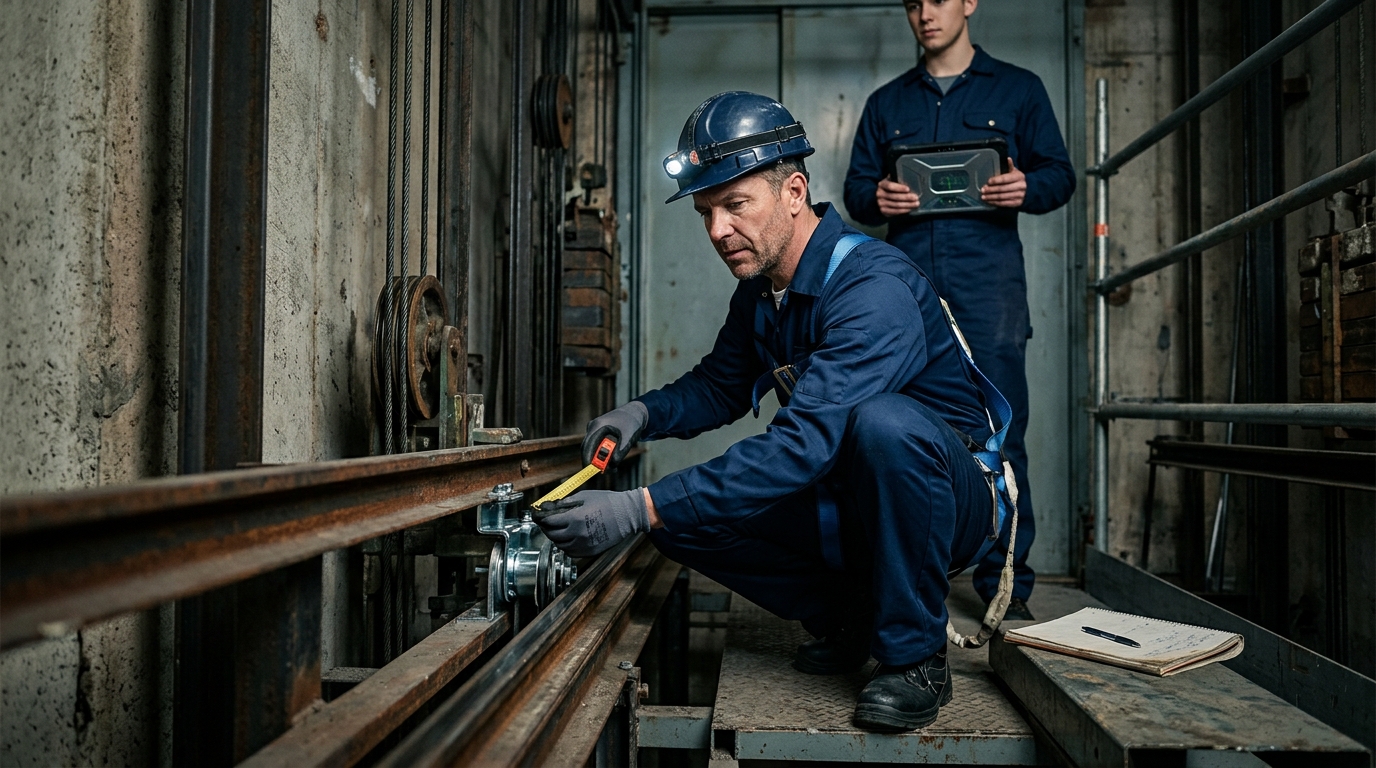
Modernizing an elevator in an existing shaft is not merely a cosmetic upgrade; it is a complex structural and mechanical intervention that dictates the longevity of your building's vertical transportation system. According to the American Society of Mechanical Engineers (ASME), elevator modernization projects frequently encounter significant delays due to unforeseen shaft irregularities, which can increase project costs by up to 20 percent. This statistic highlights why thorough pre-installation audits are critical for any property manager or building owner looking to extend the life of their infrastructure. Ignoring these nuances can lead to catastrophic failures, safety violations, and budget overruns that derail entire renovation timelines.
Assessing Shaft Dimensions and Geometry
One of the most frequent errors in elevator modernization is assuming that the existing shaft dimensions will accommodate new, more efficient equipment without modification. Modern elevator systems, particularly gearless traction machines, often have different footprint requirements than older hydraulic or geared systems. If the shaft is too narrow, the new car may not fit, or the door mechanisms may interfere with the guide rails.
Before selecting a new system, you must conduct a precise laser survey of the shaft. This includes measuring the width, depth, and diagonal dimensions at multiple levels. Shaft geometry is the foundational constraint of any modernization project. If the survey reveals that the shaft is out of plumb or has significant deviations, you may need to install guide rail shims or even undertake structural repairs before any equipment can be installed. Skipping this step often results in the new equipment arriving on-site only to find that it physically cannot be mounted.
For detailed guidance on structural assessments, you can review industry standards provided by the ASME A17.1 Safety Code. Additionally, understanding the specific spatial requirements for different machine types is crucial. You can explore comprehensive modernization services to see how professional firms handle these spatial challenges.
Outdated Control System Integration
Many building owners focus exclusively on the mechanical hardware, such as the motor and car, while neglecting the brain of the operation: the control system. Attempting to integrate a modern microprocessor-based controller with legacy wiring and sensors is a recipe for failure. Older shafts often contain wiring that does not meet current voltage drop standards or lacks the shielding required for digital signal integrity.
A common mistake is trying to save money by reusing existing call buttons and hall lanterns. However, modern systems require specific communication protocols, such as RS-485 or Ethernet, which older two-wire systems cannot support. This incompatibility forces a complete rewiring of the hoistway, which is significantly more expensive than anticipated. Control system compatibility is the primary driver of modernization success.
Upgrading to a state-of-the-art control system not only improves ride quality and energy efficiency but also enables smart building integration. For insights into how digital controls reduce maintenance costs, refer to the Elevator World Industry Reports. You can also learn more about the benefits of advanced elevator upgrades that enhance user experience through predictive maintenance capabilities.
Ignoring Power Supply Requirements
Modern gearless traction machines are significantly more energy-efficient than their predecessors, but they often have different power quality requirements. Older buildings may have electrical panels that are undersized or lack the capacity to handle the inrush current of new variable frequency drives (VFDs). Assuming that the existing electrical service is sufficient is a costly error.
VFDs generate harmonic distortion that can interfere with other building systems if not properly filtered. If the electrical panel is not upgraded with appropriate harmonic filters or dedicated breakers, you risk tripping breakers during peak usage times or damaging sensitive electronic equipment elsewhere in the building. A thorough load analysis by a licensed electrical engineer is mandatory. According to the National Electrical Manufacturers Association, improper power conditioning can reduce the lifespan of elevator motors by up to 30 percent.
Proper power planning ensures that your modernized elevator operates smoothly without causing blackouts or flickering lights in the building. For a deeper dive into electrical specifications, check the National Fire Protection Association guidelines on elevator power. You can also consult with ARElevator USA for a preliminary electrical assessment of your property.
Overlooking Safety Code Compliance
Elevator safety codes evolve constantly. An elevator that was compliant when it was installed 20 years ago may now violate current accessibility and safety standards. The most common oversight is failing to update the system to meet the latest ADA (Americans with Disabilities Act) requirements, such as proper door reopening devices, audible signals, and braille paneling.
Additionally, modern codes require specific emergency communication systems that must remain operational during power outages. Older systems may rely on simple bell circuits that are no longer acceptable. If you do not budget for these code-mandated upgrades, your project will fail final inspection, and the elevator will remain out of service. Code compliance is non-negotiable and dictates the scope of work.
Staying ahead of regulatory changes is essential for liability protection. The Access Board provides detailed guidelines on elevator accessibility. For a checklist of current safety requirements, review the ASME Codes and Standards database. Ensure your modernization partner is fully versed in these regulations by asking about their safety inspection protocols.
Underestimating Pit Depth Requirements
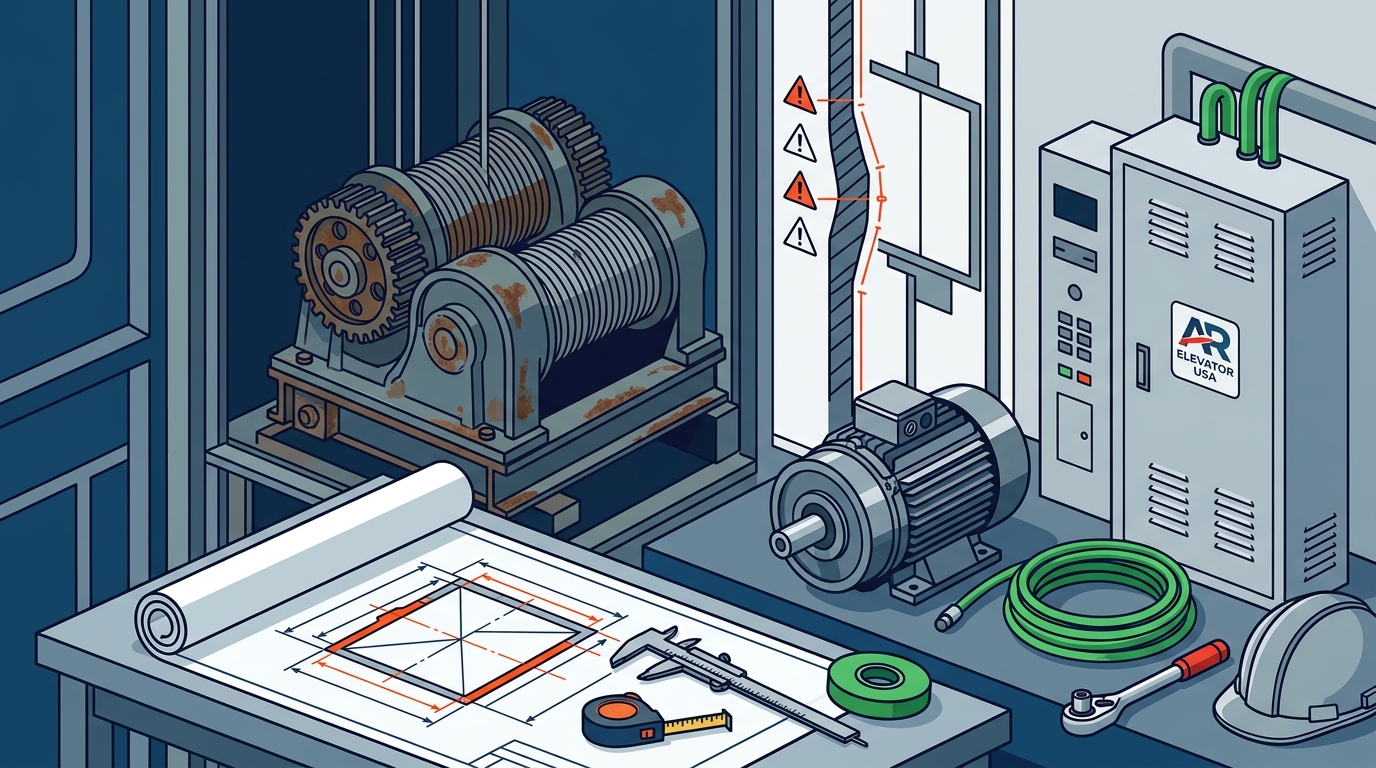
The elevator pit, the space at the bottom of the shaft, often contains buffers, limit switches, and sump pumps. Modern equipment may require greater pit depth to accommodate new safety gear or to ensure proper clearance for the car buffer. If the pit is too shallow, the new car may bottom out before the buffer engages, causing severe damage.
Furthermore, pits are prone to water accumulation. If the existing sump pump is not upgraded or if the pit drainage is inadequate, water can damage the new control panels and electrical components located in the pit. A wet pit can lead to short circuits and premature failure of the modernized system. Pit conditions are a critical hidden variable in modernization.
Proper pit preparation involves waterproofing and ensuring adequate drainage capacity. The Environmental Protection Agency offers guidelines on managing water intrusion in building foundations. For technical details on pit requirements, refer to the ISO Elevator Standards. You can also request a detailed pit inspection as part of your preventive maintenance plan.
Budgeting for Hidden Structural Costs
Modernization projects are notorious for budget overruns due to hidden structural costs. These include the need for new machine room structures, reinforcement of the overhead beam to support heavier motors, or repairs to the shaft walls damaged by years of wear. Failing to account for these contingencies can leave you without funds when these issues arise.
A realistic budget should include a contingency fund of at least 10 to 15 percent for unforeseen structural repairs. This fund acts as a buffer against the inevitable surprises that come with working in existing buildings. Contingency planning is the hallmark of professional project management.
To help you visualize the cost components, the table below outlines typical budget allocations for a standard modernization project.
| Cost Category | Percentage of Budget | Key Inclusions |
|---|---|---|
| Equipment | 40-50% | Machines, controllers, car, doors |
| Labor | 30-40% | Installation, wiring, testing |
| Structural Repairs | 10-15% | Beam reinforcement, pit repairs |
| Contingency | 5-10% | Unforeseen issues, code upgrades |
For more detailed cost analysis tools, you can refer to the RSMeans Data for construction cost estimates. Understanding these allocations helps in securing accurate financing. You can also explore financing options to manage the capital expenditure effectively.
Key Takeaways
- Shaft Surveys are Mandatory: Never assume existing dimensions fit new equipment; always conduct a laser survey first.
- Control Systems Drive Compatibility: Legacy wiring often cannot support modern digital controllers, requiring full hoistway rewiring.
- Power Quality Matters: VFDs require harmonic filtering and adequate panel capacity to prevent system interference.
- Code Compliance is Critical: ADA and ASME code updates often necessitate additional safety features not in the original scope.
- Pit Conditions are Hidden Risks: Water intrusion and insufficient pit depth can destroy new equipment if not addressed.
- Contingency Funds are Essential: Allocate 10-15 percent of the budget for unforeseen structural repairs.
- Professional Assessment Prevents Errors: Engaging a certified modernization partner early in the process saves time and money.
Frequently Asked Questions
How long does an elevator modernization project take?
A typical elevator modernization project takes between 4 to 8 weeks, depending on the complexity of the shaft and the extent of the upgrades. Delays often occur due to unforeseen structural issues or waiting for custom equipment parts.
Can I keep my elevator running during modernization?
No, the elevator must be completely shut down during the modernization process. This is necessary for safety and to allow workers to access the shaft and machine room. Planning for temporary alternative transportation is essential.
What is the difference between a modernization and a replacement?
Modernization involves upgrading the existing equipment components while retaining the shaft and some infrastructure. Replacement involves removing the entire system and installing a new one, which is typically more expensive and invasive.
How much does elevator modernization cost?
The cost varies widely based on the building height, number of stops, and the scope of work. On average, modernization can cost between $50,000 and $150,000 per elevator. A detailed quote from a certified provider is necessary for an accurate estimate.
Do I need to upgrade the electrical panel?
Often, yes. Modern gearless machines and VFDs may require higher amperage or specific power quality conditions that older panels cannot provide. An electrical assessment is required to determine if upgrades are necessary.
What are the benefits of modernizing an elevator?
Modernization improves energy efficiency, enhances safety, reduces maintenance costs, and increases reliability. It also extends the life of the elevator system, providing a better return on investment than frequent repairs.
How do I choose a modernization partner?
Look for a partner with extensive experience in existing shaft modernizations, strong safety records, and a comprehensive warranty. Check their references and ensure they are certified by major elevator manufacturers.
Ready to Modernize Your Elevator System?
Modernizing your elevator is a significant investment that requires careful planning and expert execution. By avoiding these common mistakes, you can ensure a smooth project that enhances your building's value and safety. Do not let outdated infrastructure hold your property back. Contact ARElevator USA today to schedule a comprehensive assessment and receive a tailored modernization plan for your building.