
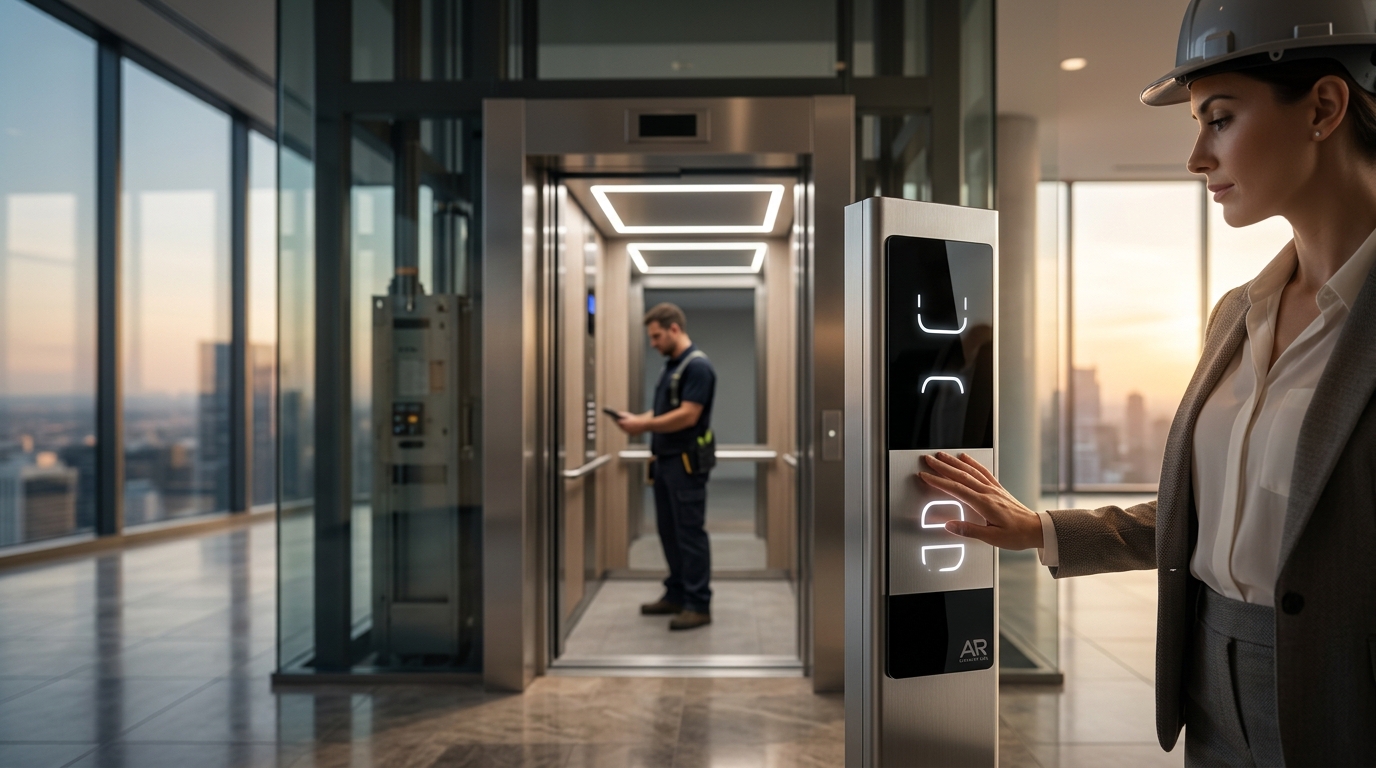
Elevator Modernization: How to Upgrade Your Existing System
If your building's elevator feels sluggish, breaks down frequently, or looks like it belongs in a different decade, modernization may be the smartest investment you can make. Elevator modernization is the process of upgrading key components of an existing elevator system to improve safety, performance, energy efficiency, and code compliance. Unlike a full replacement, modernization lets you preserve the existing shaft and much of the infrastructure while bringing the ride quality and technology up to current standards. In this guide, the team at AR Elevator USA walks you through every step of a successful elevator modernization project.
Signs Your Elevator Needs Modernization
Elevators are typically designed to last 20 to 30 years. As they age, you may notice slower response times, uneven floor leveling, rising energy bills, or more frequent service calls. Outdated control systems and worn mechanical parts create safety risks and reduce rider comfort.
If your building's elevator is more than 20 years old, or if you are failing annual inspections, it is time to explore elevator upgrading and modernization options. Frequent breakdowns and obsolete replacement parts are two of the strongest indicators.
Step 1: Conduct a Comprehensive Assessment
Every successful modernization project starts with a thorough evaluation of the current system. A certified elevator technician will inspect mechanical and electrical components, the control system, door operators, cab interior, and all safety mechanisms.
The goal is to determine what can be retained, what must be replaced, and how to prioritize upgrades based on performance, safety, and code compliance requirements. AR Elevator USA provides detailed assessment reports with clear, upfront pricing so there are no surprises down the line.
What the Assessment Covers
- Controller and drive system condition
- Hoist machine and motor efficiency
- Door operator speed and safety sensors
- Cab interior and fixtures
- Current code compliance status
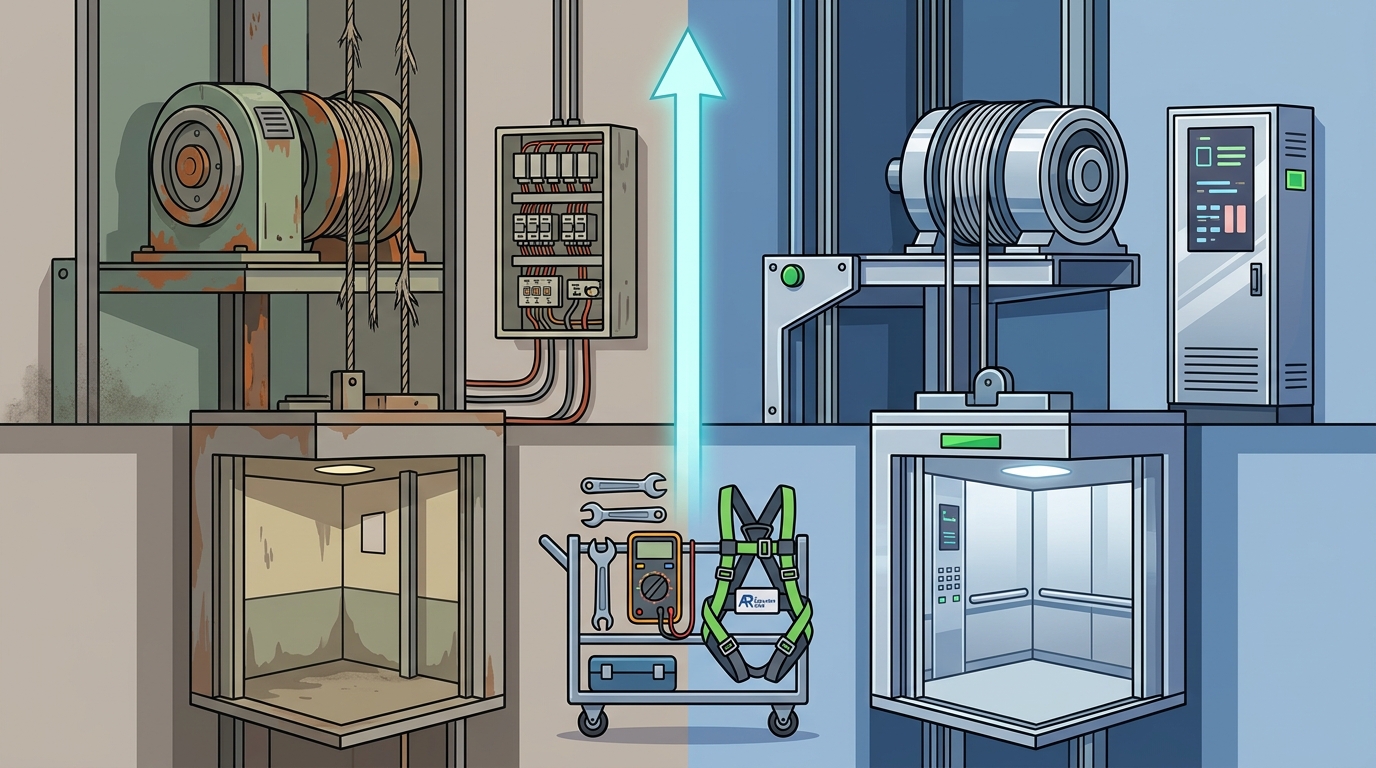
Step 2: Develop a Modernization Plan
A modernization plan is a detailed project roadmap that includes timelines, budget estimates, and a breakdown of every upgrade needed. Work with your elevator partner to set priorities. A partial modernization, which targets specific components like the controller or door system, often delivers the best balance of cost and impact.
According to KONE, partial modernization extends your building's lifespan and improves performance without the cost or downtime of a full replacement. Your plan should also account for permitting, tenant communication, and phased scheduling.
Step 3: Choose the Right Components to Upgrade
Component selection depends on the assessment findings and your budget. Below is a comparison of common upgrade categories and their primary benefits.
| Component | Upgrade Example | Primary Benefit |
|---|---|---|
| Controller | Microprocessor-based or destination dispatch | Faster response, energy savings up to 60% |
| Drive & Motor | AC VVVF drive replacing DC motor-generator | Smoother ride, reduced energy use |
| Door Operator | Modern high-speed operator with infrared curtain | Improved safety, shorter door dwell time |
| Cab Interior | LED lighting, updated panels and fixtures | Better aesthetics, lower power draw |
| Safety Systems | Emergency communication, seismic sensors | Code compliance, rider protection |
| IoT Integration | Real-time monitoring and predictive maintenance | Reduced downtime, proactive alerts |
AR Elevator USA offers smart elevator IoT solutions that add real-time monitoring and predictive maintenance capabilities to modernized systems. Regenerative drives are another popular addition; they recover energy during braking and feed it back into the building's electrical grid.
Step 4: Execution and Minimal Disruption
Elevator modernization work is usually done in phases to minimize disruption to building occupants. Your provider should coordinate schedules around peak hours, tenant needs, and building access. In multi-elevator buildings, one car is typically kept operational while others are upgraded.
During execution, technicians remove outdated components and install updated systems. This can include new controllers, motors, fixtures, and interior finishes. Clear communication with tenants throughout the process is essential. AR Elevator USA's elevator repair team manages every phase with transparent timelines.
Step 5: Testing, Inspection, and Handover
Once installation is complete, the entire system undergoes rigorous functional, performance, and safety testing. A final inspection by a licensed authority ensures full code compliance before the elevator returns to service. You should receive complete documentation, updated maintenance schedules, and warranty information at handover.
Post-modernization, a strong preventive maintenance program is critical to protect your investment and extend the system's useful life. Routine inspections and timely repairs will keep performance at peak levels for years to come.
Costs, Energy Savings, and ROI
Modernization costs vary by scope. A typical hydraulic elevator modernization ranges from $100,000 to $150,000, while a complete traction elevator modernization can range from $150,000 to $300,000. However, the returns are significant.
Modernizing older DC-driven elevators can save an average of 72% in energy costs. New hoist motors paired with modern controllers can reduce overall electrical usage by roughly 60%. Destination dispatch systems alone can cut passenger travel time by up to 30%, improving tenant satisfaction.
Long-Term Value
Beyond energy savings, modernization reduces maintenance expenses by 25 to 30% annually and significantly extends equipment life. For a building spending $12,000 per year on elevator energy, that translates to $4,800 to $6,000 in annual savings. AR Elevator USA's power efficiency solutions help you capture every available saving.
Key Takeaways
- Elevator modernization upgrades existing components rather than replacing the entire system, saving cost and time.
- A professional assessment identifies which parts to retain, replace, or upgrade based on safety and performance.
- Phased execution minimizes building disruption and keeps at least one elevator operational.
- Modern controllers and AC drives can reduce energy consumption by up to 60 to 72%.
- Code compliance and safety are non-negotiable; every modernization must meet current ASME and local standards.
- IoT-enabled monitoring and predictive maintenance extend the life of your modernized system.
- Post-project preventive maintenance protects your investment for decades.
Frequently Asked Questions
What is elevator modernization?
Elevator modernization is the process of upgrading or replacing key components of an existing elevator system to improve its safety, reliability, energy efficiency, and compliance with current building codes.
How long does an elevator modernization project take?
Timelines vary based on scope. A partial controller upgrade might take 2 to 4 weeks per elevator, while a comprehensive modernization can take 8 to 12 weeks. Your contractor should provide a detailed schedule before work begins.
Can I modernize my elevator without a full replacement?
Yes. Partial modernization targets specific components like the controller, drive, or door operator. This approach delivers major performance improvements at a fraction of the cost and downtime of a full replacement.
How much does elevator modernization cost?
Costs depend on the system type and upgrade scope. Hydraulic elevator modernizations typically range from $100,000 to $150,000, while traction systems can range from $150,000 to $300,000.
Will modernization reduce my energy bills?
Significantly. Replacing outdated DC motors with modern AC drives can cut elevator energy costs by up to 72%. LED cab lighting, efficient door operators, and regenerative drives add further savings.
Is my building required to modernize its elevator?
While there is no universal mandate, elevators must pass annual inspections and meet current safety codes. If your system fails inspection or uses obsolete parts, modernization may be required to remain compliant. Learn more about annual inspection deficiency repairs.
How do I choose the right elevator modernization contractor?
Look for a licensed, full-service company with a proven track record in your region. Verify credentials, review past projects, and ensure they provide transparent pricing and clear timelines. AR Elevator USA is a family-owned partner proudly serving Nevada and the Western region.
Get Started with AR Elevator USA
Ready to modernize your building's elevator? AR Elevator USA delivers end-to-end modernization services with honest pricing, precise engineering, and responsive support. Request a free quote today and take the first step toward a safer, more efficient elevator system.