
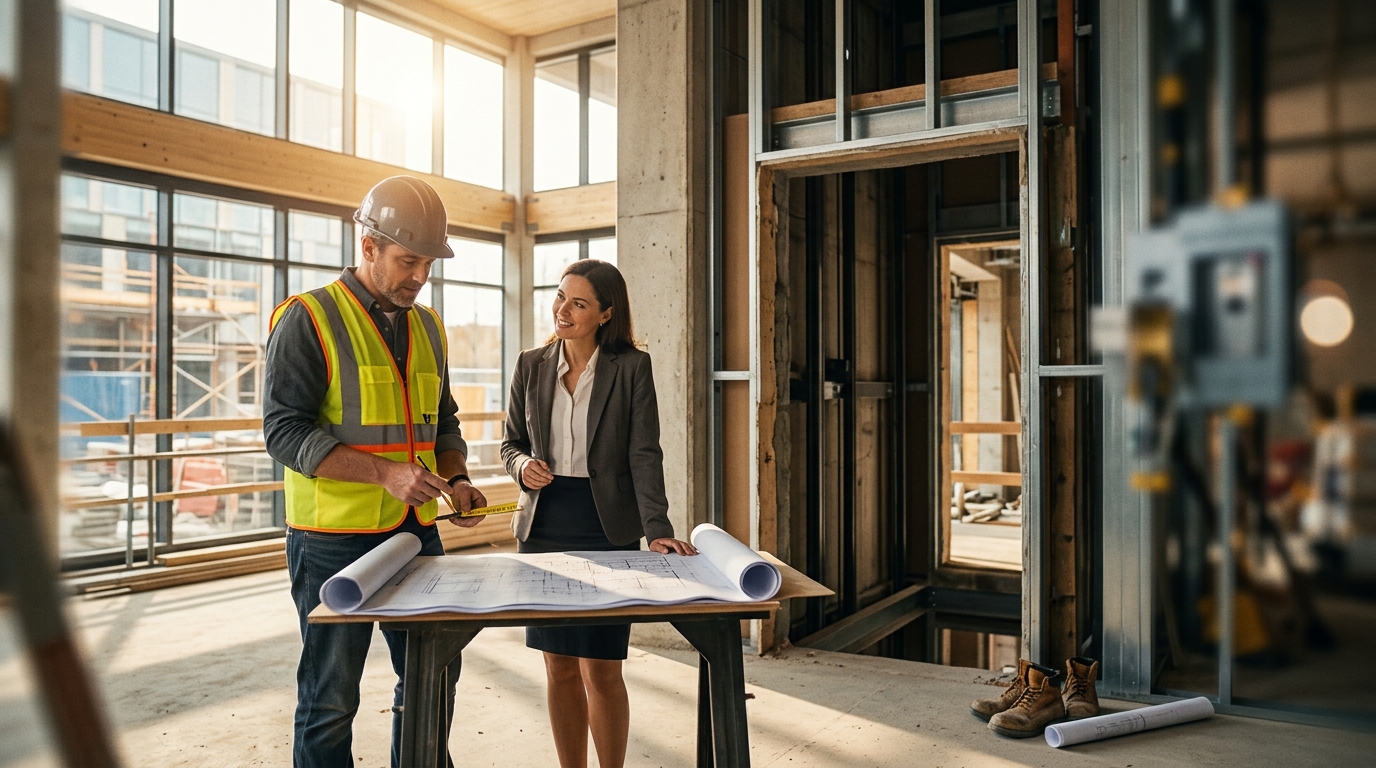
Installing a new elevator in a commercial building typically requires a capital investment ranging from eighty thousand to two hundred fifty thousand dollars. According to recent industry data, this baseline figure fluctuates significantly based on building architecture, regional labor rates, and strict safety compliance mandates. Property managers must evaluate these variables before committing to a capital expenditure. A comprehensive budget ensures operational continuity while maintaining regulatory standards. Early financial planning prevents unexpected project delays and protects long-term asset value. (Elevator Annual Inspection amp)
Factors Influencing Pricing
Commercial elevator pricing depends on multiple structural and operational variables. Property owners must evaluate shaft dimensions, floor count, and payload capacity before requesting vendor quotes. A standard traction system costs significantly less than a heavy-duty hydraulic unit. The Council of the American Elevator Industry reports that average installation expenses scale directly with building height and stop count. You should request detailed scope documents to avoid hidden change orders. New elevator supply packages typically include hoistway construction, machine room equipment, and cabin finishes. Transparent pricing models prevent budget overruns during the permitting phase. (Elevator Code Compliance Services)
Hoistway Dimensions and Shaft Configuration
Existing shaft dimensions dictate equipment compatibility and installation complexity. Retrofitting a narrow shaft often requires custom cabin fabrication and specialized guide rail mounting. Modern machine room-less designs eliminate mechanical penthouses and reduce structural excavation costs. Building engineers must verify floor-to-floor heights before finalizing equipment specifications. Proper shaft verification prevents costly structural modifications during construction.
Drive Systems and Payload Capacity
>Traction systems utilize steel ropes and counterweights to move cabins efficiently. Hydraulic systems rely on fluid pressure and piston assemblies for heavy loads. Machine room-less traction technology dominates mid-rise commercial projects due to energy efficiency. Property managers should match drive selection to expected passenger volume and freight requirements. Correct drive selection optimizes long-term operational expenses.Equipment Selection & Hoistway Requirements
Selecting the correct elevator type requires balancing initial capital expenditure against lifecycle maintenance costs. Commercial properties typically utilize either traction or hydraulic configurations. Each system offers distinct advantages depending on building height and usage patterns. The ASME A17.1 safety code mandates specific engineering standards for all commercial installations. Property owners must consult certified engineers before finalizing equipment specifications.
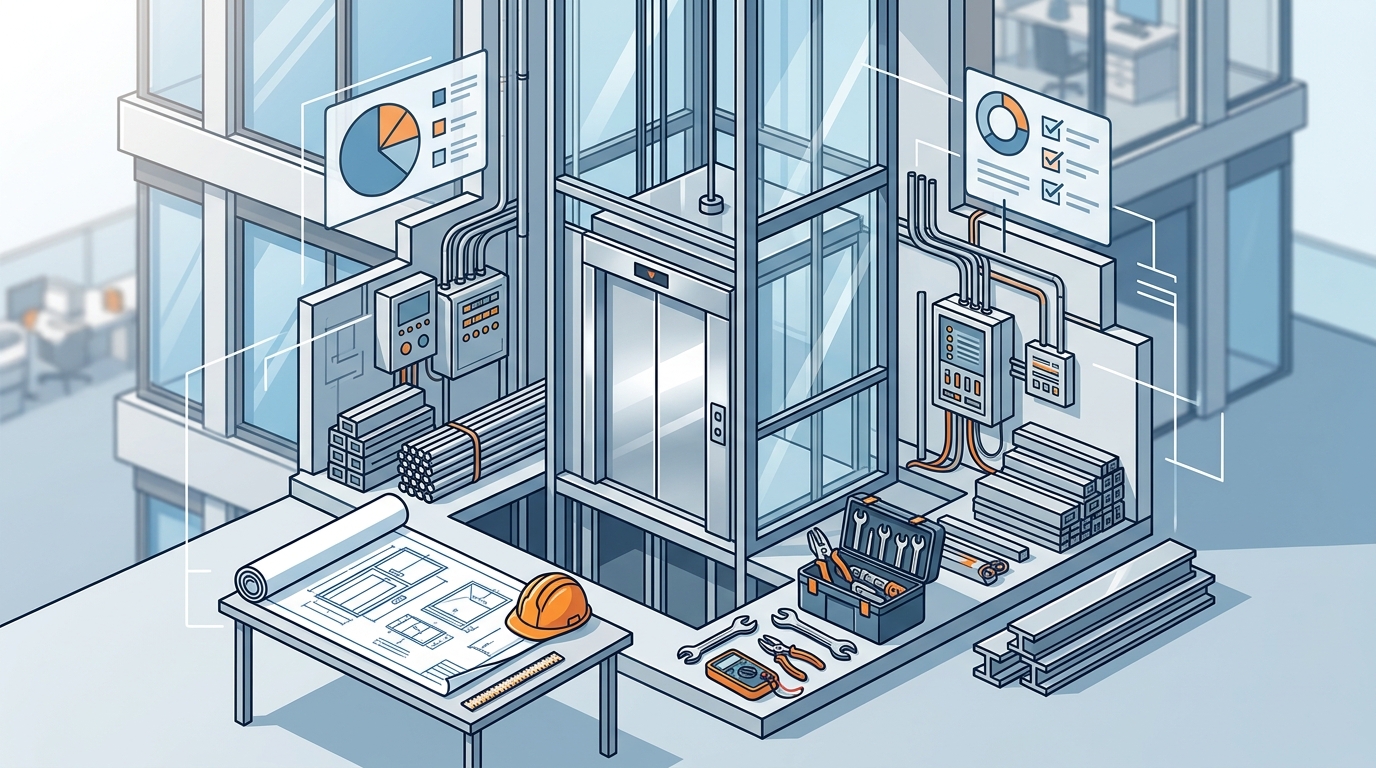
Traction vs Hydraulic Systems
>Traction elevators operate using electric motors and counterweight assemblies. Hydraulic elevators utilize fluid pumps and piston mechanisms for vertical movement. Traction systems provide faster travel speeds and smoother ride quality. Hydraulic units excel in low-rise applications with heavy freight requirements. Your building height determines which system delivers optimal performance.Machine Room-Less Technology
>Machine room-less elevators place drive components directly inside the hoistway. This design eliminates dedicated mechanical penthouses and reduces construction expenses. Modern traction technology utilizes permanent magnet motors to minimize energy consumption. Building owners report significant utility savings after switching to machine room-less configurations. This technology aligns perfectly with sustainable commercial development goals.Labor & Regulatory Compliance
>Commercial elevator installation requires strict adherence to federal and state safety regulations. Licensed contractors must follow ASME A17.1, A17.2, and A17.3 codes during every project phase. Local jurisdictions enforce additional permitting requirements before construction begins. The Occupational Safety and Health Administration mandates specific workplace safety protocols for installation crews. Compliance documentation protects property owners from liability exposure.ASME Standards and Certification
>ASME standards define engineering specifications for elevator design and manufacturing. Certified technicians must perform rigorous testing before systems receive operational approval. Annual inspection deficiency repair services ensure ongoing compliance with updated codes. Property managers should schedule routine compliance audits to maintain certification status. Regular inspections prevent costly regulatory violations and operational shutdowns.Local Permitting and Inspection Protocols
>Municipal building departments require detailed engineering drawings before issuing construction permits. Inspectors verify hoistway construction, electrical connections, and safety device functionality. Property owners must coordinate inspection schedules with municipal authorities. Delayed permitting directly impacts project timelines and contractor availability. Early municipal engagement accelerates approval processes and reduces administrative friction.Modernization vs. New Installation
>Property managers frequently debate between modernizing existing equipment and installing completely new systems. Modernization projects replace outdated control panels, drive motors, and cabin finishes. New installation projects require complete hoistway construction and foundation work. The Council of the American Elevator Industry notes that modernization typically costs forty percent less than ground-up installation. Property owners should evaluate equipment age and maintenance history before deciding.Retrofitting Existing Shafts
>Existing shafts often require structural reinforcement to support modern equipment weights. Engineers must assess concrete integrity and load-bearing capacity before proceeding. Modernization projects preserve architectural aesthetics while upgrading mechanical performance. Property managers report improved energy efficiency after completing modernization projects. Strategic modernization extends equipment lifespan without disrupting building operations.Smart IoT Integration
>Internet of Things technology enables real-time equipment monitoring and predictive maintenance. Smart IoT elevator services track vibration patterns, temperature fluctuations, and usage metrics. Property managers receive automated alerts when components approach failure thresholds. Predictive analytics reduce emergency service calls and extend equipment lifespan. This technology aligns perfectly with proactive facility management strategies.Regional Market Variables
>Geographic location significantly impacts installation pricing due to labor rates and supply chain logistics. Western region contractors face distinct logistical challenges compared to coastal markets. Nevada and surrounding states require specialized equipment delivery and staging protocols. Regional market conditions directly influence contractor availability and project scheduling. Property owners should secure vendor commitments early to lock in pricing.Nevada West Coast Operations
>Family-owned contractors operating across Nevada and the Western region understand local building codes. Regional expertise ensures compliance with state-specific safety regulations. Local contractors maintain rapid response capabilities for emergency service requests. Property managers benefit from established supply chain relationships in the region. Regional partnerships reduce logistical delays and project overhead.Supply Chain Logistics
>Equipment delivery schedules depend on manufacturer production timelines and freight availability. Custom cabin fabrication often requires extended lead times compared to standard configurations. Property owners should order equipment during the permitting phase to avoid delays. Supply chain disruptions directly impact project completion dates. Early equipment ordering ensures timely installation and commissioning.Commercial Elevator Options Comparison
| System Type | Typical Cost Range | Best Application | Key Advantage |
|---|---|---|---|
| Hydraulic Elevator | $80,000 to $120,000 | Low-rise commercial buildings | Heavy freight capacity |
| Traction Elevator | $100,000 to $180,000 | Mid-rise office complexes | Fast travel speeds |
| Machine Room-Less | $110,000 to $190,000 | Modern commercial developments | Energy efficiency |
| Platform Lift | $35,000 to $60,000 | Accessibility compliance | ADA compliance |
Key Takeaways
- Commercial elevator installation costs typically range from eighty thousand to two hundred fifty thousand dollars.
- Machine room-less traction systems dominate mid-rise commercial projects due to energy efficiency.
- ASME A17.1 standards mandate specific engineering specifications for all commercial installations.
- Modernization projects typically cost forty percent less than ground-up installation.
- Smart IoT elevator services enable predictive maintenance and real-time equipment monitoring.
- Family-owned contractors operating across Nevada and the Western region maintain rapid response capabilities.
- Property managers should secure vendor commitments early to lock in pricing and avoid supply chain delays.
Frequently Asked Questions
How long does commercial elevator installation take?
Commercial elevator installation typically requires four to eight months depending on building height and equipment complexity. Property managers should coordinate permitting schedules with contractor availability. Early project planning prevents administrative delays and ensures timely commissioning.
Do I need a dedicated machine room for commercial elevators?
>Machine room-less technology places drive components directly inside the hoistway. This design eliminates mechanical penthouses and reduces construction expenses. Modern traction systems operate efficiently without dedicated mechanical spaces.What permits are required for commercial elevator installation?
>Municipal building departments require detailed engineering drawings before issuing construction permits. Inspectors verify hoistway construction, electrical connections, and safety device functionality. Property owners must coordinate inspection schedules with local authorities.How often should commercial elevators undergo safety inspections?
>Annual inspection deficiency repair services ensure ongoing compliance with updated codes. Property managers should schedule routine compliance audits to maintain certification status. Regular inspections prevent costly regulatory violations and operational shutdowns.Can existing shafts accommodate modern elevator equipment?
>Existing shafts often require structural reinforcement to support modern equipment weights. Engineers must assess concrete integrity and load-bearing capacity before proceeding. Modernization projects preserve architectural aesthetics while upgrading mechanical performance.What maintenance contracts protect commercial elevator investments?
>Preventive maintenance agreements cover routine inspections, lubrication, and component testing. Property managers should select comprehensive service packages that include emergency response. Transparent pricing models prevent unexpected repair expenses during equipment operation.How does IoT technology improve elevator reliability?
>Smart IoT elevator services track vibration patterns, temperature fluctuations, and usage metrics. Property managers receive automated alerts when components approach failure thresholds. Predictive analytics reduce emergency service calls and extend equipment lifespan.Request Your Commercial Elevator Quote
Property managers must evaluate structural requirements, equipment specifications, and regional compliance standards before finalizing installation budgets. Our licensed team provides transparent pricing and comprehensive project management for all commercial elevator installations. Schedule a consultation with our engineering specialists to receive a customized scope document. Request a detailed quote today and secure your project timeline. Contact our office directly to discuss hoistway dimensions and equipment specifications. Contact our team to begin your commercial elevator project. We deliver code-compliant systems with transparent pricing and 24/7 responsive support. Learn more about our company and our commitment to safety. Explore smart IoT elevator services for predictive maintenance. Review power efficiency options to reduce long-term operational costs.