
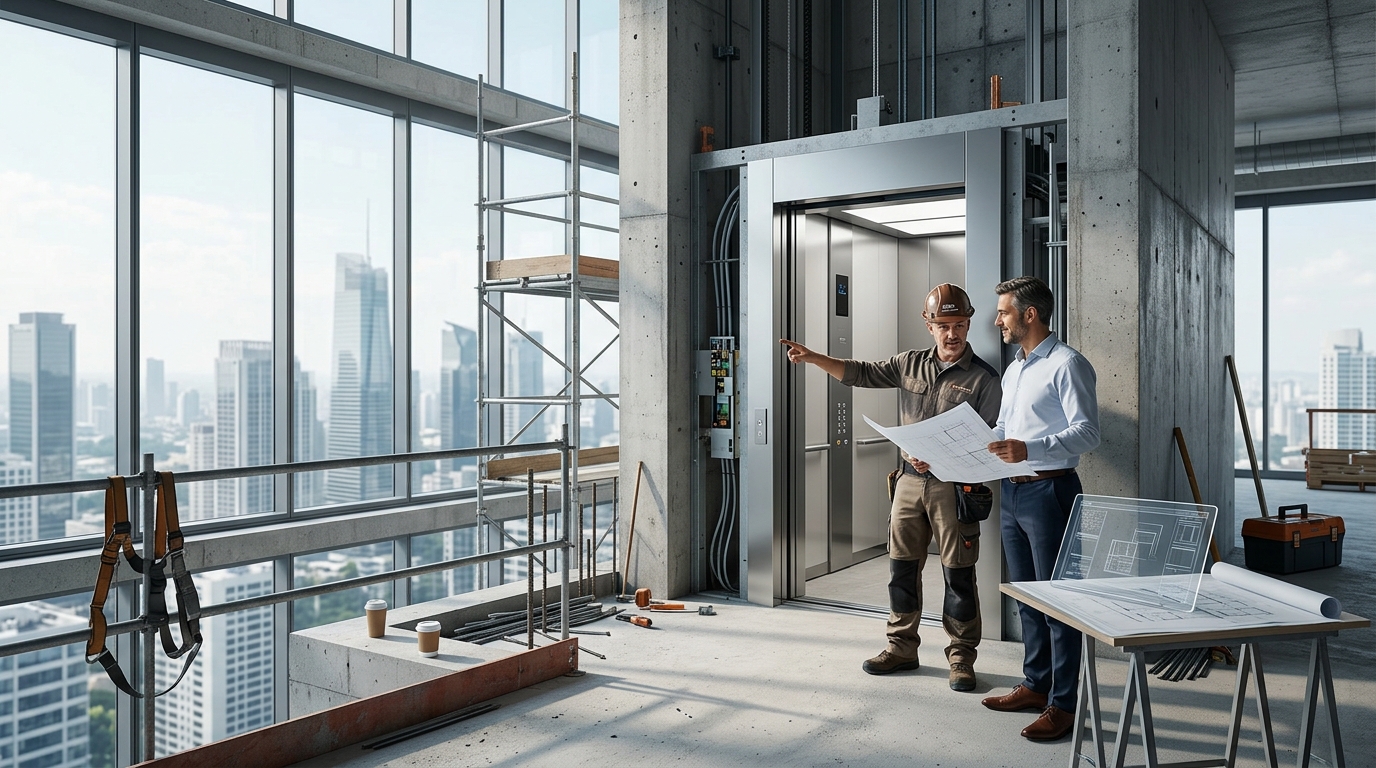
The average cost to install a new commercial elevator ranges from $50,000 to $250,000, depending on the building's height, shaft configuration, and required safety features. According to recent industry data, the national average for a standard hydraulic or traction elevator in a mid-rise building sits near $100,000. This figure excludes complex structural modifications or high-speed machinery. Understanding these variables is critical for facility managers and property developers planning their capital improvement budgets. (About https arelevatorusa com)
Key Factors Influencing Installation Costs
Installing a new elevator is not a one-size-fits-all project. The final price tag is driven by several structural and operational variables. The most significant factor is the number of floors the elevator must serve. Each additional stop requires more complex control systems, longer cables, and increased shaft depth. Furthermore, the type of drive system chosen impacts both the initial hardware cost and long-term energy consumption. (Elevator Code Compliance Services)
Another critical component is the existing building infrastructure. Older commercial buildings often require extensive shaft modifications to meet modern safety codes. This can involve reinforcing the concrete pit, installing new machine rooms, or upgrading the electrical panel to handle the load. AR Elevator USA specializes in navigating these complexities for clients across Nevada and the Western region. We ensure that every installation meets the rigorous standards set by ASME A17.1, A17.2, and A17.3. These standards govern the safety of elevators and escalators, ensuring public protection and operational reliability. (Annual Inspection Deficiency Repair)
The choice of cab finishes and interior design also plays a role. Standard stainless steel interiors are cost-effective, while custom wood, glass, or mirrored finishes can significantly increase the project budget. However, high-quality finishes often contribute to the building's aesthetic appeal and perceived value. This is particularly important for luxury residential towers or high-end corporate offices where tenant experience is a priority.
Comparing Elevator Types and Pricing
Selecting the right elevator type is the first step in budgeting. Different technologies offer varying price points, maintenance requirements, and performance capabilities. Below is a comparison of the most common commercial elevator types.
| Elevator Type | Best For | Estimated Cost Range | Key Characteristics |
|---|---|---|---|
| Hydraulic | Low-rise buildings (up to 6 floors) | $50,000 - $80,000 | Cost-effective, reliable, requires machine room |
| Traction | Mid to high-rise buildings | $80,000 - $150,000 | Energy-efficient, faster speeds, gearless options |
| MRL (Machine Room-Less) | Buildings with limited shaft space | $90,000 - $160,000 | Saves space, modern technology, quieter operation |
| Vacuum / Pneumatic | Residential or small commercial additions | $30,000 - $60,000 | No pit required, minimal construction, limited capacity |
Hydraulic elevators use a piston and fluid to move the cab. They are generally the most affordable option for low-rise applications. However, they consume more energy than traction systems. Traction elevators use counterweights and electric motors to move the cab. They are ideal for taller buildings and offer smoother rides. Machine Room-Less (MRL) elevators have gained popularity in recent years. They eliminate the need for a separate machine room, allowing for more efficient use of building space. This makes them an excellent choice for modern commercial designs.
Hidden Costs and Regulatory Compliance
Budgeting for an elevator installation requires looking beyond the hardware. There are several hidden costs that can impact the final price. One major factor is the cost of permits and inspections. Local building departments require strict adherence to safety codes. These inspections ensure that the elevator is safe for public use. The cost of these inspections varies by region but is a necessary part of the process.
Another hidden cost is the potential need for structural reinforcements. If the existing building cannot support the weight of the elevator, additional steel or concrete work may be required. This can add thousands of dollars to the project. AR Elevator USA provides comprehensive structural assessments during the planning phase. This helps clients avoid unexpected costs later in the installation process. We also handle the coordination with local authorities to ensure smooth permit approval.
Regular maintenance is another critical financial consideration. Elevators require ongoing service to remain safe and operational. Preventive maintenance contracts typically cost between $500 and $1,000 per month. This includes routine inspections, lubrication, and minor repairs. Neglecting maintenance can lead to costly breakdowns and safety violations. According to industry reports, well-maintained elevators have a longer lifespan and lower total cost of ownership. This makes preventive maintenance a wise investment for any property owner.
Modernization vs. New Installation
Sometimes, modernizing an existing elevator is more cost-effective than a full replacement. Modernization involves upgrading the control systems, motors, and cab interiors while retaining the existing shaft and rails. This can reduce costs by 30 to 50 percent compared to a new installation. However, modernization is only viable if the existing infrastructure is in good condition.
AR Elevator USA offers advanced modernization services that bring older elevators up to current safety standards. This includes upgrading to smart IoT technology for real-time monitoring and predictive maintenance. The Giga Lift Smart IoT Elevator Services provide data-driven insights that help facility managers optimize performance. These systems can reduce energy consumption and improve passenger experience. Modernization also allows for the integration of new accessibility features, such as enhanced audio announcements and braille controls.
When deciding between modernization and new installation, consider the age of the current system. If the elevator is over 20 years old, a new installation may be more cost-effective in the long run. Older systems often require frequent repairs and may not meet current energy efficiency standards. A new installation offers the latest technology and improved reliability. It also provides a fresh start for warranty coverage and service agreements.
Return on Investment and Property Value
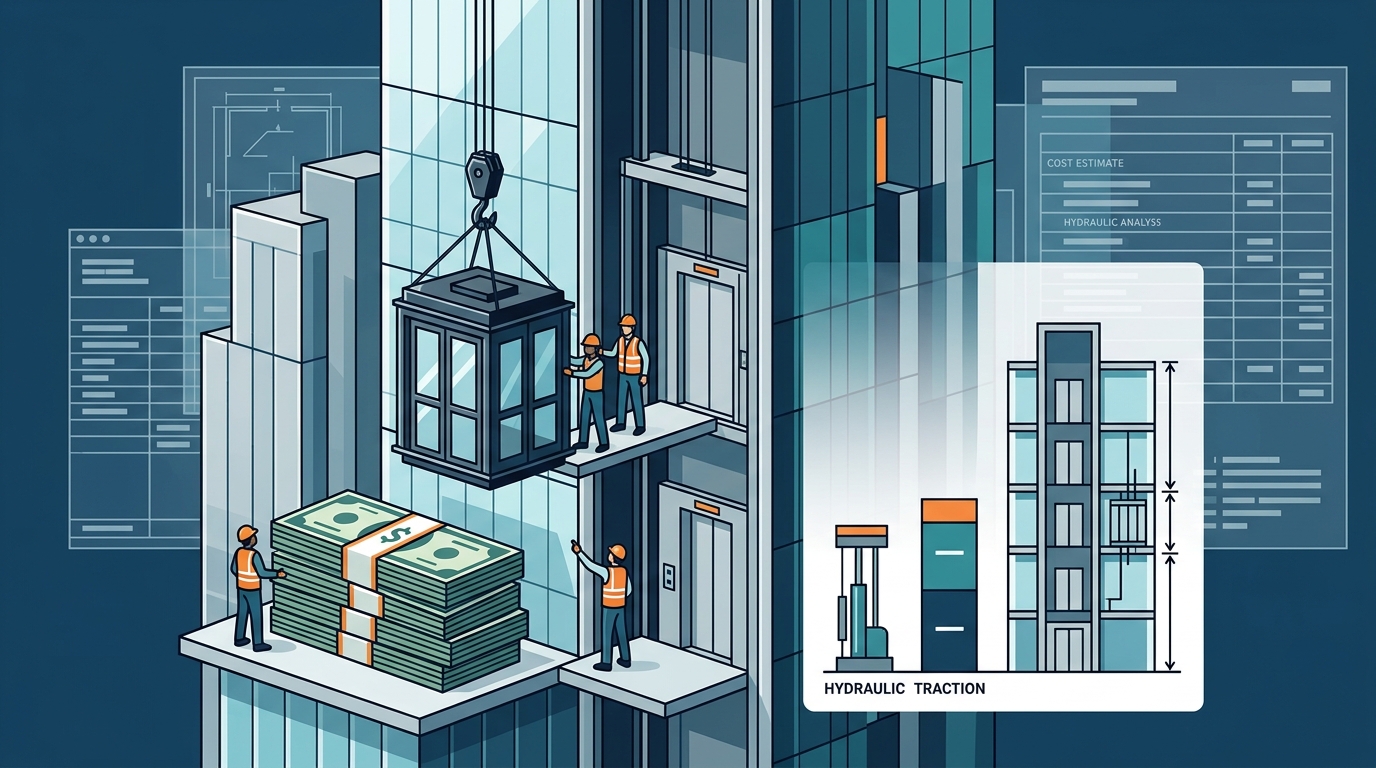
Installing a new elevator is a significant capital expenditure, but it also offers a strong return on investment. Elevators increase the usable square footage of a building by making upper floors accessible. This can lead to higher rental rates and increased occupancy. In commercial real estate, accessibility is a key factor for tenants. Buildings without elevators may struggle to attract high-quality tenants.
Furthermore, modern elevators contribute to the building's overall aesthetic and functionality. They enhance the user experience for employees, customers, and residents. This can improve the building's reputation and market value. According to property valuation studies, buildings with modern elevators command higher prices in the market. This is particularly true for luxury residential towers and Class A office buildings.
Energy efficiency is another factor in the ROI calculation. Modern elevators use less energy than older models. This reduces utility costs and supports sustainability goals. Many building owners are now prioritizing green certifications, such as LEED. Installing energy-efficient elevators can contribute to these certifications, further enhancing the building's value. AR Elevator USA is committed to providing power-efficient solutions that align with these goals.
Key Takeaways
- The average cost of a commercial elevator installation ranges from $50,000 to $250,000.
- Hydraulic elevators are the most affordable option for low-rise buildings.
- Traction and MRL elevators are ideal for mid to high-rise applications.
- Structural modifications and permits can add significant costs to the project.
- Regular preventive maintenance is essential for safety and longevity.
- Modernization can reduce costs by 30 to 50 percent compared to new installation.
- Elevators increase property value and rental potential.
Frequently Asked Questions
How long does it take to install a commercial elevator?
The installation timeline typically ranges from 3 to 6 months. This includes design, permitting, manufacturing, and construction. Complex projects may take longer due to structural modifications.
Do I need a machine room for a new elevator?
Not necessarily. Machine Room-Less (MRL) elevators are designed to fit within the shaft itself. This saves space and reduces construction costs. Hydraulic elevators, however, do require a machine room.
What is the difference between hydraulic and traction elevators?
Hydraulic elevators use a piston and fluid to move the cab. They are best for low-rise buildings. Traction elevators use counterweights and motors. They are more energy-efficient and suitable for taller buildings.
How much does elevator maintenance cost?
Annual maintenance contracts typically cost between $500 and $1,000 per month. This includes routine inspections, lubrication, and minor repairs. Costs vary based on the elevator type and usage.
Can I upgrade my existing elevator instead of replacing it?
Yes, modernization is a viable option for many buildings. It involves upgrading the control systems and cab interiors. This can reduce costs by 30 to 50 percent compared to a new installation.
What safety standards must commercial elevators meet?
Commercial elevators must comply with ASME A17.1, A17.2, and A17.3 standards. These codes ensure public protection and operational reliability. Regular inspections are required to maintain compliance.
How does an elevator increase property value?
Elevators make upper floors accessible, increasing usable square footage. This leads to higher rental rates and occupancy. Modern elevators also enhance the building's aesthetic and functionality.
Request Your Custom Quote
Planning a commercial elevator installation requires careful consideration of costs, technology, and compliance. AR Elevator USA is your trusted partner for new supply, installation, and modernization services. We provide transparent pricing and 24/7 responsive support. Contact us today to schedule a consultation and get a detailed quote for your project.