
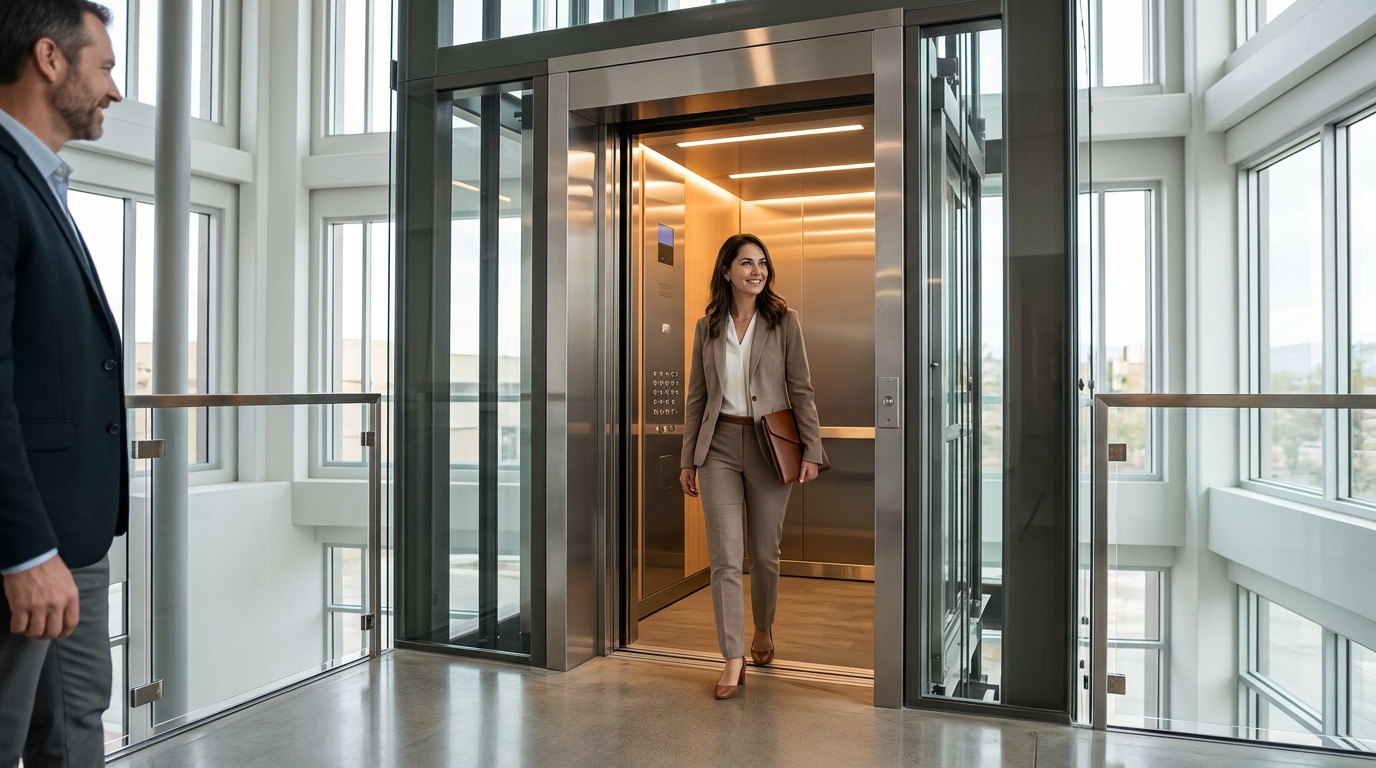
Installing a new elevator in a commercial building is a massive capital expenditure that fundamentally alters property value and operational efficiency. According to recent industry data, the average cost for commercial elevator installation ranges from $80,000 to $250,000, depending heavily on shaft configuration and technology type. This financial commitment requires precise planning to avoid budget overruns during the construction phase. AR Elevator USA provides licensed, full-service solutions for Nevada and the Western region, ensuring every project meets strict safety codes while delivering transparent pricing. (About https arelevatorusa com)
Understanding Cost Variables
The price of a commercial elevator is never a flat rate. It is a complex calculation involving structural, mechanical, and regulatory factors. Property managers must understand these drivers to negotiate effectively with contractors. The primary determinant is the type of drive system selected. Hydraulic systems are generally less expensive upfront but require more maintenance. Traction systems offer higher efficiency and speed for taller buildings. Gearless traction elevators represent the premium tier, offering superior performance for high-rise commercial structures. (Elevator Annual Inspection amp)
Another critical factor is the number of stops and the door configuration. A single-leaf door costs less than a center-opening door, which is often required for ADA compliance in commercial settings. The shaft itself must be evaluated for existing conditions. If the building requires a new shaft construction, costs increase significantly due to concrete, steel, and architectural finishes. AR Elevator USA specializes in evaluating these structural needs to provide accurate quotes. We ensure that every installation is fully code-compliant from the initial design phase. (Elevator Code Compliance Services)
Regulatory compliance also impacts the final price. Elevators must adhere to ASME A17.1, A17.2, and A17.3 standards. These codes dictate safety features, emergency communication systems, and seismic requirements. In Nevada, local building codes may impose additional seismic bracing requirements. This ensures the elevator remains operational and safe during and after seismic events. Our team handles all necessary documentation and inspections to guarantee compliance. We prioritize safety and reliability in every project we undertake. (Annual Inspection Deficiency Repair)
Elevator Technology Comparison
Selecting the right technology is the most significant decision in the budgeting process. Each system offers distinct advantages regarding cost, energy efficiency, and maintenance. Below is a comparison of the most common commercial elevator types.
| Elevator Type | Average Cost Range | Best For | Energy Efficiency |
|---|---|---|---|
| Hydraulic | $80,000 - $120,000 | Low-rise buildings (1-4 floors) | Low |
| Traction (Geared) | $100,000 - $150,000 | Mid-rise buildings (5-10 floors) | Medium |
| Gearless Traction | $150,000 - $250,000+ | High-rise buildings (10+ floors) | High |
| MRL (Machine Room-Less) | $120,000 - $180,000 | Buildings with space constraints | High |
Hydraulic elevators use a piston and fluid to move the car. They are robust and cost-effective for short distances. However, they consume more energy and require regular fluid checks. Traction elevators use cables and counterweights. They are faster and more energy-efficient. MRL elevators eliminate the need for a separate machine room. This saves valuable square footage in modern commercial designs. AR Elevator USA offers Giga Lift Smart IoT services to monitor these systems in real time. This technology predicts maintenance needs before failures occur.
Energy efficiency is no longer optional. Building owners are increasingly focused on reducing operational costs. Modern elevator systems can reduce energy consumption by up to 75% compared to older models. This is achieved through regenerative drives and LED lighting. AR Elevator USA Power Efficiency programs help clients maximize these savings. We analyze your building's traffic patterns to recommend the optimal system. This ensures you do not overpay for capacity you do not need.
The Installation Process
The installation process is rigorous and requires coordination between multiple trades. It begins with a detailed site survey and engineering design. This phase ensures the shaft meets all structural requirements. Next, the manufacturing and delivery of the elevator components occur. This can take several weeks depending on the customization level. The actual installation involves mechanical, electrical, and safety system integration.
Once installed, the elevator undergoes rigorous testing. This includes load testing, safety gear engagement, and emergency brake functionality. The final step is the official inspection by local authorities. Only after passing this inspection can the elevator be opened to the public. AR Elevator USA provides 24/7 emergency service to handle any issues during this critical period. Our certified technicians ensure a smooth transition from construction to operation.
Post-installation, preventive maintenance is essential. Regular inspections prevent costly breakdowns and extend the elevator's lifespan. AR Elevator USA offers comprehensive preventive maintenance plans. These plans include quarterly inspections, lubrication, and component adjustments. We also provide annual inspection deficiency repair services. This ensures your elevator remains compliant with changing codes. Our team is committed to delivering on-time results with transparent pricing.
Maintenance and Compliance
Maintenance is not just a cost; it is an investment in safety and asset value. Neglected elevators lead to frequent breakdowns and higher repair costs. AR Elevator USA is a family-owned, local company proudly serving Nevada and the Western region. We understand the unique challenges of maintaining elevators in this climate. Our technicians are trained to handle all elevator types, models, and manufacturers.
Code compliance is a dynamic requirement. Regulations evolve to address new safety concerns. AR Elevator USA Code Compliance Services ensure your building stays up to date. We perform upgrades and alterations to meet current standards. This includes modernizing control systems and updating safety devices. Our goal is to deliver safety, reliability, and precision in every project. We design, install, modernize, and maintain fully code-compliant elevator systems.
Transparency is key to our business model. We provide detailed quotes that break down all costs. There are no hidden fees or surprises. This allows property managers to budget accurately. We also offer platform lift and VRC services for specialized needs. These solutions provide accessible vertical transportation for goods and people. Our residential elevator services extend our expertise to high-end homes. We are your trusted partner for all vertical transportation needs.
Key Takeaways
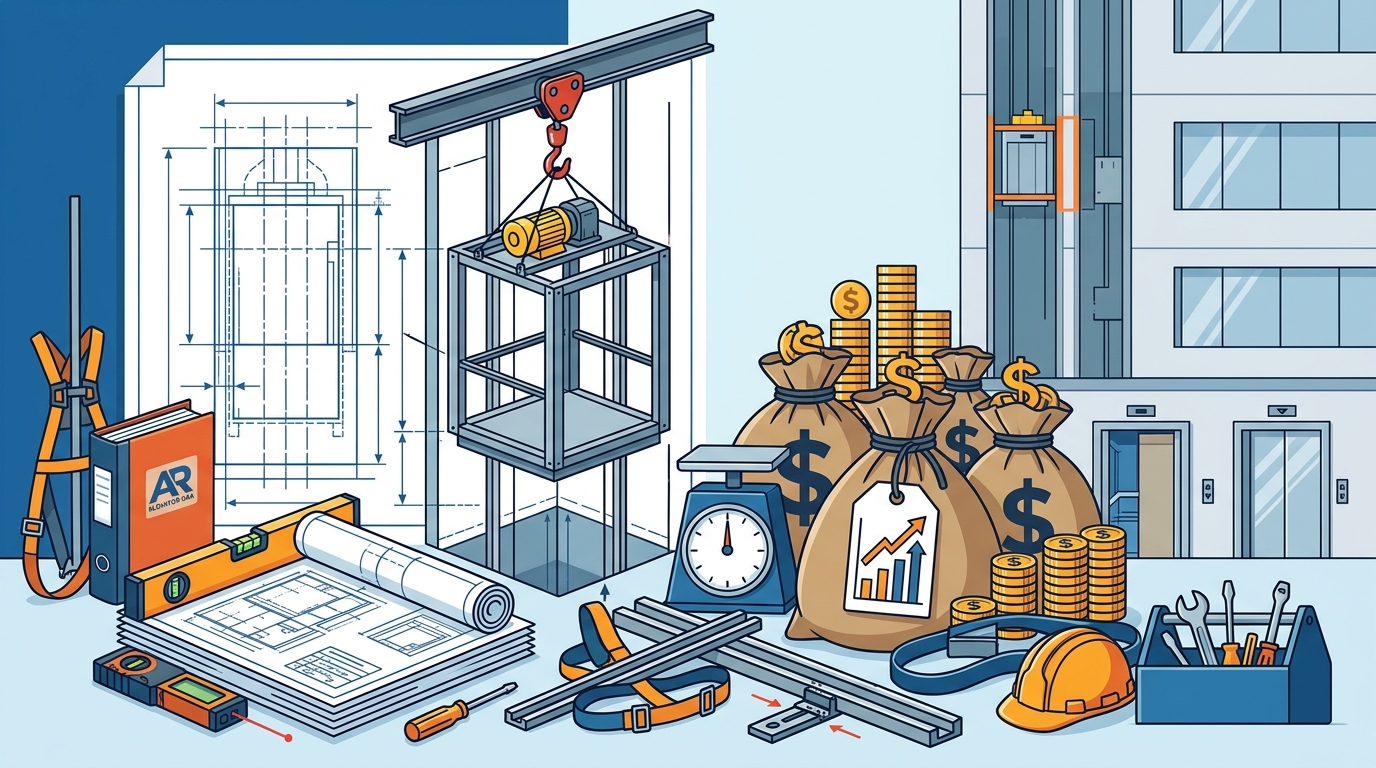
- Commercial elevator installation costs typically range from $80,000 to $250,000.
- Technology choice (Hydraulic vs. Traction) is the primary cost driver.
- ASME A17.1, A17.2, and A17.3 standards mandate strict safety protocols.
- AR Elevator USA provides 24/7 emergency service for Nevada and the West.
- Giga Lift Smart IoT services enable predictive maintenance and real-time monitoring.
- Energy-efficient systems can reduce operational costs by up to 75%.
- Annual inspections are required to maintain code compliance and safety.
Frequently Asked Questions
How long does a commercial elevator installation take?
The installation process typically takes 8 to 12 weeks from contract signing to final inspection. This timeline includes manufacturing, shaft preparation, and rigorous testing phases.
Do I need a permit for a new elevator installation?
Yes, all commercial elevator installations require permits from local building authorities. AR Elevator USA handles the permit application process and ensures all documentation is submitted correctly.
What is the difference between a hydraulic and traction elevator?
Hydraulic elevators use a piston and are best for low-rise buildings. Traction elevators use cables and are more efficient for mid to high-rise structures. Traction systems generally offer faster speeds and lower long-term energy costs.
How much does annual elevator maintenance cost?
Maintenance costs vary based on the elevator type and usage. On average, commercial elevator maintenance ranges from $1,000 to $2,500 per quarter. AR Elevator USA offers competitive pricing for comprehensive preventive maintenance plans.
Can AR Elevator USA modernize an existing elevator?
Yes, we specialize in elevator upgrading, alteration, and modernization services. We can update control systems, doors, and safety features to extend the elevator's life and improve performance.
What regions does AR Elevator USA serve?
We are a family-owned company proudly serving Nevada and the Western region. Our licensed team provides on-site support for all commercial and residential projects in these areas.
Is 24/7 emergency service included?
AR Elevator USA provides 24/7 emergency service to ensure minimal downtime for your building. Our certified technicians are available to respond to any urgent issues immediately.
Contact Us
Ready to start your commercial elevator project? Contact AR Elevator USA today for a transparent, detailed quote. We are committed to safety, reliability, and precision in every project. Visit our Contact Page to request a quote or schedule a consultation. Our team is ready to design, install, and maintain your elevator system with excellence.