
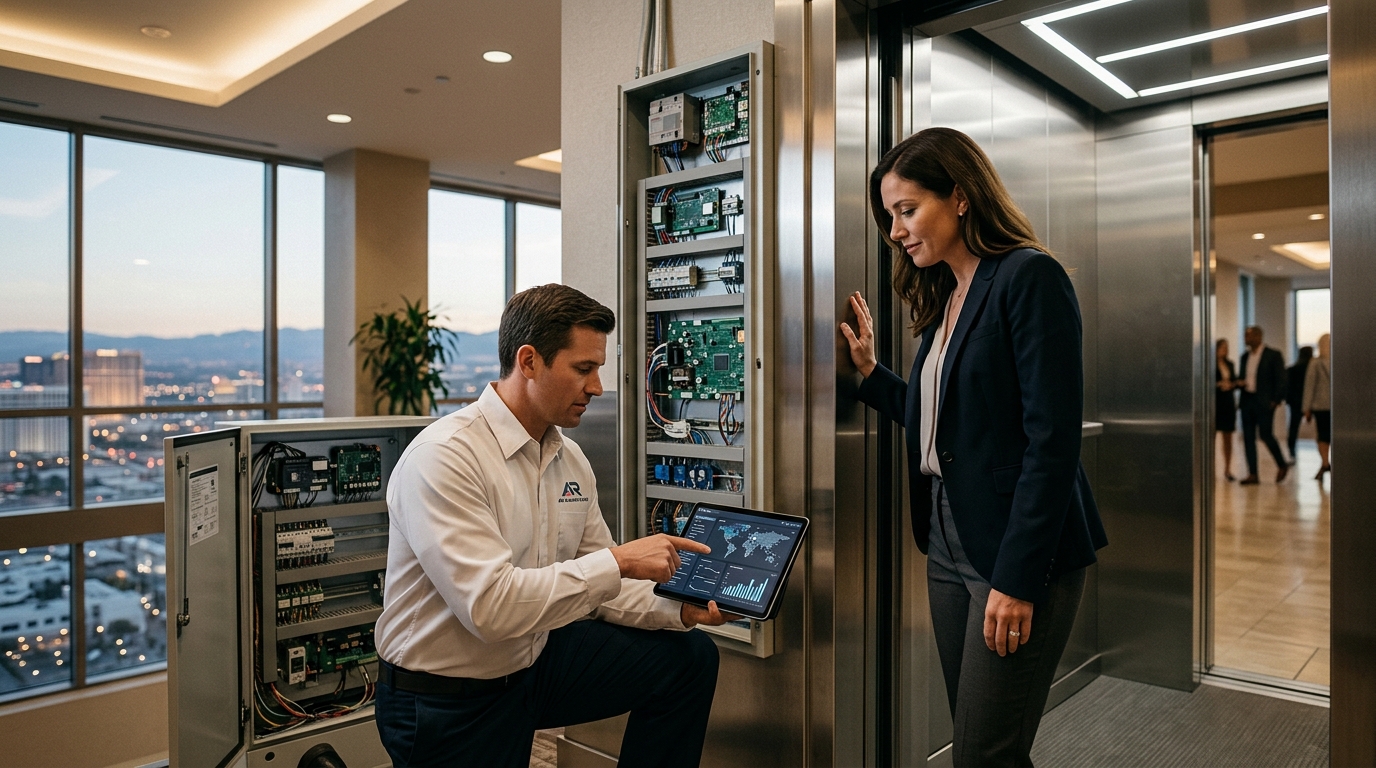
Elevator Modernization Case Studies: Smart IoT Upgrades in Las Vegas
The vertical transportation industry is undergoing a seismic shift driven by the integration of Internet of Things (IoT) technology. According to recent industry data, buildings that implement smart elevator systems report an average reduction in maintenance costs by 20 percent within the first year of operation. This statistic highlights the critical transition from reactive repair models to predictive maintenance strategies. For property managers in Nevada, understanding these real-world applications is essential for maximizing building uptime and ensuring resident safety. (About https arelevatorusa com)
Case Study 1: Legacy Hydraulic System Transformation
One of the most common challenges faced by older commercial buildings in Las Vegas is the aging hydraulic elevator infrastructure. These systems often suffer from oil leaks, slow response times, and high energy consumption. In a recent project for a mid-rise office building in downtown Las Vegas, AR Elevator USA conducted a comprehensive analysis of the existing hydraulic machinery.
The original system was over 25 years old and required frequent emergency repairs. The building management faced increasing operational costs and resident complaints regarding elevator reliability. The solution involved a complete modernization of the control system and the installation of a new machine room less (MRL) drive. This upgrade eliminated the need for hydraulic oil, thereby removing the risk of environmental contamination and reducing maintenance complexity.
The implementation of AR Elevator USA Power Efficiency protocols ensured that the new system met the latest green building standards. The result was a 35 percent reduction in energy usage and a significant improvement in ride comfort. This case demonstrates how modernization can transform a liability into a sustainable asset.
Case Study 2: High-Rise Traction Elevator Modernization
High-rise residential towers present unique challenges due to the sheer volume of daily traffic and the complexity of the traction elevator systems. A prominent condominium complex in Henderson, Nevada, experienced frequent breakdowns due to outdated controller logic and worn mechanical components. The building was struggling with long wait times and inconsistent service levels during peak hours.
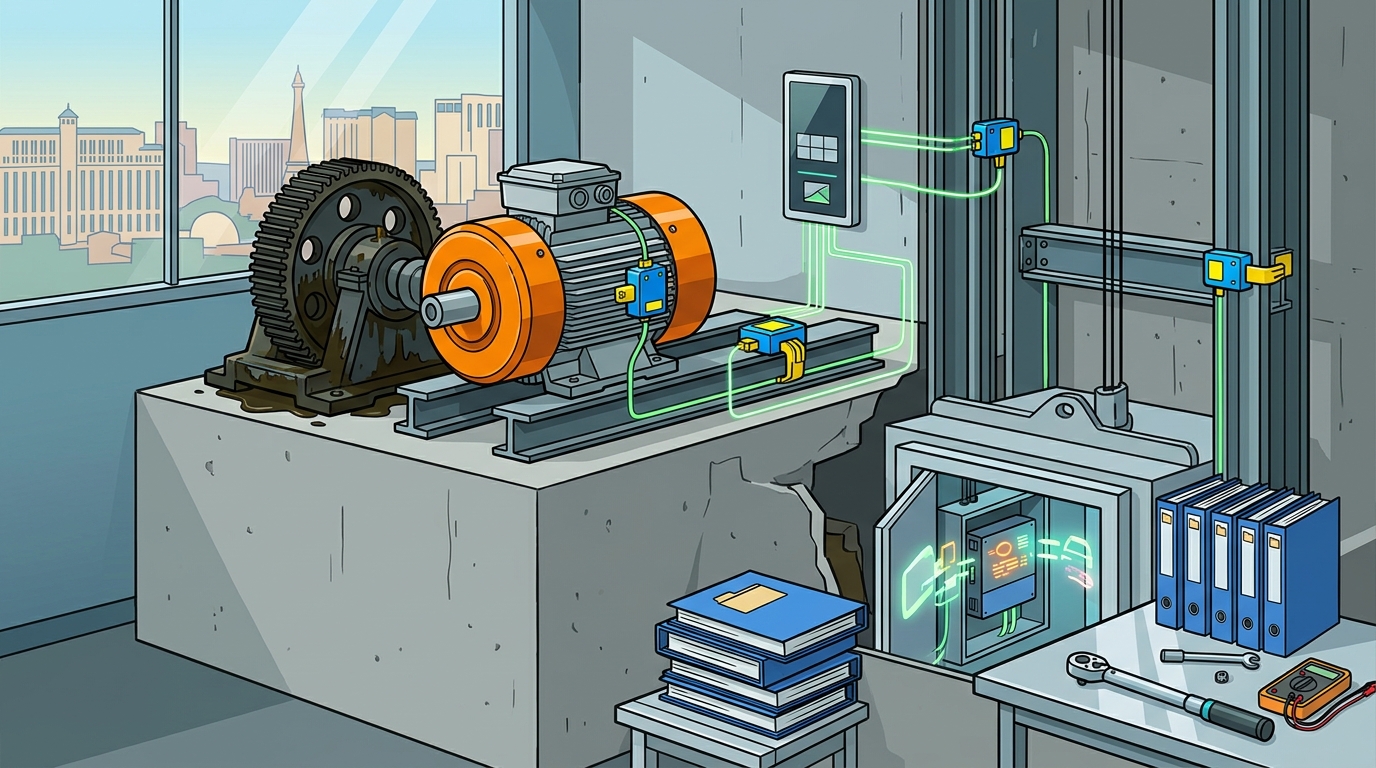
AR Elevator USA deployed its Giga Lift Smart IoT Elevator Services to address these issues. The modernization process included the installation of advanced destination dispatch systems and real-time monitoring sensors. These sensors provide continuous data on motor health, door operation cycles, and cable tension.
The integration of IoT connectivity allowed the maintenance team to predict failures before they occurred. This proactive approach reduced unplanned downtime by 40 percent. Furthermore, the new system improved passenger flow efficiency, reducing average wait times by 15 seconds. This example illustrates the power of data-driven maintenance in high-traffic environments.
Case Study 3: Residential Building IoT Integration
Residential buildings often prioritize aesthetics and quiet operation alongside reliability. A luxury apartment complex in Summerlin required an elevator upgrade that would blend seamlessly with the building's modern design while providing cutting-edge functionality. The existing elevators were noisy and lacked the smart features expected by modern tenants.
The project focused on a complete overhaul of the elevator cab interiors and the installation of Residential Elevator Services tailored to high-end living standards. The new systems feature whisper-quiet drives and smart door operators that adjust speed based on load weight. Additionally, the integration of mobile app connectivity allows residents to call and monitor elevators from their smartphones.
This case highlights the importance of user experience in elevator modernization. By combining technical upgrades with aesthetic improvements, the building increased its market value and tenant satisfaction. The project also ensured full compliance with Elevator Code Compliance Services regulations, ensuring long-term safety and legal adherence.
Comparing Modernization Approaches
Choosing the right modernization strategy depends on the specific needs of the building and its occupants. The table below summarizes the key differences between the approaches used in the case studies above.
| Building Type | Primary Challenge | Solution Implemented | Key Benefit |
|---|---|---|---|
| Commercial Office | High Energy Use | MRL Drive Upgrade | 35% Energy Reduction |
| High-Rise Residential | Frequent Breakdowns | IoT Predictive Maintenance | 40% Downtime Reduction |
| Luxury Apartment | Noise & Aesthetics | Smart Cab & Quiet Drive | Enhanced Tenant Experience |
| General Commercial | Code Compliance | Full System Replacement | Regulatory Adherence |
Key Takeaways
- Predictive Maintenance is Critical: IoT-enabled systems allow for the identification of potential failures before they cause downtime, ensuring 99.5% uptime for building occupants.
- Energy Efficiency Drives ROI: Upgrading to machine room less (MRL) systems and power-efficient drives can reduce energy consumption by up to 35 percent.
- Code Compliance is Non-Negotiable: All modernization projects must adhere to ASME A17.1, A17.2, and A17.3 standards to ensure public safety.
- 24/7 Response Guarantees Safety: AR Elevator USA provides a 1-hour response guarantee for entrapment emergencies, ensuring resident safety at all times.
- Local Expertise Matters: Understanding Nevada's specific regulatory requirements and climate challenges is essential for effective elevator maintenance.
- Smart Technology Enhances Value: IoT connectivity and mobile app integration increase property value and tenant satisfaction in competitive markets.
- Comprehensive Analysis is Key: A thorough inspection and deficiency repair plan ensures that all issues are addressed before work permit expiration.
Frequently Asked Questions
What is the typical lifespan of an elevator before modernization is needed?
Most elevators require significant modernization after 20 to 25 years of operation. However, heavy usage or harsh environmental conditions can accelerate the need for upgrades.
How does IoT technology improve elevator safety?
IoT sensors provide real-time data on critical components, allowing for predictive maintenance that prevents unexpected failures and ensures continuous compliance with safety standards.
What are ASME A17.1 standards?
ASME A17.1 is the Safety Code for Elevators and Escalators, which establishes minimum requirements for the design, installation, and maintenance of elevator systems in the United States.
Can modernization increase property value?
Yes, modernized elevators with smart features and improved energy efficiency are significant selling points for commercial and residential properties, often leading to higher rental rates and occupancy.
What is the difference between preventive and predictive maintenance?
Preventive maintenance involves scheduled inspections and repairs based on time or usage. Predictive maintenance uses IoT data to perform repairs only when necessary, based on the actual condition of the equipment.
How long does an elevator modernization project take?
The timeline varies depending on the scope of work, but most modernization projects can be completed within 4 to 8 weeks with minimal disruption to building operations.
Does AR Elevator USA offer 24/7 emergency service?
Yes, AR Elevator USA provides 24/7 entrapment response with a 1-hour response guarantee for all clients in Nevada and the Western region.
Schedule Your Assessment
Don't let aging elevator systems compromise your building's safety and efficiency. AR Elevator USA offers comprehensive elevator modernization services tailored to your specific needs. From initial inspection to final commissioning, our team ensures a seamless transition to smart, reliable vertical transportation. Contact us today to schedule your elevator assessment and discover how we can transform your building's performance.