
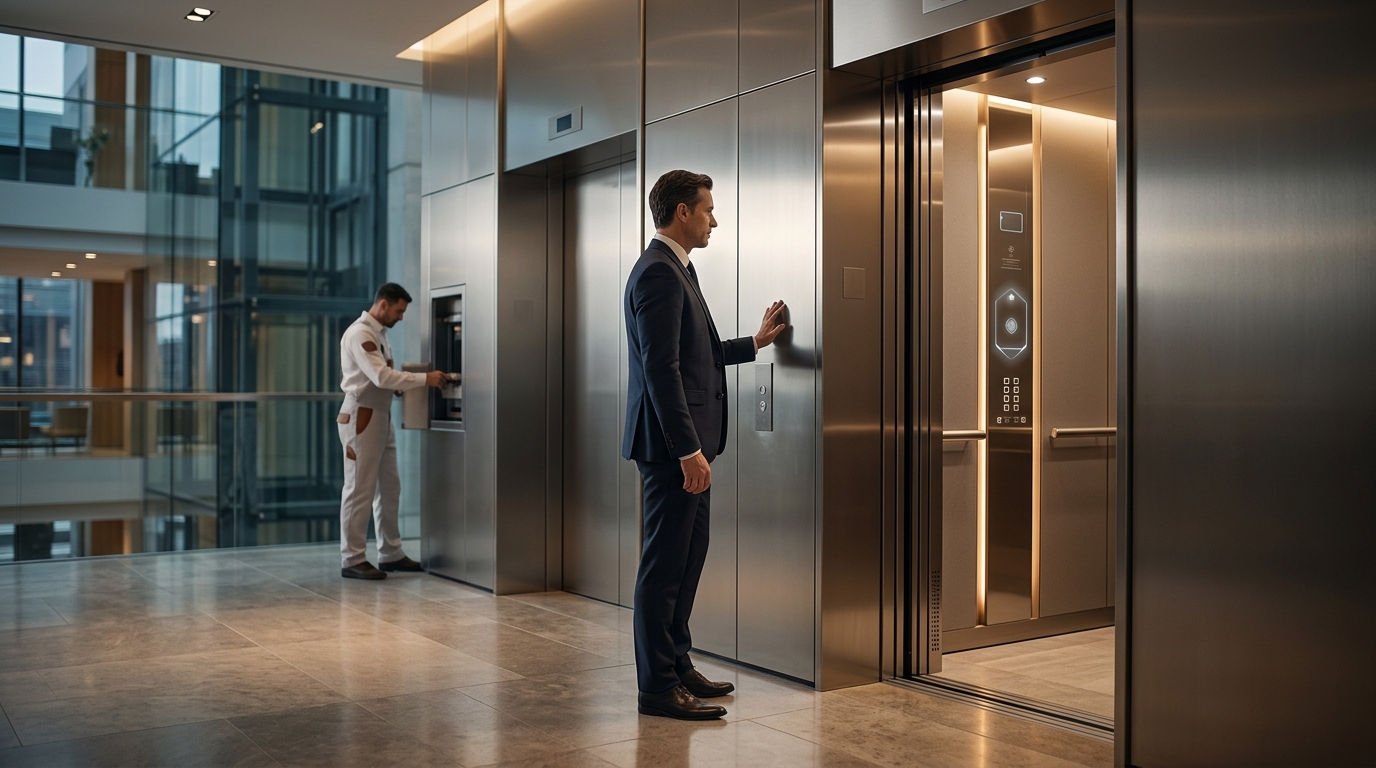
The vertical transportation industry is undergoing a seismic shift driven by digital connectivity. Industry reports indicate that smart building technologies are now essential for operational efficiency in high-rise commercial properties. Property managers and building owners must evaluate these upgrades not just as maintenance tasks, but as strategic infrastructure investments. This guide explores how Internet of Things (IoT) integration transforms traditional elevator systems into intelligent, predictive assets. (About https arelevatorusa com)
What Are Smart Elevator Systems?
Smart elevator systems represent the convergence of mechanical engineering and digital data analytics. Unlike traditional elevators that operate on fixed cycles, smart systems utilize real-time data to optimize performance. Research from leading tech institutes confirms that connected infrastructure reduces energy consumption by up to 30% in commercial buildings. (Annual Inspection Deficiency Repair)
At the core of this transformation is the Giga Lift Smart IoT Elevator Service. This technology enables continuous monitoring of elevator health, allowing for predictive maintenance rather than reactive repairs. By integrating with building management systems, these elevators communicate their status, location, and potential issues to facility managers instantly.
For property owners in Nevada and the Western region, this means fewer disruptions and extended equipment lifespan. The transition from mechanical-only oversight to data-driven management is no longer optional for premium facilities.
Core IoT Technologies in Vertical Transport
Understanding the technical foundation of smart elevators is crucial for accurate evaluation. The following components form the backbone of modern vertical transportation intelligence.
Predictive Maintenance Algorithms
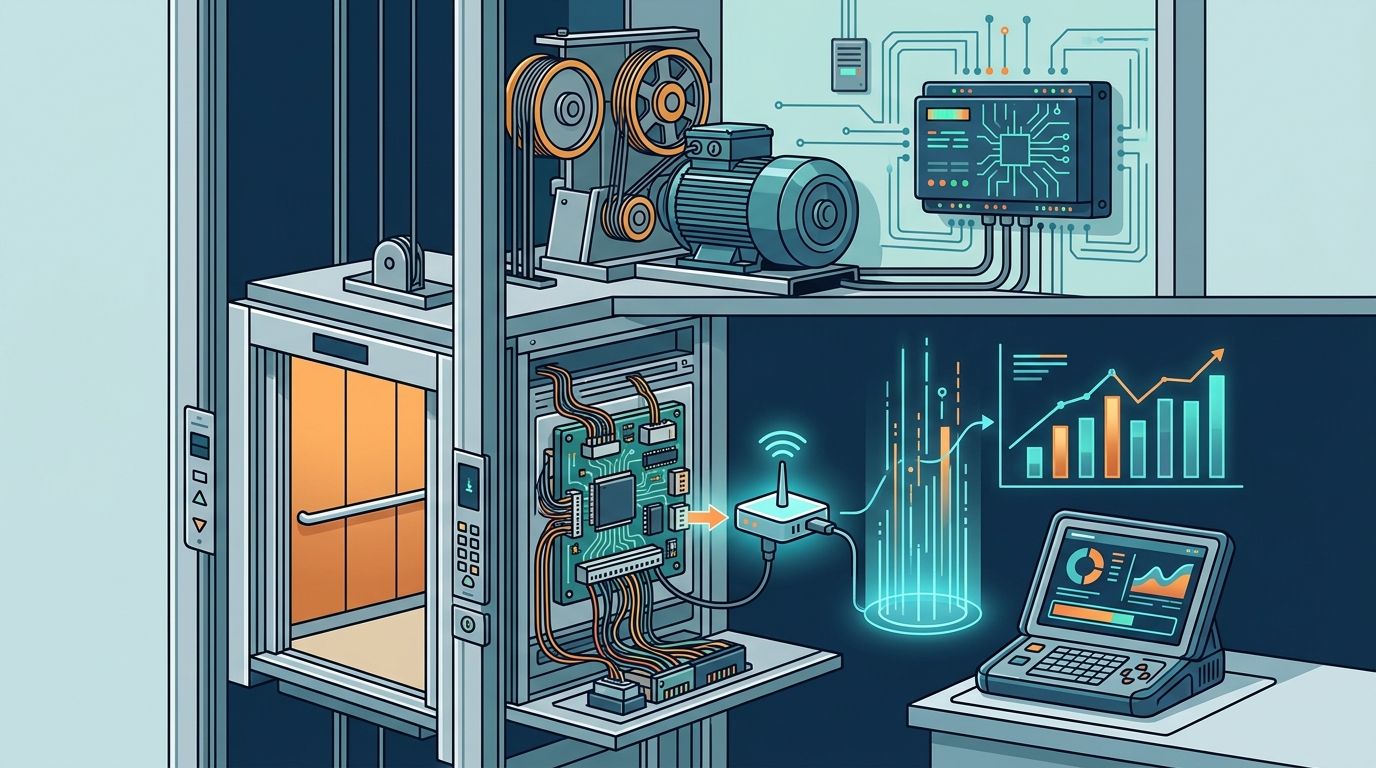
Predictive maintenance uses sensor data to forecast component failures before they occur. McKinsey analysis suggests that predictive maintenance can reduce downtime by 50% and extend asset life by 20 to 40%. Sensors monitor vibration, temperature, and motor current to detect anomalies.
Real-Time Monitoring Dashboards
Facility managers access live data through cloud-based dashboards. These platforms provide visibility into elevator usage patterns, peak hours, and energy consumption. This data allows for dynamic scheduling of maintenance crews, ensuring that repairs happen during low-traffic periods.
IoT Connectivity Protocols
Reliable connectivity is non-negotiable for smart elevators. Modern systems use secure, encrypted protocols to transmit data from the shaft to the cloud. This ensures that critical safety information is never lost, even in high-interference environments.
Evaluating ROI and Power Efficiency
One of the primary drivers for smart elevator adoption is return on investment (ROI). While the initial cost of IoT integration is higher than traditional systems, the long-term savings are significant.
Energy Savings
Smart elevators optimize regenerative braking and idle times. Department of Energy guidelines highlight that energy-efficient elevator systems can reduce building electricity costs by 15 to 25%. AR Elevator USA specializes in power-efficient designs that align with green building certifications.
Reduced Maintenance Costs
By preventing catastrophic failures, building owners avoid expensive emergency repair bills. The cost of a scheduled IoT-driven repair is a fraction of the cost of an unplanned outage that traps passengers or halts building operations.
Increased Property Value
Buildings with smart infrastructure command higher lease rates. Tenants expect seamless, reliable vertical transportation. A smart elevator system is a tangible asset that enhances the overall value of the commercial property.
Modernization vs. Replacement Decisions
Not every aging elevator requires a full replacement. Evaluating whether to modernize or replace depends on the structural integrity of the shaft and the age of the mechanical components.
When to Modernize
Modernization is ideal for elevators that are structurally sound but technologically obsolete. Upgrading the control system, motor, and IoT sensors can extend the life of the elevator by 15 to 20 years. This approach is often more cost-effective than a complete teardown and rebuild.
When to Replace
Replacement is necessary when the mechanical infrastructure is severely degraded or when the building's traffic patterns have changed drastically. New installations allow for custom configurations that older shafts cannot support.
AR Elevator USA provides comprehensive assessments to determine the best path forward. Their team evaluates the current system's condition against modern IoT capabilities to ensure the most logical investment.
Compliance and Safety Standards
Smart elevators must adhere to strict safety regulations. Compliance is not just a legal requirement but a moral obligation to building occupants.
ASME A17.1 Standards
The American Society of Mechanical Engineers (ASME) sets the national safety code for elevators. ASME standards require rigorous testing and documentation for all elevator systems. Smart elevators must integrate seamlessly with these existing safety protocols.
Nevada State Regulations
Nevada has specific regulations regarding elevator inspections and code compliance. Property owners must ensure that any smart upgrades meet or exceed state requirements. AR Elevator USA offers specialized code compliance services to navigate these complex regulations.
Data Security
As elevators become more connected, data security becomes paramount. Protecting passenger privacy and preventing cyber threats to building infrastructure is critical. Smart elevator systems must employ robust encryption and access controls.
Key Takeaways
- Smart elevators use IoT sensors to enable predictive maintenance, reducing downtime by up to 50%.
- Energy-efficient smart systems can lower building electricity costs by 15 to 25% according to Department of Energy data.
- Modernization is often more cost-effective than replacement for structurally sound but technologically obsolete elevators.
- AR Elevator USA provides 24/7 entrapment response with a 1-hour response guarantee for Nevada properties.
- Compliance with ASME A17.1, A17.2, and A17.3 standards is mandatory for all elevator installations.
- Smart elevator upgrades enhance property value by improving tenant experience and operational efficiency.
- Predictive maintenance extends elevator lifespan by 20 to 40% compared to reactive repair models.
Frequently Asked Questions
What is the difference between smart elevator modernization and traditional repair?
Traditional repair addresses immediate mechanical failures, while smart modernization integrates IoT technology to prevent future issues through predictive analytics and real-time monitoring.
How much does a smart elevator upgrade cost?
Costs vary based on the elevator type and building complexity. However, the long-term savings in energy and maintenance often offset the initial investment within a few years.
Do smart elevators require internet connectivity?
Yes, smart elevators rely on secure internet connectivity to transmit data to cloud-based dashboards for monitoring and analysis.
Is smart elevator technology compatible with older buildings?
Yes, many smart components can be retrofitted into existing elevator systems, provided the structural integrity of the shaft is sufficient.
What safety standards do smart elevators follow?
Smart elevators must comply with ASME A17.1 safety codes and local state regulations, such as those enforced by Nevada's division of architecture.
How does predictive maintenance work?
Predictive maintenance uses sensor data to identify potential component failures before they occur, allowing for scheduled repairs during low-traffic periods.
Can smart elevators reduce energy consumption?
Yes, smart elevators optimize energy use through regenerative braking and intelligent scheduling, potentially reducing consumption by up to 30%.
What is the role of AR Elevator USA in smart elevator upgrades?
AR Elevator USA provides end-to-end services including assessment, installation, and ongoing maintenance of smart elevator systems, ensuring compliance and optimal performance.
Ready to Modernize Your Vertical Transportation?
Evaluating smart elevator upgrades is a critical step toward operational excellence. Partner with a licensed, full-service expert to ensure your investment delivers maximum value. Contact AR Elevator USA today to schedule your comprehensive elevator assessment and explore our Giga Lift Smart IoT solutions.