
Common Nevada Elevator Code Compliance Mistakes and How to Prevent Them
Facility managers in Nevada face a unique regulatory landscape when managing vertical transportation systems. According to the Nevada Division of Safety of Dams (DSOD), elevator safety inspections are mandatory and strictly enforced to prevent catastrophic failures. Non-compliance does not just risk heavy fines; it threatens the operational continuity of commercial and residential properties across the state. This guide details the most frequent compliance errors and provides actionable strategies to ensure your elevators meet Nevada state codes and ASME A17.1 standards.
Understanding Nevada Elevator Regulations
Elevator codes in Nevada are governed by the Nevada Division of Safety of Dams (DSOD). These regulations are designed to ensure that all passenger and freight elevators operate safely for the public. The state adopts the ASME A17.1 Safety Code for Elevators and Escalators, with specific state amendments that must be followed. Failure to adhere to these codes can result in severe penalties, including operational shutdowns and significant financial liabilities.
ARElevator USA specializes in navigating these complex regulatory requirements. Our team ensures that every installation, repair, and maintenance activity aligns with the latest Nevada state codes. By partnering with a certified provider, building owners can mitigate risks and ensure continuous compliance. For more information on our services, visit ARElevator USA Services.
Mistake 1: Ignoring Annual Inspections
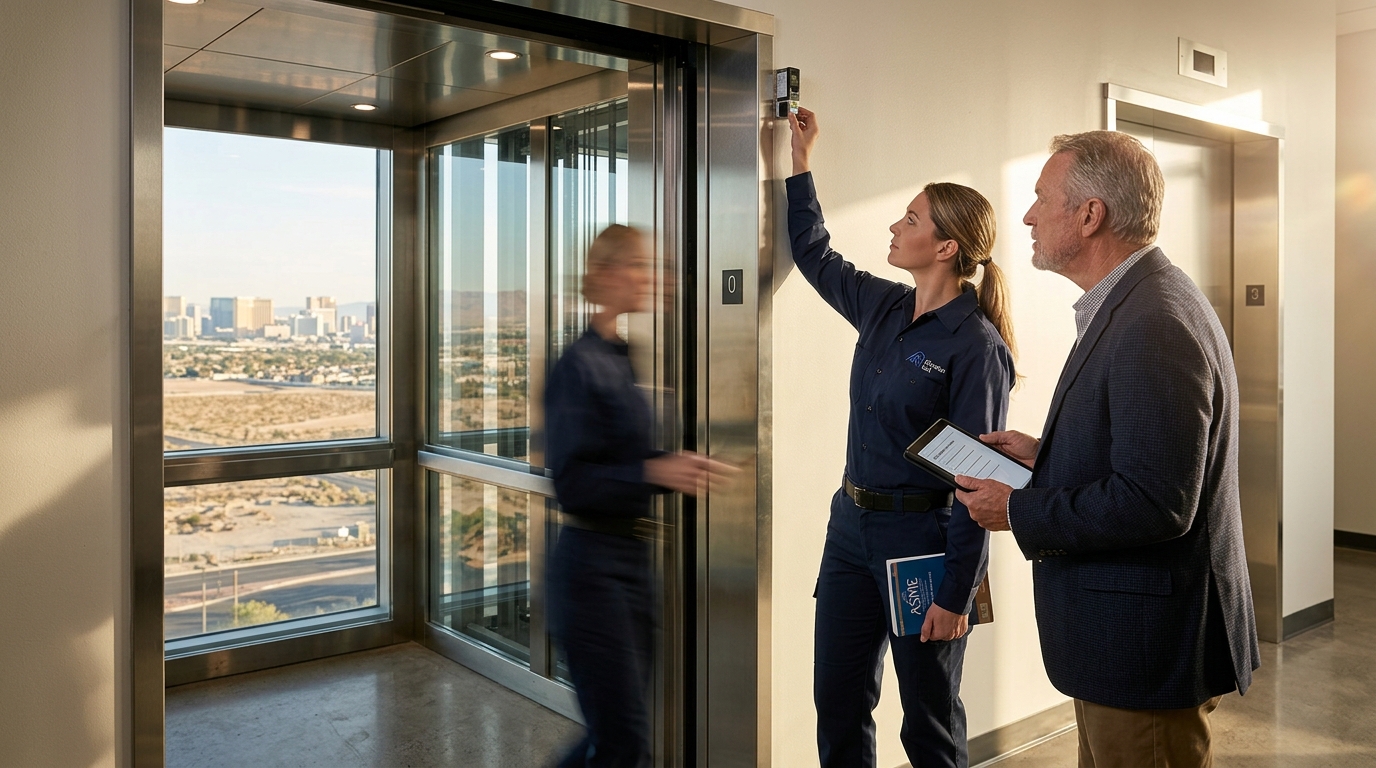
One of the most common and dangerous mistakes is neglecting mandatory annual inspections. Nevada law requires that all elevators undergo a thorough inspection by a licensed inspector. This inspection verifies that the elevator meets all safety standards and is free from hazardous conditions.
Many building owners delay inspections due to budget constraints or operational inconvenience. However, this delay can lead to undetected wear and tear, which increases the risk of accidents. Regular inspections help identify minor issues before they become major problems. To schedule your next inspection, contact ARElevator USA today.
Mistake 2: Poor Maintenance Records
Maintaining accurate and detailed maintenance records is crucial for compliance. Inspectors and regulatory bodies require proof that regular maintenance has been performed. Poor record-keeping can lead to failed inspections and legal complications.
Effective record-keeping includes logs of all repairs, parts replacements, and routine maintenance tasks. Digital record-keeping systems can streamline this process and ensure data integrity. ARElevator USA provides comprehensive maintenance reports for every service call. Learn more about our maintenance programs at ARElevator USA Maintenance.
Mistake 3: Outdated Safety Features
Elevator technology evolves rapidly, and safety features must be updated to meet current standards. Outdated safety features, such as old door operators or lack of modern communication systems, can pose significant risks. Nevada codes require specific safety features, such as emergency lighting and two-way communication devices.
Upgrading these features not only ensures compliance but also enhances passenger safety and experience. ARElevator USA offers modernization services to upgrade older elevators with state-of-the-art safety components. Discover our modernization solutions at ARElevator USA Modernization.
Mistake 4: Inadequate Emergency Communication
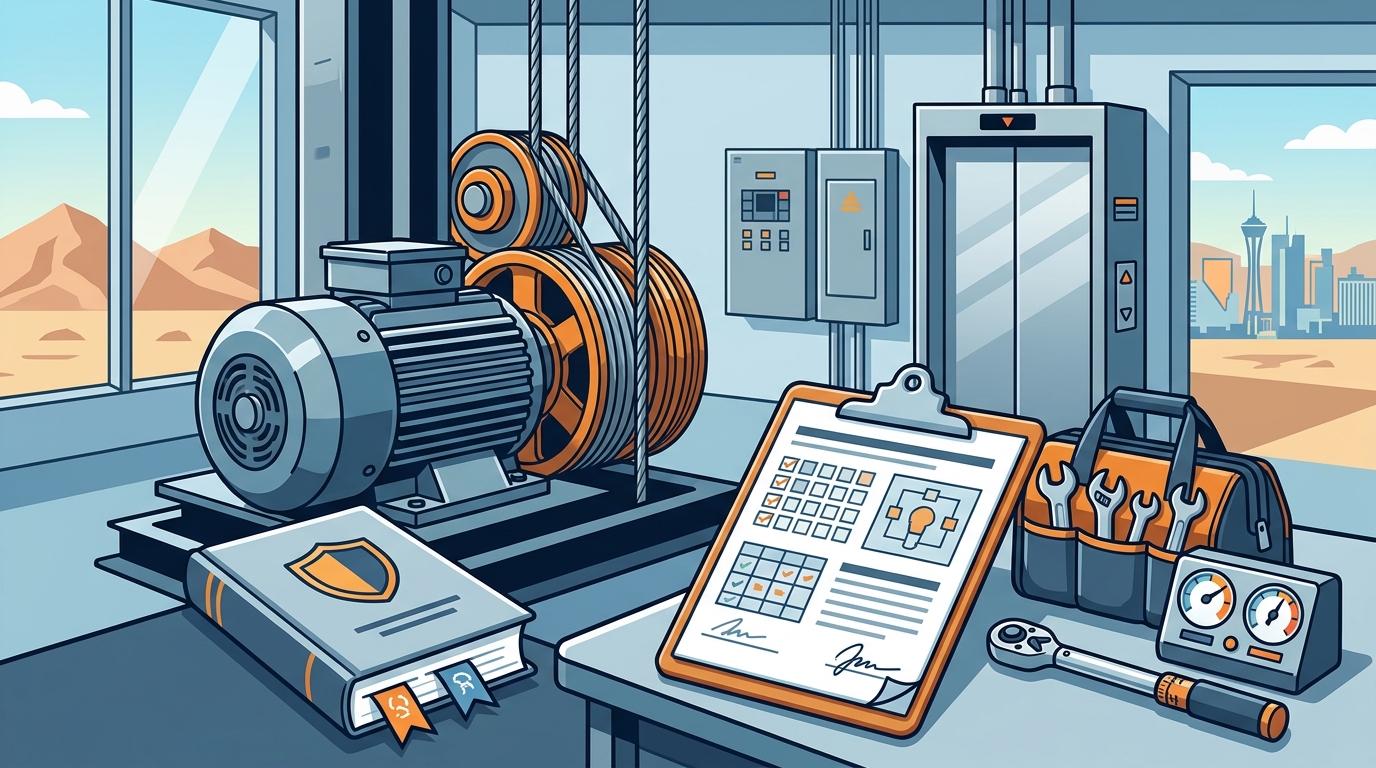
Emergency communication systems are a critical component of elevator safety. These systems allow passengers to contact help in the event of a breakdown or entrapment. Inadequate or non-functional emergency communication devices are a frequent cause of compliance failures.
Nevada regulations mandate that emergency communication devices be tested regularly and remain fully operational. This includes ensuring that the devices can connect to emergency services or building management. ARElevator USA includes emergency communication testing in all our maintenance packages. For details on our testing protocols, visit ARElevator USA Testing.
Mistake 5: Lack of Qualified Personnel
Another common mistake is relying on unqualified personnel for elevator maintenance and repairs. Elevator work requires specialized knowledge and certification. Unqualified technicians may miss critical safety issues or perform improper repairs, leading to further damage.
It is essential to hire certified elevator professionals who understand Nevada codes and ASME standards. ARElevator USA employs highly trained and certified technicians who are experts in elevator safety. Trust our qualified team to keep your elevators safe and compliant. Explore our team credentials at ARElevator USA About Us.
Nevada Elevator Compliance Checklist
To help building owners stay compliant, here is a checklist of essential compliance requirements:
| Compliance Area | Requirement | Frequency | Responsible Party |
|---|---|---|---|
| Annual Inspection | State-mandated safety inspection by licensed inspector | Annually | Building Owner |
| Emergency Communication | Functional two-way communication device | Monthly Testing | Maintenance Provider |
| Maintenance Records | Detailed logs of all service and repairs | Ongoing | Maintenance Provider |
| Safety Features | Up-to-date door operators and safety devices | As Needed | Building Owner |
| Qualified Personnel | Certified technicians for all work | Per Service | Maintenance Provider |
Key Takeaways
- Regulatory Authority: The Nevada Division of Safety of Dams (DSOD) enforces elevator safety codes in the state.
- Annual Inspections: Mandatory annual inspections are required to ensure elevator safety and compliance.
- Maintenance Records: Accurate and detailed maintenance records are essential for proving compliance.
- Safety Upgrades: Regular upgrades to safety features are necessary to meet evolving ASME standards.
- Emergency Communication: Functional emergency communication devices are a critical compliance requirement.
- Qualified Technicians: Only certified professionals should perform elevator maintenance and repairs.
- Proactive Compliance: Partnering with a reputable provider like ARElevator USA ensures ongoing compliance and safety.
Frequently Asked Questions
What is the primary regulatory body for elevator safety in Nevada?
The primary regulatory body is the Nevada Division of Safety of Dams (DSOD), which enforces state elevator codes and conducts inspections.
How often must elevators be inspected in Nevada?
Elevators in Nevada must undergo a mandatory annual inspection by a licensed inspector to ensure they meet safety standards.
What happens if an elevator fails its inspection?
If an elevator fails inspection, it must be taken out of service until all identified issues are corrected and re-inspected by a licensed inspector.
Are there specific requirements for emergency communication devices?
Yes, Nevada codes require elevators to have a functional two-way emergency communication device that allows passengers to contact help in case of entrapment.
Can building owners perform their own elevator maintenance?
No, elevator maintenance and repairs must be performed by certified and qualified elevator technicians to ensure safety and compliance.
What are the benefits of elevator modernization?
Elevator modernization improves safety, enhances passenger experience, reduces maintenance costs, and ensures compliance with current codes and standards.
How can I verify that my elevator maintenance provider is certified?
You can verify certification by checking with the Nevada Division of Safety of Dams or by requesting proof of certification from the maintenance provider.
Contact ARElevator USA
Ensuring elevator compliance in Nevada requires expertise, diligence, and a proactive approach. ARElevator USA is your trusted partner in maintaining safe, compliant, and efficient elevator systems. Our team of certified professionals is dedicated to providing top-notch service and support. Contact us today to schedule an inspection or discuss your elevator needs. Visit ARElevator USA Contact Page to get started.