
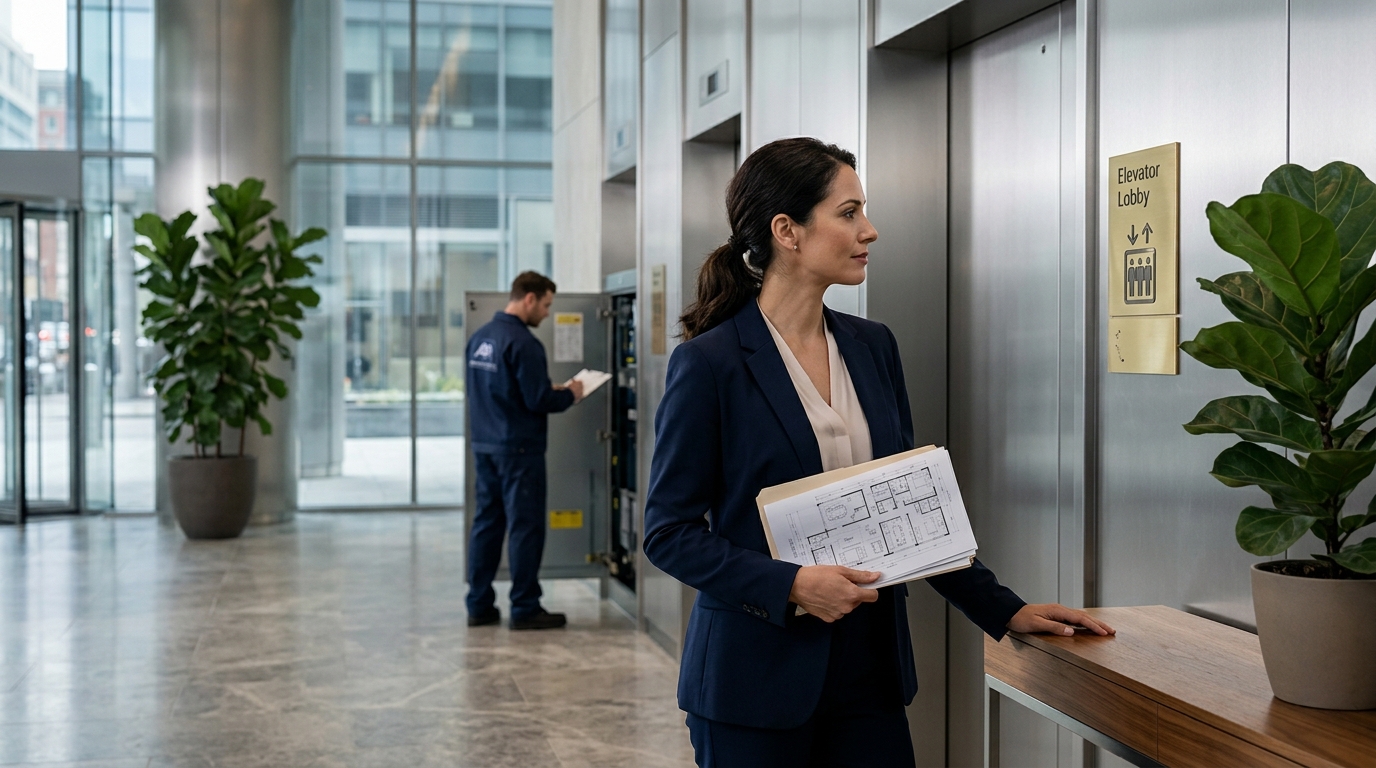
Common Mistakes in Commercial Elevator Installation Budget Planning
Commercial elevator projects frequently exceed initial cost estimates by 20 to 30 percent due to overlooked technical variables and regulatory hurdles. According to industry data from the National Elevator Industry Inc. (NEII), proper budget forecasting is critical for avoiding project delays that can stall building occupancy and revenue generation. This guide details the specific financial pitfalls that property developers and facility managers encounter during the planning phase of vertical transportation projects. (About https arelevatorusa com)
Structural and Civil Work Oversights
One of the most frequent budgetary errors is treating the elevator shaft as a pre-existing, ready-to-use space. In reality, the civil work required to prepare a site often dwarfs the cost of the elevator equipment itself. This includes reinforcing the machine room floor, installing new hoistway walls, and preparing the pit for hydraulic or traction systems. (Elevator Code Compliance Services)
When budgeting for a new installation, you must account for the structural integrity of the building. If the existing concrete cannot support the dynamic loads of a modern traction elevator, significant steel reinforcement is required. This is particularly true in older commercial buildings in Las Vegas where original construction standards may not meet current seismic codes. Failing to include these civil engineering costs in the initial budget leads to change orders that can add tens of thousands of dollars to the final invoice. (Annual Inspection Deficiency Repair)
Additionally, the location of the machine room plays a critical role. Machine-Room-Less (MRL) elevators have become the industry standard for energy efficiency and space saving. However, installing an MRL system requires precise coordination with the building's architectural plans to ensure the motor is properly mounted within the hoistway. If the budget does not account for the specialized mounting hardware and the architectural modifications needed to hide the machinery, the project will face immediate financial strain.
Ignoring Nevada Code Compliance Costs
Compliance is not a fixed cost; it is a variable expense that depends heavily on the jurisdiction and the age of the building. In Nevada, elevator systems must adhere to strict state regulations that often exceed federal minimums. AR Elevator USA specializes in navigating these complex regulatory landscapes, ensuring that every installation meets the rigorous standards set by local authorities.
A common mistake is assuming that the elevator equipment cost includes all compliance fees. In many cases, the cost of the annual inspection, the testing by certified technicians, and the necessary documentation are separate line items. Furthermore, if the building is undergoing a renovation, it may trigger a requirement to bring the entire system up to current ASME A17.1 standards. This can necessitate upgrades to safety brakes, door operators, and emergency communication systems that were not part of the original quote.
For properties in Southern Nevada, the climate also impacts compliance. High temperatures and dust can accelerate wear on mechanical components, leading to more frequent inspections and potential code violations if preventive maintenance is not budgeted for. Ignoring these environmental factors in the budget planning phase can result in failed inspections and costly delays before the elevator is even put into service.
Modernization vs. New Installation Budgeting
Deciding between a modernization and a complete new installation is a critical financial decision. Many property owners attempt to modernize aging systems to save money, but they often underestimate the complexity of integrating new technology with obsolete infrastructure. Modernization involves replacing the control system, motor, and door operators while retaining the existing rails and car. This process is highly sensitive to the condition of the existing shaft and machinery.
If the existing rails are worn or the pit depth is insufficient for modern equipment, the modernization budget will quickly escalate as unexpected repairs are discovered. Conversely, a new installation offers a clean slate but comes with higher upfront costs and longer lead times. The decision should be based on a detailed technical audit rather than a simple price comparison.
AR Elevator USA provides comprehensive modernization solutions that transform aging elevators into smart, efficient systems. By leveraging cutting-edge IoT technology, we can often achieve significant energy savings and improved reliability without the need for a full replacement. However, this requires a thorough initial assessment to ensure the existing structure can support the new technology. Budgeting for a modernization without this assessment is a recipe for financial disaster.
Underestimating Smart IoT Integration
The integration of Internet of Things (IoT) technology is no longer a luxury; it is a necessity for modern commercial buildings. Smart elevator systems provide real-time monitoring, predictive maintenance alerts, and enhanced security features. However, the cost of these systems is often overlooked in the initial budget.
IoT-enabled elevators require robust network infrastructure within the building. This includes wiring, servers, and cybersecurity measures to protect the data generated by the system. Additionally, the software licenses for monitoring platforms and the training for facility staff to interpret the data must be included in the budget. While these costs may seem high initially, they significantly reduce long-term operational expenses by preventing unexpected breakdowns.
For example, predictive maintenance algorithms can detect anomalies in motor performance before they lead to a failure. This allows for scheduled repairs during off-hours, minimizing downtime for building occupants. According to industry reports, buildings with smart elevator systems experience up to 30 percent fewer emergency calls. This reduction in emergency service calls directly translates to lower operational costs and higher tenant satisfaction.
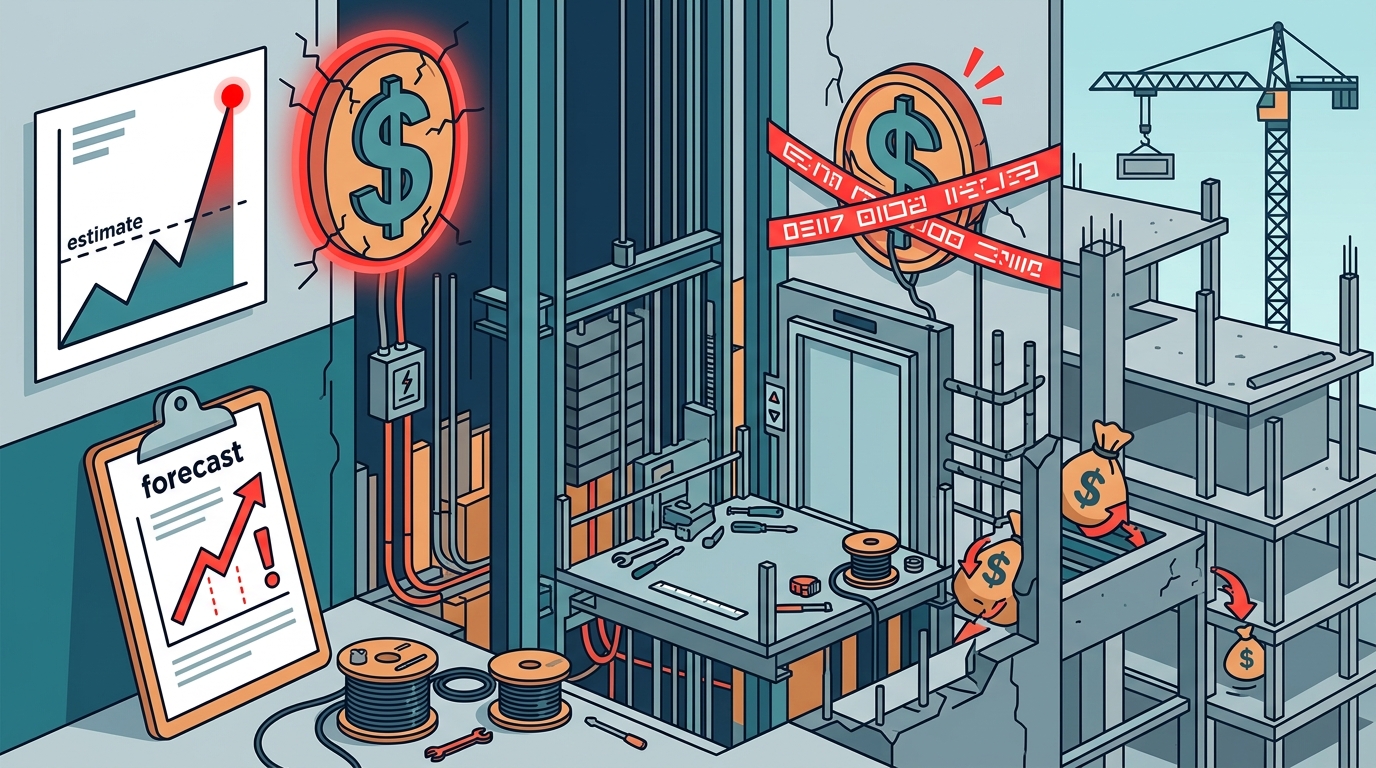
Long-Term Maintenance and Uptime Projections
Many developers focus exclusively on the capital expenditure (CapEx) of the installation and neglect the operational expenditure (OpEx) of maintenance. Elevators are complex mechanical systems that require regular servicing to remain safe and reliable. The cost of preventive maintenance contracts can vary significantly based on the type of elevator, the frequency of use, and the level of service required.
A common mistake is selecting the lowest bid for maintenance without considering the quality of the service. Low-cost contracts often use less experienced technicians or delay the procurement of parts, leading to longer repair times and higher overall costs. In contrast, a comprehensive maintenance program ensures that parts are replaced proactively, extending the life of the equipment and maintaining high uptime.
AR Elevator USA offers a 99.5 percent uptime guarantee through our predictive maintenance programs. This level of reliability is achieved through regular inspections, rapid response to issues, and the use of high-quality replacement parts. When budgeting for an elevator project, it is essential to include a realistic projection of these ongoing costs. A well-maintained elevator system can last 20 to 30 years, while a neglected one may require replacement in half that time.
Vendor Selection and Pricing Transparency
The choice of elevator vendor has a profound impact on the final cost of the project. Some vendors may offer low initial prices but exclude critical components or services from their quotes. This "lowball" strategy can lead to significant budget overruns as the project progresses and additional costs are revealed.
It is crucial to select a vendor that provides transparent, detailed pricing. This includes the cost of the equipment, installation, inspection, and any necessary civil work. AR Elevator USA is committed to providing clear, upfront pricing for all our services. We evaluate each project individually to ensure that the budget reflects the true scope of work required.
Additionally, the vendor's experience and reputation are important factors. A vendor with extensive experience in commercial installations is more likely to anticipate potential issues and provide accurate cost estimates. They are also more likely to have established relationships with suppliers and inspectors, which can help streamline the project and reduce costs.
Key Takeaways
- Structural Integrity is Key: Always budget for civil work and structural reinforcement, as these costs are often underestimated in initial quotes.
- Compliance is Variable: Nevada code requirements can trigger additional upgrades during renovations; factor in ASME A17.1 compliance costs.
- Modernization Risks: Modernizing old systems can lead to hidden costs if the existing infrastructure is not compatible with new technology.
- IoT Costs: Include network infrastructure and software licensing in the budget for smart elevator systems to ensure full functionality.
- Maintenance Budgeting: Plan for long-term operational costs, including preventive maintenance and emergency response, to ensure high uptime.
- Transparent Pricing: Choose vendors who provide detailed, transparent quotes to avoid surprise change orders and budget overruns.
- Local Expertise: Work with a local provider who understands Nevada's specific regulatory and environmental challenges.
Frequently Asked Questions
How much does a commercial elevator installation typically cost?
The cost varies widely based on the type of elevator, building height, and customization options. A basic hydraulic elevator might start at $50,000, while a high-speed traction elevator can exceed $200,000. Civil work and compliance costs can add significant amounts to this base price.
What is the difference between a modernization and a new installation?
A modernization replaces the internal components of an existing elevator, such as the motor and controls, while keeping the shaft and rails. A new installation involves removing the old system and building a completely new one, which is more expensive but offers the latest technology and efficiency.
Why is IoT technology important for commercial elevators?
IoT technology enables predictive maintenance, real-time monitoring, and enhanced security. It helps prevent unexpected breakdowns and reduces emergency service calls, leading to lower operational costs and higher tenant satisfaction.
How often do commercial elevators need to be inspected?
Commercial elevators typically require annual inspections to ensure compliance with safety codes. However, high-traffic buildings may need more frequent inspections to maintain safety and reliability.
What are the most common budget mistakes in elevator projects?
The most common mistakes include underestimating civil work costs, ignoring compliance requirements, and failing to budget for long-term maintenance. These oversights can lead to significant budget overruns and project delays.
Does AR Elevator USA offer 24/7 emergency service?
Yes, AR Elevator USA provides 24/7 entrapment response with a 1-hour response guarantee for our clients in Southern Nevada. This ensures that building occupants are never left stranded for long periods.
How can I ensure my elevator project stays on budget?
To stay on budget, work with a transparent vendor who provides detailed quotes, conduct a thorough site assessment, and plan for both capital and operational expenses. Regular communication with your vendor throughout the project is also essential.
Contact AR Elevator USA for Expert Budget Planning
Avoid the financial pitfalls of commercial elevator installation by partnering with a trusted local expert. AR Elevator USA provides transparent pricing, comprehensive code compliance, and cutting-edge IoT solutions for properties across Nevada and the Western region. Whether you are planning a new installation, a modernization, or require ongoing maintenance, our team is ready to help you achieve your project goals on time and on budget.
Contact us today to schedule a consultation and receive a detailed, no-obligation quote for your commercial elevator project.