
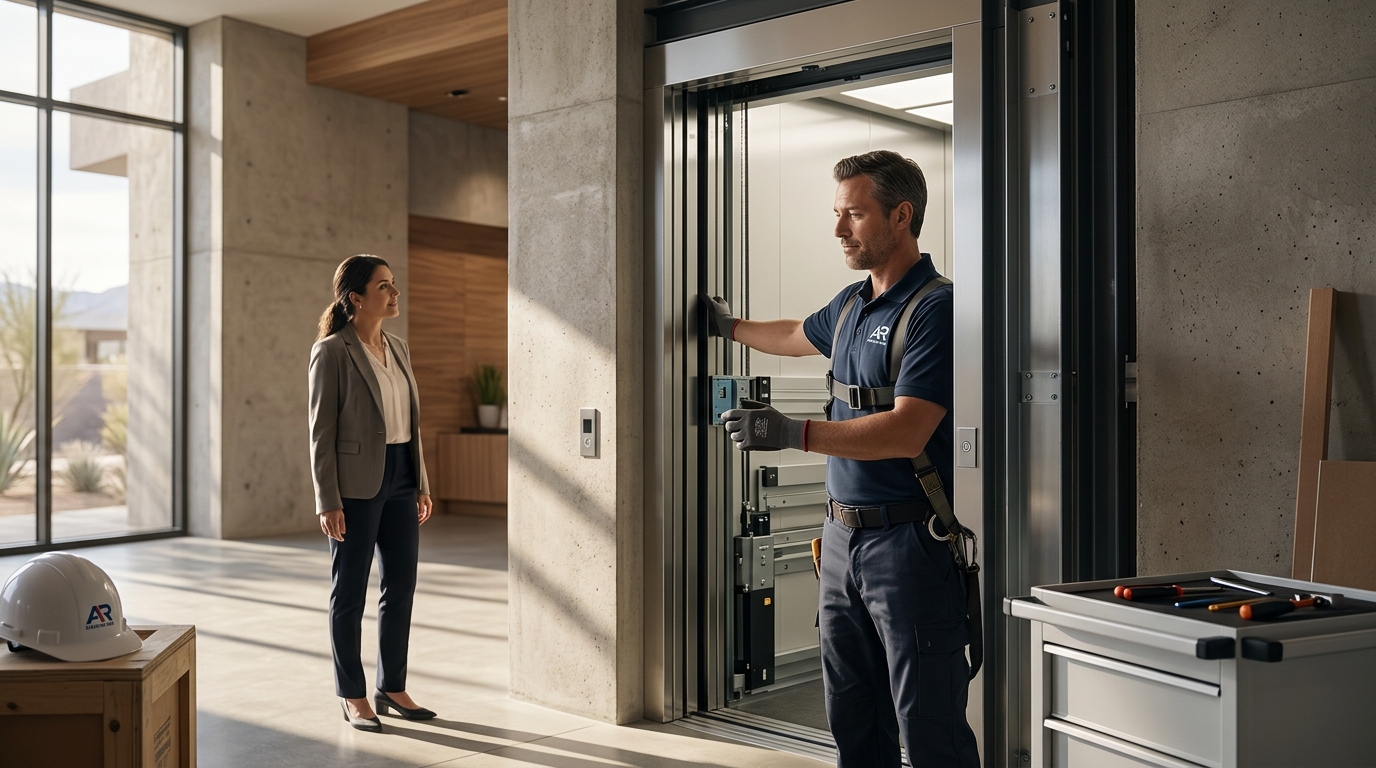
Vertical transportation is no longer a luxury reserved for skyscrapers. Today, it is a critical infrastructure component for multi-family residential complexes, commercial office buildings, and even high-end private homes. According to recent industry data, the global elevator and escalator market is projected to reach significant valuation milestones by 2030, driven by rapid urbanization and the demand for accessible architecture. For property developers and building owners in Nevada, understanding the complexities of new elevator installation is essential for maximizing property value and ensuring long-term operational safety. (About https arelevatorusa com)
Why Professional Installation Matters
Installing an elevator is one of the most complex mechanical projects a building owner can undertake. It involves precise engineering, heavy machinery, and strict adherence to safety codes. A poorly installed system leads to frequent breakdowns, high maintenance costs, and potential liability issues. AR Elevator USA provides complete turnkey solutions for all elevator types, ensuring that every project is customized from the initial survey through to final commissioning. (Elevator Annual Inspection amp)
Professional installation ensures that the elevator operates smoothly from day one. This includes proper shaft preparation, machine room setup, and electrical integration. By choosing a licensed, full-service partner, you guarantee that your system meets all regulatory requirements for public protection. This approach minimizes downtime during construction and ensures that the elevator is ready for immediate use upon completion. (Elevator Code Compliance Services)
Choosing the Right Elevator Type
Selecting the correct elevator type depends on your building's architecture, traffic patterns, and budget. There is no one-size-fits-all solution. Below is a comparison of the most common elevator types available for new installations.
| Elevator Type | Best For | Key Benefits |
|---|---|---|
| Hydraulic | Low-rise buildings (2-6 floors) | Lower initial cost, reliable, simple mechanics |
| Traction | Mid to high-rise buildings | Energy efficient, faster speeds, smoother ride |
| Machine-Room-Less (MRL) | Buildings with space constraints | Saves space, modern design, energy saving |
| Residential | Private homes | Custom aesthetics, compact footprint, quiet operation |
Hydraulic elevators use a piston to move the car, making them ideal for shorter distances. Traction elevators use cables and counterweights, offering greater efficiency for taller structures. Machine-Room-Less (MRL) systems have gained popularity because they eliminate the need for a separate machine room, allowing for more flexible building designs. For residential applications, custom elevators can be tailored to match interior decor while providing seamless accessibility.
The Installation Process Explained
Understanding the timeline and steps involved in elevator installation helps property owners plan effectively. The process typically begins with a comprehensive site survey and engineering assessment. This initial phase determines the feasibility of the installation and identifies any structural modifications needed.
Phase 1: Planning and Engineering
During the planning phase, engineers evaluate the building's shaft, power requirements, and load capacity. This stage is critical for avoiding costly changes later in the project. AR Elevator USA utilizes cutting-edge design technology to create precise blueprints that align with your building's unique needs.
Phase 2: Construction and Assembly
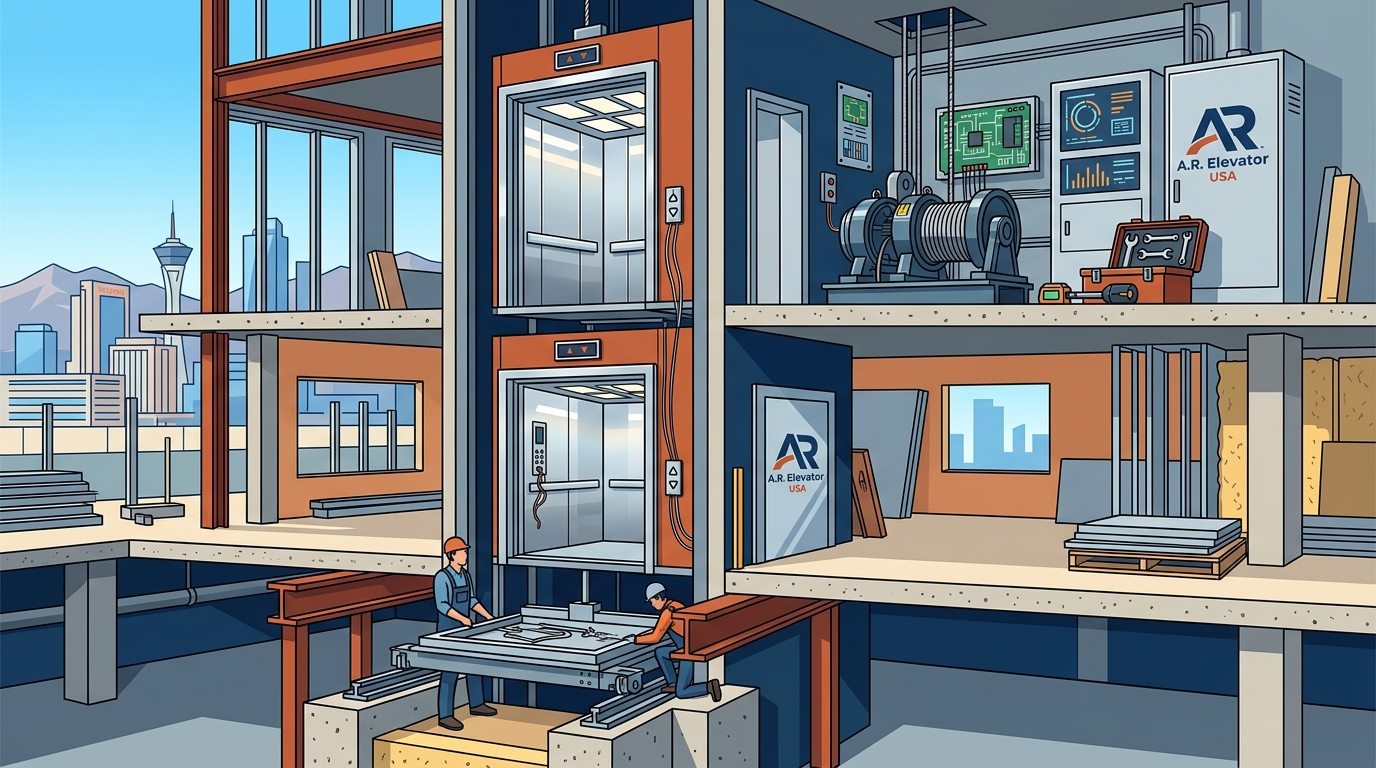
Once the design is approved, the installation team begins the physical work. This includes installing the rails, motor, control systems, and cab components. The process requires coordination with other contractors to ensure that electrical and structural elements are ready. Our team works closely with your construction crew to maintain the project schedule.
Phase 3: Testing and Commissioning
Before the elevator is handed over, it undergoes rigorous testing. This includes safety feature checks, load testing, and performance calibration. Only after passing all inspections is the elevator certified for public use. This final step ensures that the system is safe, reliable, and compliant with all local codes.
Nevada Code Compliance & Safety
Nevada has specific regulations governing elevator installation and safety. These codes are designed to protect occupants and ensure consistent performance across the state. Compliance is not optional; it is a legal requirement for all commercial and multi-family residential buildings.
AR Elevator USA is a leading expert in Nevada state elevator regulations. We ensure that every installation meets or exceeds ASME A17.1, A17.2, and A17.3 standards. These standards cover everything from emergency communication systems to fire service operations. Our professional compliance consultancy services help building owners navigate the complex regulatory landscape with ease.
Failure to comply with these codes can result in heavy fines, forced shutdowns, and increased insurance premiums. By working with a licensed local provider, you avoid these risks. Our team stays updated on the latest regulatory changes, including new MCS 2301 requirements, to ensure your building remains compliant year after year.
Smart Technology Integration
The modern elevator is no longer just a mechanical device; it is a smart, connected system. IoT (Internet of Things) technology allows for real-time monitoring, predictive maintenance, and enhanced user experiences. This shift is transforming how building owners manage vertical transportation.
Our Giga Lift Smart IoT Elevator Services provide intelligent solutions that connect your elevator to a central monitoring platform. This technology enables predictive maintenance, which identifies potential issues before they cause a breakdown. As a result, building owners can achieve 99.5% uptime through proactive care rather than reactive repairs.
Smart elevators also offer improved energy efficiency. By optimizing motor performance and regenerative braking, these systems reduce power consumption significantly. This not only lowers utility bills but also supports green building certifications. For more information on sustainable vertical transportation, explore our Power Efficiency solutions.
Cost Factors & Investment
The cost of a new elevator installation varies based on several factors. These include the type of elevator, the number of floors, the depth of the shaft, and the level of customization required. While the initial investment can be significant, the long-term benefits in property value and operational efficiency often outweigh the costs.
Transparent pricing is a core value at AR Elevator USA. We provide clear, upfront quotes during the planning phase, so there are no surprises. Our pricing model covers design, installation, testing, and initial compliance documentation. We also offer flexible financing options to help manage cash flow.
When evaluating costs, consider the total cost of ownership. A higher-quality installation with smart features may have a higher upfront cost but lower maintenance expenses over time. Conversely, a cheaper, less reliable system may lead to frequent repairs and higher energy bills. Our team helps you make an informed decision based on your specific building needs and budget.
Key Takeaways
- Expertise: AR Elevator USA has over 8 years of local Las Vegas and Henderson experience in elevator modernization and installation.
- Compliance: All installations meet ASME A17.1, A17.2, and A17.3 standards, ensuring full Nevada code compliance.
- Technology: Our Giga Lift IoT services provide real-time monitoring and predictive maintenance for maximum uptime.
- Response Time: We offer a 1-hour response guarantee for 24/7 entrapment emergencies.
- Scope: We serve all elevator types, including hydraulic, traction, MRL, and residential systems.
- Reliability: Our predictive maintenance programs achieve a 99.5% uptime rate for our clients.
- Local Focus: As a family-owned business, we understand the unique climate and regulatory challenges of Southern Nevada.
Frequently Asked Questions
How long does a new elevator installation take?
The timeline varies based on the complexity of the project. Typically, a new installation takes between 8 to 12 weeks from design approval to final commissioning. This includes shaft preparation, equipment delivery, and rigorous testing phases.
Do I need a machine room for a new elevator?
Not necessarily. Machine-Room-Less (MRL) elevators are designed to fit within the shaft itself, eliminating the need for a separate room. This is ideal for buildings with limited space or older structures where adding a machine room is difficult.
What is the difference between hydraulic and traction elevators?
Hydraulic elevators use a piston and are best for low-rise buildings. Traction elevators use cables and counterweights, making them more efficient for mid to high-rise applications. Traction systems also offer faster speeds and a smoother ride.
How do I ensure my new elevator meets Nevada codes?
Work with a licensed local provider who specializes in Nevada regulations. AR Elevator USA provides professional compliance consultancy services to ensure your installation meets all state and federal safety standards.
Can I upgrade my existing elevator to a smart system?
Yes. Many older elevators can be retrofitted with IoT sensors and smart control systems. This modernization improves efficiency, safety, and user experience without requiring a complete replacement.
What maintenance is required after installation?
Regular preventive maintenance is essential. We recommend quarterly inspections and annual comprehensive testing. Our smart monitoring systems can alert you to issues in real time, allowing for proactive repairs.
Is financing available for new elevator projects?
Yes, we offer flexible financing options to help manage the cost of new installations. Contact our team for a detailed quote and financing plan tailored to your budget.
Start Your Project
Ready to enhance your building with a new, safe, and efficient elevator system? AR Elevator USA is here to guide you through every step of the process. From initial design to final commissioning, we deliver on-time results with transparent pricing.
Contact us today to schedule a consultation. Visit our Contact Page or call us at 702-810-2757. Let us help you build a future that stands the test of time.