
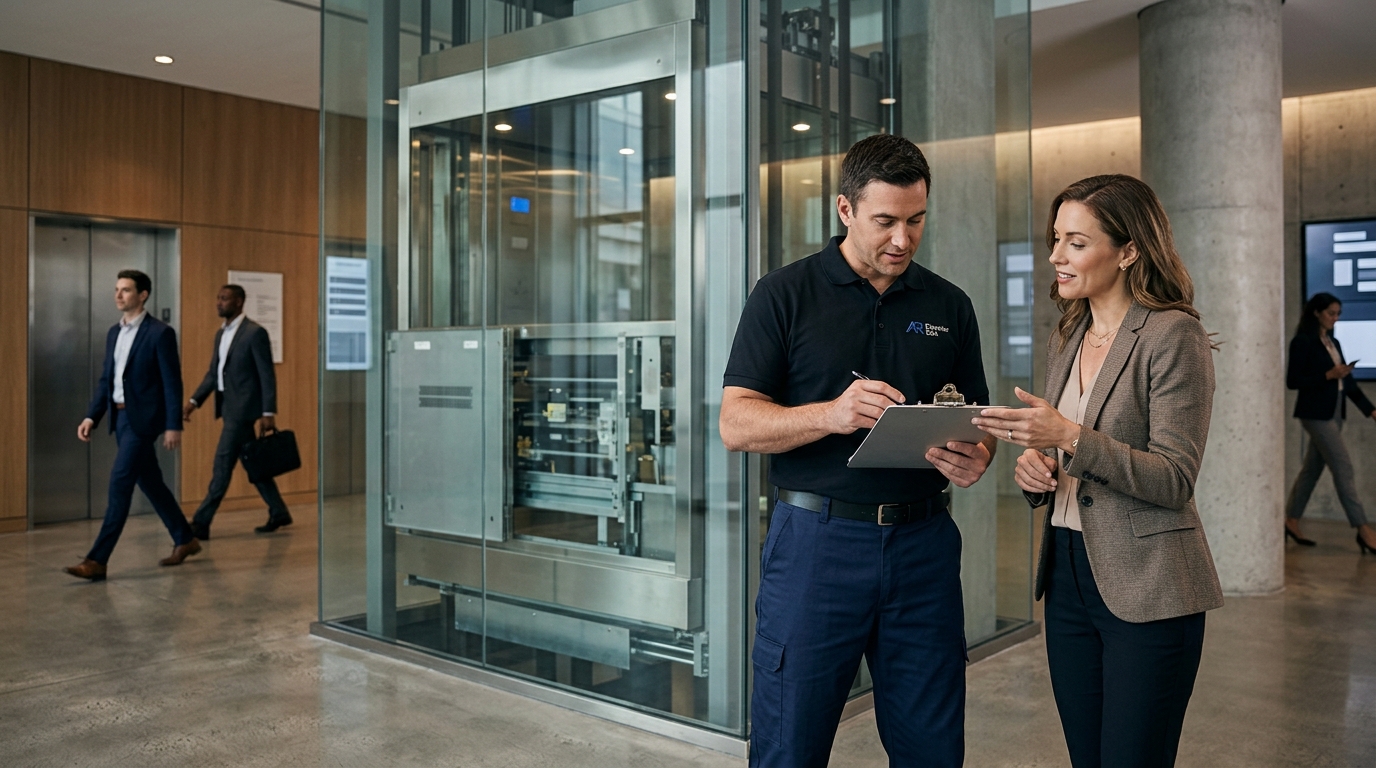
Step-by-Step Preventive Maintenance Plan to Reduce Commercial Elevator Installation Downtime
Commercial building operators face a critical challenge: elevator downtime directly impacts tenant satisfaction and operational revenue. According to industry data, unplanned elevator outages can cost commercial properties thousands of dollars daily in lost productivity and tenant complaints. By implementing a rigorous preventive maintenance strategy, facility managers can significantly reduce these disruptions. This guide outlines a comprehensive, step-by-step approach to minimizing downtime through proactive care, smart technology integration, and strict code compliance. (About https arelevatorusa com)
Understanding the Cost of Downtime
Elevator downtime is not merely an inconvenience; it is a financial liability. When an elevator fails, building operations stall. Tenants cannot access their offices, deliveries are delayed, and emergency services may be hindered. Preventive maintenance is the primary defense against these costly interruptions. Unlike reactive repairs, which address problems after they occur, preventive maintenance identifies potential failures before they cause system breakdowns. This proactive approach ensures that components are replaced or adjusted during scheduled windows, rather than during unexpected emergencies.
For commercial properties in Nevada, where climate conditions can affect mechanical systems, regular maintenance is even more critical. Dust, heat, and humidity can accelerate wear on elevator components. By understanding the specific environmental challenges facing your building, you can tailor your maintenance plan to address these stressors effectively. This targeted approach reduces the likelihood of premature component failure and extends the overall lifespan of your elevator system.
Step 1: Comprehensive System Audit
The first step in reducing downtime is to establish a baseline understanding of your current elevator health. A comprehensive system audit involves a detailed inspection of all elevator components, including motors, brakes, doors, and control systems. This audit should be conducted by certified technicians who can identify wear patterns, corrosion, or potential failure points.
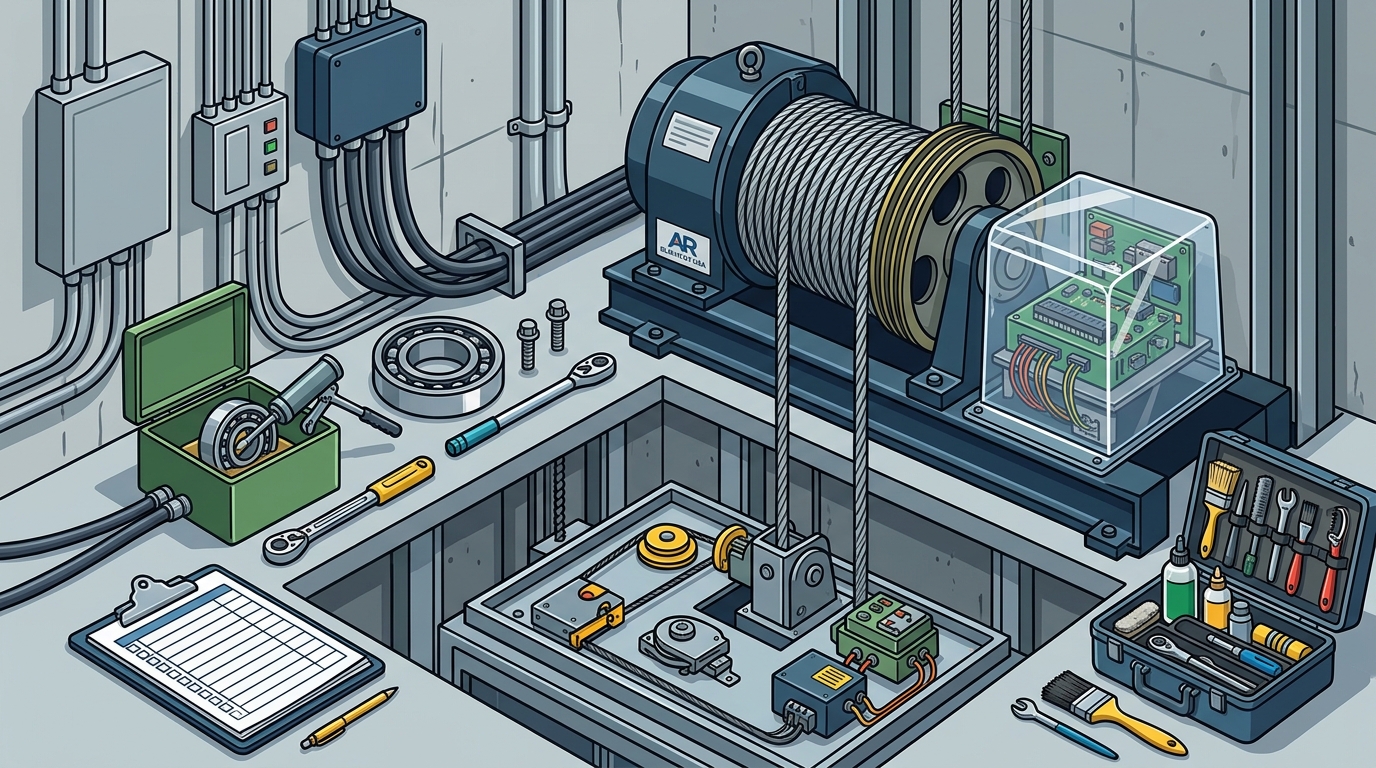
During the audit, technicians should evaluate the age and condition of each component. Older elevators may require more frequent inspections and part replacements. For example, hydraulic elevators may need fluid checks and seal inspections, while traction elevators may require cable tension adjustments and sheave inspections. Identifying these issues early allows for planned interventions rather than emergency repairs.
AR Elevator USA offers comprehensive elevator preventive maintenance services that include thorough inspections of all makes and models. Our certified technicians use advanced diagnostic tools to assess the health of your elevator system, providing a clear roadmap for necessary repairs and upgrades. By starting with a detailed audit, you can prioritize maintenance tasks based on risk and impact, ensuring that critical components receive immediate attention.
Step 2: Customized Maintenance Schedule
Once the audit is complete, the next step is to develop a customized maintenance schedule. This schedule should be tailored to the specific needs of your elevator system, taking into account factors such as usage frequency, building type, and component age. A one-size-fits-all approach is rarely effective; instead, a customized plan ensures that each elevator receives the appropriate level of care.
For high-traffic commercial buildings, more frequent maintenance may be necessary. For instance, elevators in busy office towers may require monthly inspections, while those in lower-traffic residential buildings may only need quarterly checks. The maintenance schedule should include routine tasks such as lubrication, cleaning, and adjustment of mechanical parts, as well as periodic testing of safety features.
AR Elevator USA provides elevator preventive maintenance services that are designed to keep your elevators running smoothly. Our maintenance plans are flexible and can be adjusted based on your building's specific needs. By adhering to a customized schedule, you can prevent minor issues from escalating into major failures, thereby reducing downtime and extending the life of your elevator system.
Step 3: IoT and Smart Monitoring
Technology plays a crucial role in modern elevator maintenance. The integration of Internet of Things (IoT) sensors allows for real-time monitoring of elevator performance. These sensors can detect anomalies in vibration, temperature, and electrical current, alerting maintenance teams to potential issues before they cause a breakdown.
Smart monitoring systems provide predictive maintenance capabilities, using data analytics to forecast when components are likely to fail. This allows facility managers to schedule repairs during off-peak hours, minimizing disruption to building occupants. Predictive maintenance is a game-changer for reducing downtime, as it shifts the focus from reactive repairs to proactive management.
AR Elevator USA offers Giga Lift Smart IoT Elevator Services, which include intelligent elevator solutions, IoT connectivity, and real-time monitoring. Our smart technology enables predictive maintenance, ensuring that your elevators are always operating at peak performance. By leveraging IoT data, you can optimize your maintenance schedule, reduce emergency calls, and enhance tenant satisfaction.
Step 4: Code Compliance and Safety
Compliance with safety codes and regulations is non-negotiable in elevator maintenance. Regular inspections ensure that your elevators meet all local and national safety standards, such as ASME A17.1, A17.2, and A17.3. Non-compliance can result in fines, legal liabilities, and increased risk of accidents.
Annual inspections are required by law in many jurisdictions, including Nevada. These inspections must be conducted by certified professionals who can verify that all safety features are functioning correctly. Additionally, any deficiencies identified during the inspection must be repaired promptly to avoid work permit expiration issues.
AR Elevator USA specializes in elevator code compliance services, providing professional consultancy solutions for Nevada state elevator regulations. Our team ensures that your elevators meet all safety standards, protecting your building from liability and ensuring the safety of your tenants. By staying compliant, you avoid costly fines and ensure that your elevators are safe and reliable.
Step 5: Rapid Response Protocols
Despite the best preventive measures, emergencies can still occur. Having a rapid response protocol in place is essential for minimizing downtime when an unexpected failure happens. This protocol should include clear communication channels, designated response teams, and pre-approved repair procedures.
AR Elevator USA offers 24/7 emergency service with a 1-hour response guarantee. Our rapid response teams are equipped to handle any elevator entrapment or malfunction, ensuring that tenants are rescued quickly and safely. By having a reliable emergency response plan, you can reduce the impact of unexpected downtime and maintain tenant trust.
Key Takeaways
- Proactive Audits: Conduct regular system audits to identify wear and potential failure points before they cause downtime.
- Customized Schedules: Tailor maintenance schedules to the specific needs of each elevator, considering usage and component age.
- IoT Integration: Utilize smart monitoring and predictive maintenance to anticipate and prevent failures.
- Code Compliance: Ensure all elevators meet ASME standards and Nevada regulations to avoid legal and safety issues.
- Rapid Response: Maintain a 24/7 emergency response plan to minimize the impact of unexpected breakdowns.
- Expert Partnership: Work with licensed, full-service elevator partners like AR Elevator USA for comprehensive care.
- Tenant Satisfaction: Reliable elevator service is critical for maintaining high tenant satisfaction and property value.
Frequently Asked Questions
How often should commercial elevators be inspected?
Commercial elevators typically require annual inspections to ensure compliance with safety codes. However, preventive maintenance should be performed more frequently, often monthly or quarterly, depending on usage and building type.
What is predictive maintenance?
Predictive maintenance uses data from IoT sensors to forecast when components are likely to fail, allowing for repairs to be scheduled before a breakdown occurs.
Why is code compliance important for elevators?
Code compliance ensures that elevators meet safety standards, protecting tenants from accidents and avoiding legal liabilities for building owners.
How does AR Elevator USA reduce downtime?
AR Elevator USA reduces downtime through comprehensive preventive maintenance, smart IoT monitoring, and rapid 24/7 emergency response services.
What are the benefits of smart elevator technology?
Smart elevator technology provides real-time monitoring, predictive maintenance alerts, and improved energy efficiency, leading to fewer breakdowns and lower operating costs.
Can AR Elevator USA handle all elevator brands?
Yes, AR Elevator USA provides maintenance and repair services for all elevator types, models, and manufacturers, ensuring compatibility and expertise.
What is the response time for emergency services?
AR Elevator USA offers a 1-hour response guarantee for emergency entrapments and malfunctions, ensuring quick assistance for tenants.
Contact AR Elevator USA for Expert Maintenance
Reduce commercial elevator downtime with a proactive, expert-led preventive maintenance plan. AR Elevator USA provides comprehensive elevator preventive maintenance services, smart IoT monitoring, and 24/7 emergency response to keep your building running smoothly. Contact us today to schedule a consultation and secure your elevator's reliability.
Request a Quote or call us at 702-810-2757 to learn more about our services.