
Avoiding Critical Errors in Smart Elevator IoT Deployments for Office Buildings
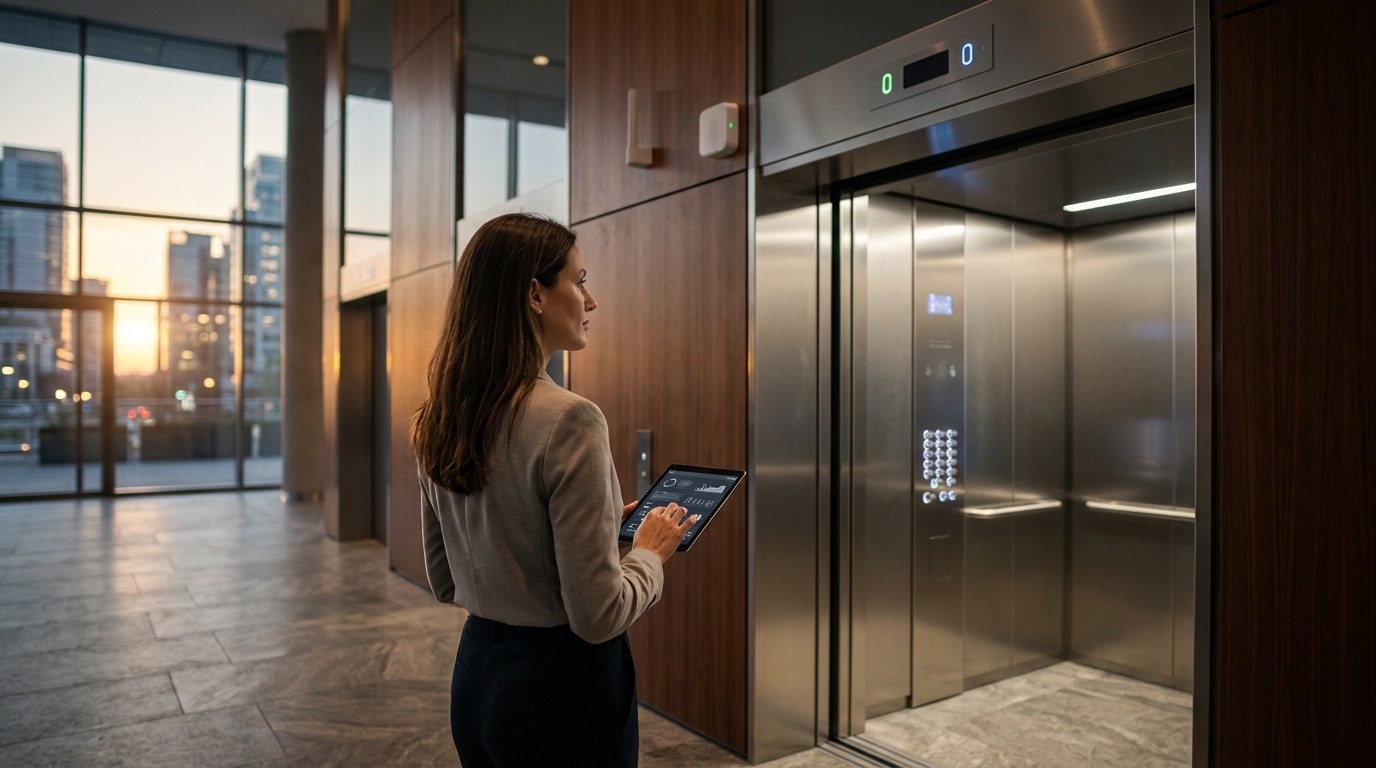
Integrating Internet of Things (IoT) technology into vertical transportation systems is no longer a futuristic concept but a present-day operational necessity. According to energy efficiency reports, smart building technologies can reduce elevator energy consumption by up to 30 percent through predictive maintenance and optimized routing. However, the path to a fully connected elevator ecosystem is fraught with technical and regulatory hurdles. For property managers and facility directors in Nevada and the broader Western region, understanding these pitfalls is essential to maintaining safety, compliance, and tenant satisfaction. (Elevator Annual Inspection amp)
Understanding Smart Elevator Ecosystems
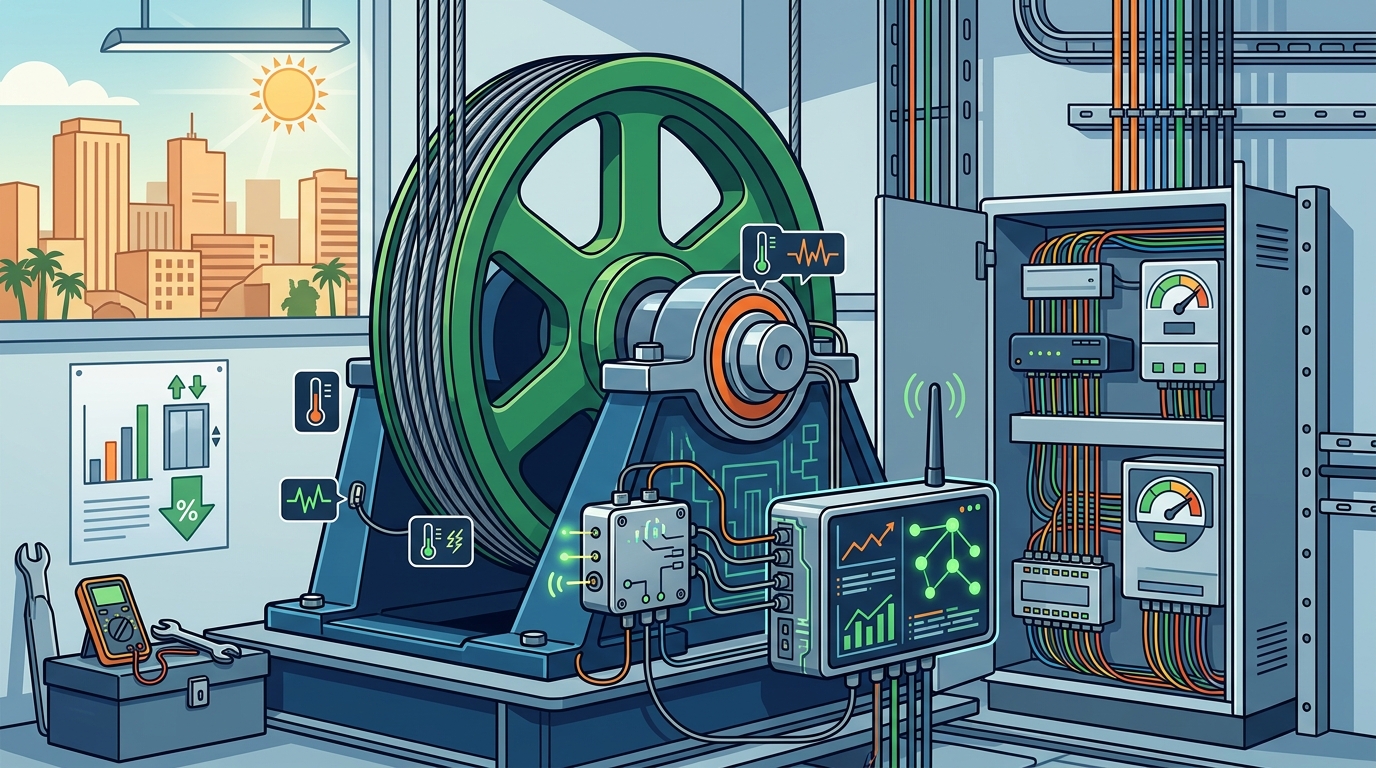
Smart elevator systems rely on a network of sensors, controllers, and cloud-based analytics to monitor performance in real time. This technology transforms traditional mechanical systems into data-driven assets. The core components include vibration sensors for motor health, door operation monitors for safety compliance, and occupancy trackers for energy optimization.
IoT connectivity in elevators allows for predictive maintenance, which shifts the operational model from reactive repairs to proactive care. This shift is critical for office buildings where elevator downtime directly impacts tenant productivity and building reputation. Industry standards from ASHRAE emphasize the importance of integrating vertical transportation data with broader building management systems for holistic energy efficiency.
For building owners, the goal is not just connectivity but actionable intelligence. Data must be translated into clear maintenance schedules and energy-saving strategies. Without a robust data architecture, the investment in IoT hardware yields minimal return on investment.
Common Deployment Pitfalls
Many office buildings fail to realize the full potential of smart elevator technology due to avoidable errors. These mistakes often stem from a lack of technical foresight or an over-reliance on generic solutions that do not account for the unique mechanical realities of vertical transportation.
Ignoring Legacy System Compatibility
One of the most frequent errors is attempting to retrofit IoT sensors onto aging elevator controllers without assessing compatibility. Older hydraulic and traction systems may lack the digital interfaces required for seamless data extraction. Forcing incompatible hardware can lead to signal interference, data loss, or even disruption of the elevator's safety circuits. A thorough audit of existing control panels is mandatory before any hardware installation begins.
Neglecting Cybersecurity Protocols
Connecting critical infrastructure to the internet introduces significant cybersecurity risks. Elevator systems that are not properly secured can become entry points for malicious actors. According to cybersecurity guidelines, industrial control systems must be isolated from general office networks using firewalls and encrypted communication protocols. Failure to implement these measures can compromise not only elevator safety but also the entire building's IT infrastructure.
Overlooking Data Privacy Regulations
Smart elevators often track occupancy and usage patterns. In office environments, this data can inadvertently reveal sensitive information about tenant movements and schedules. Building owners must ensure that data anonymization techniques are employed to comply with privacy laws. Ignoring these regulations can lead to legal liabilities and a loss of tenant trust.
Navigating Nevada Compliance Standards
Compliance is the cornerstone of elevator operations, particularly in states with strict regulatory frameworks like Nevada. Smart elevator deployments must adhere to rigorous safety codes to ensure public protection and operational legality.
ASME A17.1 and A17.3 Standards
The American Society of Mechanical Engineers (ASME) sets the national safety code for elevators and escalators. ASME A17.1 standards dictate the installation, inspection, and maintenance requirements for all elevator types. When deploying IoT devices, it is crucial to ensure that the hardware does not interfere with the safety circuits defined in these codes. Any modification to the control system must be reviewed by certified professionals to maintain code compliance.
Nevada State Regulations
Nevada has specific regulations governing elevator safety and inspection. The state requires annual inspections and strict adherence to deficiency repair timelines. Smart elevator systems must be configured to generate reports that align with these regulatory requirements. Automated reporting can streamline the inspection process, but the data must be accurate and tamper-proof to be accepted by state inspectors.
Energy Efficiency Mandates
With growing emphasis on sustainability, Nevada is increasingly focusing on energy efficiency in commercial buildings. Smart elevators that optimize power usage can help building owners meet these mandates. Federal energy efficiency initiatives encourage the adoption of technologies that reduce carbon footprints. Deploying power-efficient elevator systems not only ensures compliance but also enhances the building's marketability.
Choosing the Right Technology Partner
Selecting the right partner for smart elevator deployment is as critical as the technology itself. A knowledgeable partner can navigate the complexities of integration, compliance, and maintenance.
Local Expertise and Responsiveness
For office buildings in Nevada, local expertise is invaluable. A partner with a deep understanding of regional climate challenges and regulatory nuances can provide more effective solutions. AR Elevator USA specializes in serving the Western region with a focus on code compliance and smart technology integration. Their local presence ensures rapid response times for any technical issues that may arise.
Comprehensive Service Offerings
A true partner should offer end-to-end services, from initial assessment to ongoing maintenance. This includes preventive maintenance programs, emergency repair services, and continuous system monitoring. Giga Lift Smart IoT Elevator Services provide intelligent solutions that leverage predictive maintenance to maximize uptime. Such comprehensive support ensures that the elevator system remains reliable and efficient over its lifecycle.
Transparent Pricing and Support
Hidden costs can derail smart elevator projects. It is essential to choose a partner that offers transparent pricing and clear communication. AR Elevator USA is committed to providing upfront pricing and 24/7 responsive support. This transparency builds trust and allows building owners to budget accurately for their smart elevator initiatives.
Technology Comparison for Smart Elevator Deployments
| Feature | Traditional Maintenance | Smart IoT Integration | Predictive Analytics |
|---|---|---|---|
| Response Time | Reactive (After Failure) | Proactive (Real-time Alerts) | Anticipatory (Before Failure) |
| Energy Efficiency | Standard | Optimized (Up to 30% Savings) | Maximized (Dynamic Routing) |
| Compliance Reporting | Manual Documentation | Automated Digital Logs | AI-Driven Insights |
| Uptime Guarantee | Variable | High (99%+) | Maximum (99.5%+) |
Key Takeaways
- Compatibility is Key: Always audit legacy systems before installing IoT sensors to prevent interference.
- Security First: Implement robust cybersecurity measures to protect elevator data and building networks.
- Compliance Matters: Ensure all deployments meet ASME A17.1 and Nevada state regulations.
- Local Expertise: Choose partners with regional knowledge for faster, more effective support.
- Predictive Maintenance: Leverage IoT data to shift from reactive repairs to proactive care.
- Energy Savings: Smart elevators can reduce energy consumption by up to 30 percent.
- Transparent Partnerships: Seek partners who offer clear pricing and 24/7 responsive support.
Frequently Asked Questions
What is the primary benefit of smart elevator IoT for office buildings?
The primary benefit is predictive maintenance, which reduces downtime and extends the lifespan of elevator components by addressing issues before they cause failures.
How does IoT integration affect elevator safety compliance?
IoT integration enhances safety by providing real-time monitoring of safety circuits and door operations, ensuring continuous adherence to ASME and state regulations.
Can smart elevators reduce energy costs?
Yes, smart elevators can reduce energy costs by up to 30 percent through optimized routing, regenerative braking, and idle power management.
What should I look for in a smart elevator technology partner?
Look for a partner with local expertise, comprehensive service offerings, transparent pricing, and a proven track record in code compliance and IoT integration.
Are there cybersecurity risks associated with smart elevators?
Yes, there are risks. It is crucial to implement firewalls, encryption, and network isolation to protect the elevator system from cyber threats.
How often do smart elevators require maintenance?
Smart elevators require less frequent physical maintenance due to predictive analytics, but they need regular software updates and data monitoring to ensure optimal performance.
What is the role of Giga Lift Smart IoT services?
Giga Lift Smart IoT services provide intelligent elevator solutions that leverage IoT connectivity for predictive maintenance, real-time monitoring, and smart building technology integration.
Ready to Optimize Your Elevator Systems?
Avoid the pitfalls of smart elevator deployment by partnering with experts who understand the unique challenges of office buildings in Nevada and the Western region. AR Elevator USA offers comprehensive smart elevator solutions, from initial assessment to ongoing maintenance. Contact us today to schedule a consultation and transform your vertical transportation system into a model of efficiency and safety.