
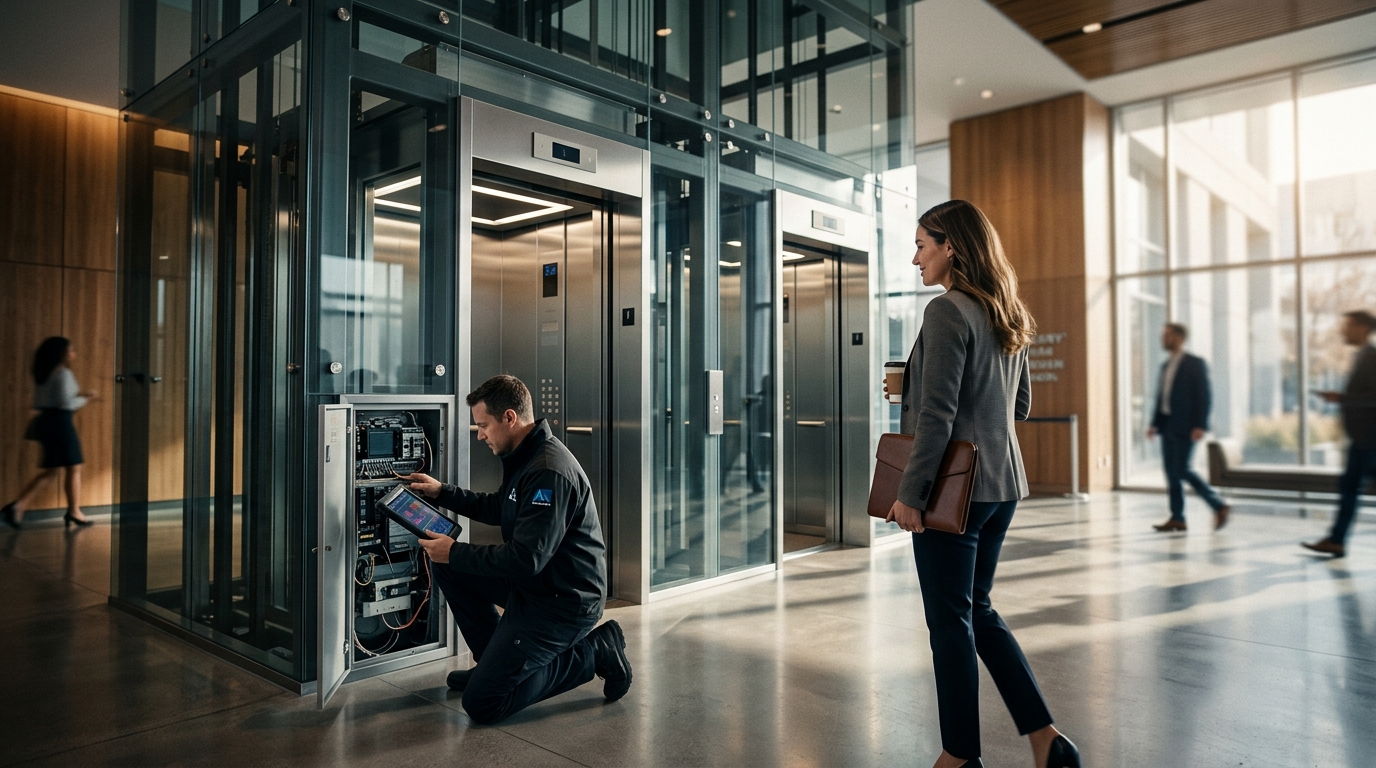
Commercial property managers frequently ask whether modernizing vertical transportation yields measurable operational returns. Recent industry data shows that smart IoT elevator integration reduces unplanned downtime by approximately forty percent across mid-rise commercial complexes. This shift directly impacts tenant retention and facility operating costs. Office buildings require precise scheduling, predictive diagnostics, and seamless building management system integration. Understanding the technical requirements ensures a successful deployment without disrupting daily business operations. (Elevator Code Compliance Services)
Understanding Smart IoT Elevator Systems
Core Technology Components
Smart IoT elevator technology is a networked vertical transportation platform that utilizes continuous data transmission between cabin controllers and centralized building management interfaces. This constant communication enables real-time performance monitoring and automated fault detection. Property managers gain immediate visibility into car positioning, door cycle accuracy, and motor temperature fluctuations. The system automatically generates diagnostic reports that highlight potential mechanical wear before catastrophic failure occurs. Predictive maintenance transforms reactive repair schedules into proactive asset management strategies. Facility directors can allocate budget resources more efficiently when equipment health metrics are visible across multiple floors.
Building Management System Integration
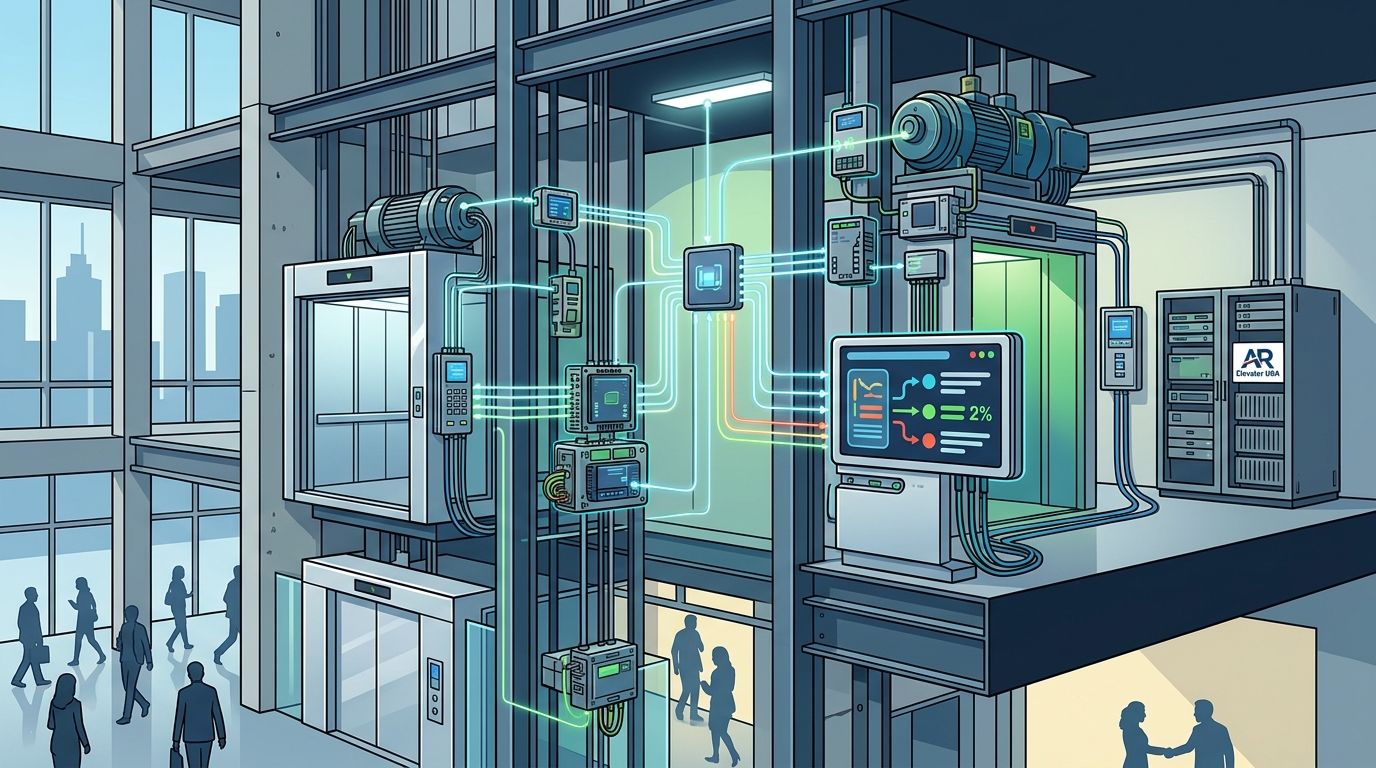
Modern office complexes require vertical transportation networks that communicate directly with HVAC, security, and access control subsystems. Elevator IoT modules utilize standard communication protocols to exchange data with existing building automation controllers. This interoperability allows automated dispatch algorithms to optimize car assignment based on real-time foot traffic patterns. Building operators can program peak-hour routing to minimize wait times during morning rush periods. The resulting efficiency gains directly correlate with improved tenant satisfaction scores and reduced energy consumption across the facility.
Office Building Installation Requirements
Structural and Electrical Readiness
Successful IoT elevator deployment requires specific infrastructure prerequisites within the existing machine room or shaftway. Engineers must verify adequate power distribution capacity to support additional controller hardware and wireless transmission modules. Building owners should schedule a comprehensive site assessment to evaluate cable routing pathways and network switch accessibility. Infrastructure readiness prevents costly project delays during the hardware procurement phase. Our licensed technicians evaluate existing control panels to determine whether direct wiring modifications or wireless gateway installations best suit your facility layout.
Permitting and Regulatory Approvals
Commercial elevator modernization projects require strict adherence to local building codes and state regulatory frameworks. Property managers must submit detailed engineering schematics to municipal review boards before commencing physical modifications. The approval process typically covers fire suppression compatibility, emergency communication protocols, and accessibility compliance standards. Regulatory compliance ensures that all IoT hardware meets mandatory safety thresholds for public occupancy buildings. Our team handles all permit documentation and coordinates directly with local inspection authorities to maintain your project timeline.
Giga Lift Smart IoT Elevator Services
Proprietary Monitoring Architecture
The Giga Lift Smart IoT Elevator Services platform provides a centralized dashboard for tracking fleet-wide performance metrics. Facility administrators receive automated alerts when vibration thresholds exceed predefined safety parameters. The system continuously logs door operator cycle counts and calculates remaining component lifespan based on historical usage data. Building managers can export comprehensive usage reports to justify capital expenditure requests to executive leadership. Centralized monitoring eliminates the need for manual inspection logs and reduces administrative overhead significantly.
Seamless Hardware Deployment
Our installation engineers follow a structured deployment methodology that minimizes disruption to daily office operations. Technicians mount vibration sensors, current transducers, and wireless communication nodes directly onto existing drive assemblies. The hardware configuration requires zero modifications to primary safety circuits or emergency braking mechanisms. Non-invasive hardware deployment preserves existing warranty coverage while enabling advanced diagnostic capabilities. We coordinate all installation activities during off-peak hours to maintain normal business operations throughout the upgrade process.
Code Compliance and Safety Standards
ASME Regulatory Framework
All IoT elevator installations must satisfy ASME A17.1, A17.2, and A17.3 safety codes governing vertical transportation systems. These regulations mandate specific emergency communication requirements, power failure backup protocols, and accessibility compliance benchmarks. Modern IoT controllers integrate directly with existing safety relays to maintain mandatory fail-safe operating parameters. Regulatory alignment guarantees that your upgraded system meets current legal requirements for commercial occupancy. Our certified technicians verify every connection against published safety standards before commissioning the equipment.
Emergency Response Integration
Smart IoT elevator systems must maintain direct communication pathways with building emergency response protocols. The platform automatically triggers emergency notification sequences when diagnostic algorithms detect critical mechanical failures. Facility security teams receive instant alerts containing precise car location data and estimated repair timeframes. Automated emergency routing reduces response times during critical incidents and ensures tenant safety compliance. We integrate your IoT system with our 24/7 emergency service network to guarantee continuous operational support.
Long-Term Maintenance and Efficiency Gains
Preventive Service Optimization
IoT-enabled elevator systems transform traditional maintenance schedules into dynamic, usage-based service intervals. The platform continuously analyzes motor current draw, brake pad wear indicators, and guide rail alignment metrics. Facility managers receive automated service recommendations that align with actual equipment degradation patterns rather than arbitrary calendar dates. Dynamic service scheduling reduces unnecessary technician visits while extending critical component lifespan. Our preventive maintenance programs leverage this data to maximize equipment reliability across your entire property portfolio.
Energy Consumption Reduction
Modern IoT elevator controllers optimize regenerative braking cycles and standby power consumption based on real-time usage patterns. Building operators can program energy-saving modes that automatically adjust lighting, ventilation, and drive motor output during low-traffic periods. The system generates monthly energy consumption reports that highlight efficiency improvements and carbon footprint reductions. Energy optimization algorithms directly translate into lower utility expenses and improved sustainability compliance metrics. Our power efficiency consulting team calculates exact ROI projections before approving any hardware configuration.
System Configuration Options
| Configuration Tier | Hardware Components | Integration Depth | Target Facility Size |
|---|---|---|---|
| Basic Monitoring Package | Vibration sensors and wireless gateways | Standalone dashboard access | Single-car residential or small commercial buildings |
| Advanced Fleet Management | Current transducers and door cycle counters | Building management system API integration | Mid-rise office complexes with multiple cars |
| Enterprise Predictive Platform | Full sensor array and regenerative braking monitors | Executive reporting and automated dispatch routing | High-rise commercial towers and mixed-use developments |
Key Takeaways
- Smart IoT elevator integration reduces unplanned downtime by approximately forty percent across commercial complexes.
- Giga Lift Smart IoT Elevator Services provides centralized dashboard tracking for fleet-wide performance metrics.
- Office building elevator installation requires verified power distribution capacity and network switch accessibility.
- Commercial elevator modernization projects must satisfy ASME A17.1, A17.2, and A17.3 safety codes.
- Our licensed technicians evaluate existing control panels to determine optimal hardware deployment strategies.
- Dynamic service scheduling reduces unnecessary technician visits while extending critical component lifespan.
- Energy optimization algorithms directly translate into lower utility expenses and improved sustainability compliance.
Frequently Asked Questions
What is an IoT elevator system?
An IoT elevator system is a networked vertical transportation platform that utilizes continuous data transmission between cabin controllers and centralized building management interfaces. The architecture enables real-time performance monitoring, automated fault detection, and predictive maintenance scheduling. Facility administrators gain immediate visibility into car positioning, door cycle accuracy, and motor temperature fluctuations. The system automatically generates diagnostic reports that highlight potential mechanical wear before catastrophic failure occurs.
How long does office building elevator installation take?
Commercial elevator modernization projects typically require three to five business days for complete hardware deployment and system calibration. The timeline depends on existing shaftway accessibility, network switch availability, and municipal permit processing speeds. Our licensed technicians coordinate all installation activities during off-peak hours to maintain normal business operations. We provide detailed project schedules that align with your facility maintenance windows and tenant occupancy patterns.
Can IoT systems integrate with legacy elevator controllers?
Modern IoT elevator technology relies on continuous data transmission between cabin controllers and centralized building management platforms. Non-invasive hardware deployment preserves existing warranty coverage while enabling advanced diagnostic capabilities. Our engineers mount vibration sensors, current transducers, and wireless communication nodes directly onto existing drive assemblies. The hardware configuration requires zero modifications to primary safety circuits or emergency braking mechanisms.
What maintenance schedule applies to smart IoT elevators?
IoT-enabled elevator systems transform traditional maintenance schedules into dynamic, usage-based service intervals. The platform continuously analyzes motor current draw, brake pad wear indicators, and guide rail alignment metrics. Facility managers receive automated service recommendations that align with actual equipment degradation patterns. Our preventive maintenance programs leverage this data to maximize equipment reliability across your entire property portfolio.
How does the system handle emergency power failures?
Smart IoT elevator systems must maintain direct communication pathways with building emergency response protocols. The platform automatically triggers emergency notification sequences when diagnostic algorithms detect critical mechanical failures. Facility security teams receive instant alerts containing precise car location data and estimated repair timeframes. We integrate your IoT system with our 24/7 emergency service network to guarantee continuous operational support.
What is the average return on investment for modernization?
Commercial property managers frequently ask whether modernizing vertical transportation yields measurable operational returns. Recent industry data shows that smart IoT elevator integration reduces unplanned downtime by approximately forty percent across mid-rise commercial complexes. This shift directly impacts tenant retention and facility operating costs. Building operators can program energy-saving modes that automatically adjust lighting, ventilation, and drive motor output during low-traffic periods.
Do IoT installations require building management system upgrades?
Modern office complexes require vertical transportation networks that communicate directly with HVAC, security, and access control subsystems. Elevator IoT modules utilize standard communication protocols to exchange data with existing building automation controllers. This interoperability allows automated dispatch algorithms to optimize car assignment based on real-time foot traffic patterns. Building managers can export comprehensive usage reports to justify capital expenditure requests to executive leadership.
Contact Our Team
Ready to modernize your vertical transportation infrastructure? Our licensed engineering team provides comprehensive site assessments, permit coordination, and seamless hardware deployment for commercial properties across Nevada and the Western region. Schedule your facility evaluation today by visiting our contact page or calling our direct line. We deliver code-compliant elevator systems with transparent pricing and 24/7 responsive support. Visit our main portal to explore our complete service portfolio and request a customized project quote. Learn about our team and review our decades of Western regional expertise. Access emergency support whenever critical mechanical failures require immediate attention.