
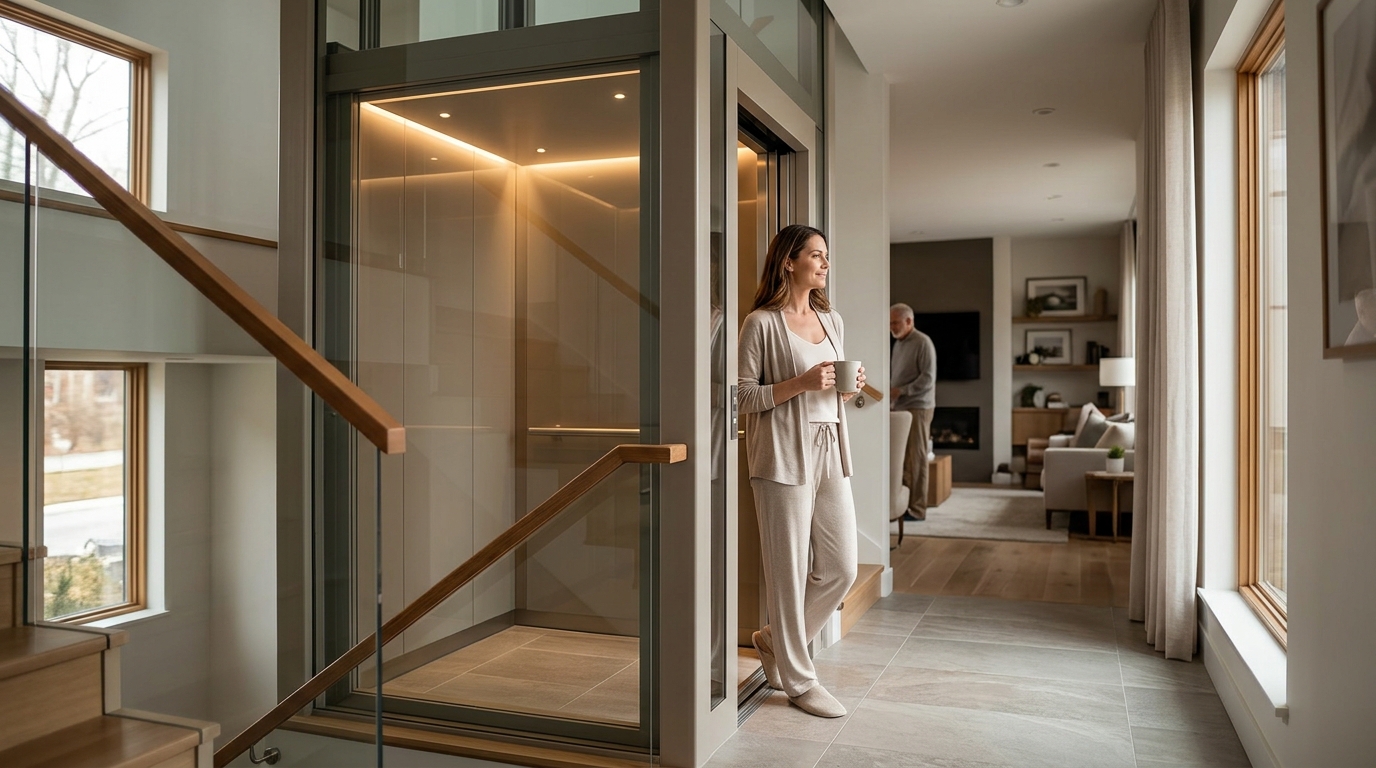
Vertical transportation in private homes has evolved from a luxury niche to a standard accessibility requirement for multi-story living. According to recent industry data, the global residential elevator market is projected to grow significantly through 2026, driven by an aging population and the rise of multi-generational households. This surge in demand highlights the critical need for homeowners to understand the distinct mechanical differences between available systems. Choosing the wrong elevator type can lead to excessive energy consumption, frequent maintenance issues, and costly retrofitting later. This guide explores the primary categories of residential lifts, their operational mechanics, and how modern smart technology is reshaping home vertical transportation. (Contact https arelevatorusa com)
Hydraulic Elevator Systems
Hydraulic elevators remain one of the most common choices for residential installations, particularly in homes with basements or ground-level pits. The fundamental mechanism relies on a piston and cylinder arrangement submerged in the ground or within a dedicated shaft. When the elevator is activated, a pump pushes hydraulic fluid into the cylinder, forcing the piston upward to lift the cab. This system is renowned for its reliability and smooth operation, making it a favorite for older homes where structural modifications are limited.
However, hydraulic systems are not without their drawbacks. They generally require more energy than modern traction alternatives because the pump must work continuously to maintain pressure. Additionally, the risk of hydraulic fluid leaks, though rare with modern seals, remains a consideration for environmentally conscious homeowners. For those prioritizing simplicity and heavy-load capacity, hydraulic lifts offer a robust solution. AR Elevator USA provides comprehensive residential elevator services that include the installation and maintenance of these classic systems, ensuring they remain safe and efficient over decades of use.
Machine-Room-Less (MRL) Traction
Machine-Room-Less (MRL) traction elevators represent the modern standard for new residential construction. Unlike traditional traction elevators that require a separate mechanical room at the top of the shaft, MRL systems house the motor and control gear within the hoistway itself. This design significantly reduces the headroom requirement, allowing for lower ceiling heights and more flexible architectural integration. The elevator cab is suspended by steel ropes or belts connected to a counterweight, which balances the load and reduces the energy needed to move the car.
The efficiency of MRL systems is a major selling point. Because the counterweight offsets much of the cab's weight, the motor only needs to provide enough power to move the difference. This results in lower electricity bills and a smaller environmental footprint. Furthermore, MRL elevators are known for their speed and precision, offering a ride quality that rivals commercial buildings. For homeowners looking to upgrade an existing property, elevator modernization services can often convert older hydraulic systems into sleek, energy-efficient MRL units.
Platform Lifts and VRCs
Not every residential vertical transportation need requires a full-sized elevator cab. Platform lifts and Vertical Reciprocating Conveyors (VRCs) serve specific use cases, particularly for homes with limited space or specific accessibility requirements. A platform lift typically features a flat platform that rises vertically, often used to bridge level changes in homes with split-level designs or for individuals who use wheelchairs but do not require a full elevator enclosure.
These systems are governed by strict safety codes, including ASME B20.1-2018, which ensures safe operation for both passengers and goods. Platform lifts are generally less expensive to install than full elevators but offer a more limited range of motion. They are ideal for accessing a garage from a lower level or moving between two floors without the need for a deep pit. AR Elevator USA specializes in platform lift and VRC services, providing supply, installation, and ongoing maintenance to ensure these critical accessibility tools remain compliant and functional.
Smart IoT and Predictive Maintenance
The integration of Internet of Things (IoT) technology is revolutionizing how residential elevators are monitored and maintained. Smart elevator systems utilize sensors to track performance metrics in real-time, such as motor temperature, vibration patterns, and door cycle counts. This data is transmitted to a central monitoring platform, allowing technicians to predict potential failures before they occur. This shift from reactive to predictive maintenance minimizes downtime and extends the lifespan of the equipment.
For homeowners, this means greater peace of mind and reduced emergency repair calls. If a component begins to show signs of wear, the system alerts the service provider automatically. AR Elevator USA’s Giga Lift Smart IoT Elevator Services leverage this technology to provide intelligent monitoring for both new installations and modernized systems. By adopting smart building technology, homeowners can ensure their vertical transportation is not only safe but also optimized for energy efficiency and longevity.
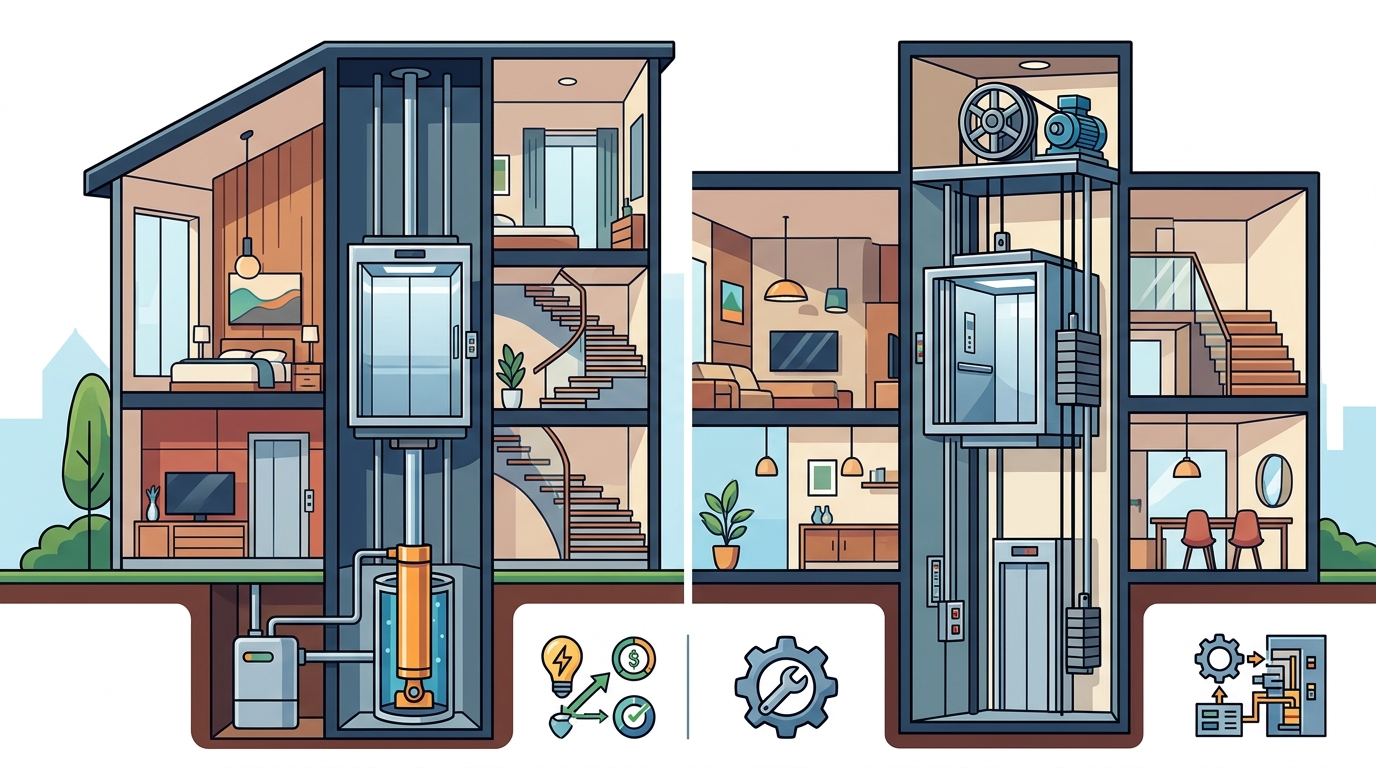
System Comparison Matrix
Understanding the differences between elevator types is crucial for making an informed decision. The following table summarizes the key characteristics of the primary residential elevator categories.
| Elevator Type | Power Source | Space Requirement | Energy Efficiency | Best Use Case |
|---|---|---|---|---|
| Hydraulic | Hydraulic Fluid Pump | Requires Pit | Moderate | Existing homes with basements |
| MRL Traction | Electric Motor & Counterweight | Low Headroom | High | New construction or major remodels |
| Platform Lift | Electric Screw or Hydraulic | Minimal | High | Accessibility between two levels |
| Smart IoT | Varies (Integrated Tech) | Varies | Optimized | Modern monitoring & efficiency |
Key Takeaways
- Hydraulic vs. Traction: Hydraulic systems use fluid pressure and require a pit, while MRL traction systems use motors and counterweights, offering higher energy efficiency.
- Space Constraints: Platform lifts are ideal for homes with limited space or split-level layouts, requiring minimal structural modification.
- Smart Technology: IoT-enabled elevators provide predictive maintenance, reducing emergency repairs and extending equipment life.
- Code Compliance: All residential elevators must meet strict safety standards, including ASME A17.1 and local Nevada regulations.
- Professional Installation: Proper installation by licensed experts is critical for safety and long-term reliability.
- Energy Savings: Modern MRL and smart systems can significantly reduce the energy consumption of vertical transportation.
- Resale Value: Installing a residential elevator can increase property value and accessibility for future buyers.
Frequently Asked Questions
What is the most energy-efficient residential elevator?
Machine-Room-Less (MRL) traction elevators are generally considered the most energy-efficient due to their use of counterweights and regenerative drives that return energy to the grid.
Do I need a basement for a hydraulic elevator?
Yes, hydraulic elevators typically require a pit in the ground or a basement to house the piston and cylinder mechanism.
How often do residential elevators need maintenance?
Regular preventive maintenance is recommended every six months to ensure safety and compliance with ASME standards.
Can I install an elevator in an existing home?
Yes, many residential elevators, including platform lifts and compact MRL systems, are designed for retrofitting into existing structures.
What is the difference between a VRC and a residential elevator?
A Vertical Reciprocating Conveyor (VRC) is primarily designed for goods and freight, while a residential elevator is designed for passenger comfort and accessibility.
Are smart elevators worth the investment?
Smart elevators with IoT monitoring can reduce long-term maintenance costs by predicting failures before they cause downtime.
What safety standards apply to home elevators?
Home elevators must comply with ASME A17.1 safety codes and local building regulations to ensure passenger safety.
Get Your Custom Quote
Choosing the right residential elevator is a significant decision that impacts your home's accessibility, value, and daily comfort. Whether you are considering a hydraulic lift for an existing home or a smart MRL system for new construction, expert guidance is essential. AR Elevator USA offers transparent pricing and comprehensive support for all your vertical transportation needs. Contact us today to schedule a consultation and discover how we can transform your home.